When you’re sourcing precision components for tough industrial use, getting custom drawn aluminum tubes really needs careful attention to technical detail. Unlike standard commercial extrusions, drawn tubing gets an extra cold drawing step that delivers very high dimensional accuracy, stronger mechanical performance, and a clean surface finish. But since these tubes are built for tight tolerances in sensitive situations —think automotive heat exchangers and aerospace hydraulic systems— sending an incomplete Request for Quotation (RFQ) can cause serious delays and operational bottlenecks.
Incomplete specifications very often lead to prolonged quoting cycles, costly manufacturing mistakes, misaligned mechanical behavior, and severe delivery delays. This sort of full guide explains the exact technical and commercial parameters that engineers, procurement specialists, and OEM manufacturers really should provide when ordering drawn aluminum tubes, so that production gets streamlined, those ambiguities get eliminated, and the best possible product performance is guaranteed.
Why Should You Provide Accurate Specifications?
Providing a complete, exhaustive technical package when ordering precision drawn aluminum tubing isn’t just an administrative thing; it is a core engineering safeguard, and it really can directly steer project success across multiple angles and tradeoffs:
- Reduce quotation time: Suppliers can calculate material costs, tooling requirements, and production run-times immediately without needing multiple rounds of technical clarifications.
- Avoid production errors: Explicit parameters eliminate guesswork on the shop floor, ensuring that the cold-drawing dies, tooling mandrels, and drawing speeds are calibrated correctly from the outset.
- Improve manufacturing efficiency: Clear tolerances and alloy selections allow manufacturers to optimize processing routes, minimizing scrap rates and machine downtime.
- Ensure compatibility with your application: Matching the exact metallurgical and mechanical properties to the end-use environment prevents premature structural failure, corrosion, or thermal inefficiency.
- Minimize quality disputes and delivery delays: Establishing mutually agreed-upon technical standards and inspection criteria upfront prevents contractual disputes and ensures seamless project execution.
Specify the Aluminum Alloy
The foundation of any aluminum tube specification is the selection of the correct aluminum tube alloy. Different alloys offer vastly different mechanical properties, corrosion resistance, and formability characteristics.
Common Alloys
- 1050 / 1060 / 1070: Commercially pure aluminum grades offering excellent corrosion resistance, high thermal and electrical conductivity, and outstanding workability, though with lower mechanical strength.
- 3003 / 3103: Manganese-modified alloys providing moderate strength combined with excellent corrosion resistance and workability, widely utilized in heat exchangers and general fluid transport.
- 5052: A magnesium alloy delivering high fatigue strength, exceptional corrosion resistance (particularly in marine environments), and good weldability.
- 6061: A versatile heat-treatable alloy offering high structural strength, excellent corrosion resistance, and good machinability, ideal for structural and hydraulic applications.
- 6063: The premier extrusion and drawing alloy, known for yielding an excellent surface finish, high corrosion resistance, and moderate-to-high strength, extensively used in architectural and industrial components.
How Does Alloy Affect Performance?
When choosing an alloy, engineers must balance multiple competing performance criteria: strength, corrosion resistance, thermal conductivity, weldability, and formability. For instance, while 6061 provides superior structural load-bearing capacity, 1050 or 3003 is vastly superior for thermal management applications requiring high heat transfer efficiency.
Provide Tube Dimensions
Precision drawn tubing requires exact dimensional definitions. Vague dimensional calls invariably lead to manufacturing failure. Buyers must clearly specify:
- Outside Diameter (OD): The external boundary dimension of the tube.
- Inside Diameter (ID): The internal bore dimension, critical for fluid flow calculations and internal mandrel fitting.
- Wall Thickness: The radial distance between the OD and ID, which dictates pressure rating and structural rigidity.
- Tube Length: Specify whether the tubes are required in fixed length, random length, or coil length (if applicable).
- Unit of Measurement: Always explicitly state whether dimensions are expressed in metric (millimeters) or imperial (inches) to prevent catastrophic conversion errors.
Define Tolerance Requirements
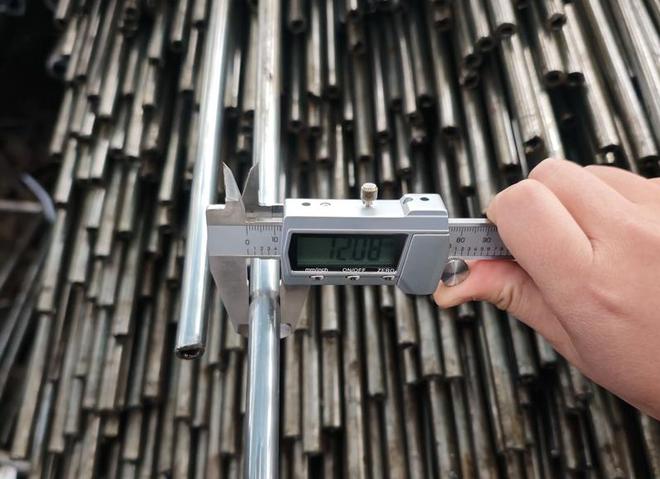
The primary advantage of precision drawn aluminum tubing over extruded alternatives is its tight dimensional control. To achieve this, buyers must explicitly define their aluminum tube tolerance requirements across multiple parameters:
- OD tolerance and ID tolerance: Controlling outer and inner diameters to tight fractions of a millimeter.
- Wall tolerance: Ensuring uniform wall thickness around the circumference to prevent localized weak points.
- Straightness: Maximum allowable deviation per unit length, critical for automated assembly or high-speed rotating machinery.
- Roundness (Ovality): Limiting cross-sectional distortion.
- Concentricity: Ensuring uniform wall distribution between the inner and outer diameters.
- Length tolerance: Permissible cutting variations.
Note that specifying unnecessarily tight tolerances across all parameters will significantly increase manufacturing costs due to increased tooling wear and slower drawing speeds. Define tight tolerances only where functionally necessary.
Choose the Required Temper
The thermal-mechanical history of the tube, designated by its temper, dictates its physical behavior during subsequent fabrication. Common tempers include:
- O (Annealed): Fully softened condition offering maximum ductility for severe bending and forming operations.
- H14 / H16 / H18 (Strain Hardened): Work-hardened tempers providing progressively higher tensile strength and reduced ductility.
- T4 / T5 / T6 (Heat Treated): Solution heat-treated and artificially aged tempers (common in 6000-series alloys) providing maximum structural strength and hardness.
Choosing the correct temper ensures that the tube can withstand secondary operations such as bending, flaring, or machining without cracking or springing back excessively.
Specify Surface Finish
Clearly communicate aesthetic and functional surface requirements. Standard options from a reputable aluminum tube supplier include:
- Mill finish: As-drawn surface with standard lubrication residues.
- Bright finish: Chemically or mechanically brightened surface for decorative or optical uses.
- Polished / Brushed: Mechanical surface texturing for architectural or visible consumer goods.
- Anodized: Electrochemical oxide coating providing enhanced corrosion resistance and color options.
- Powder-coated: Organic polymer coating for superior environmental protection.
For high-precision applications, specify maximum acceptable surface roughness (Ra) limits, scratch limits, and specific cosmetic requirements for visible surfaces.
Describe the Tube Shape
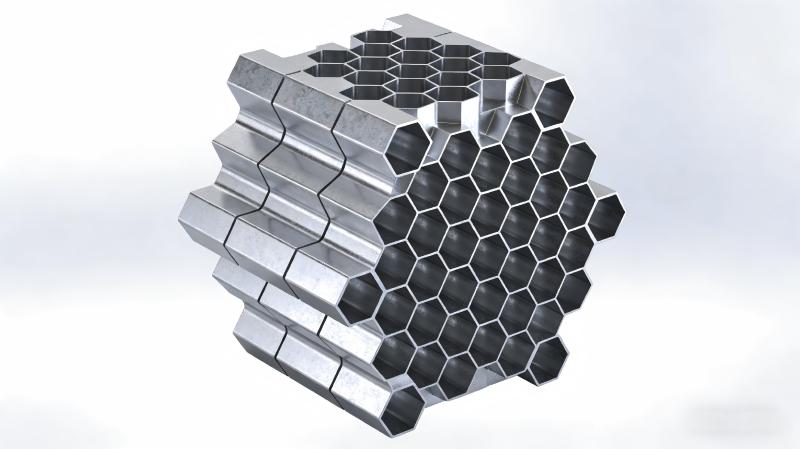
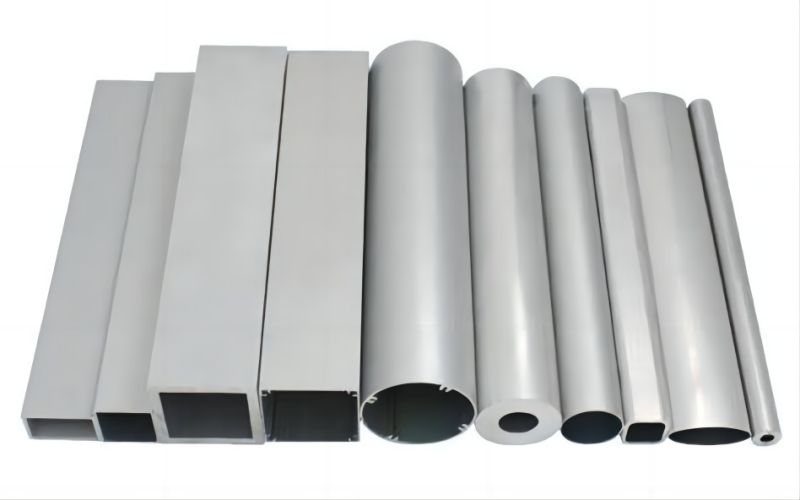
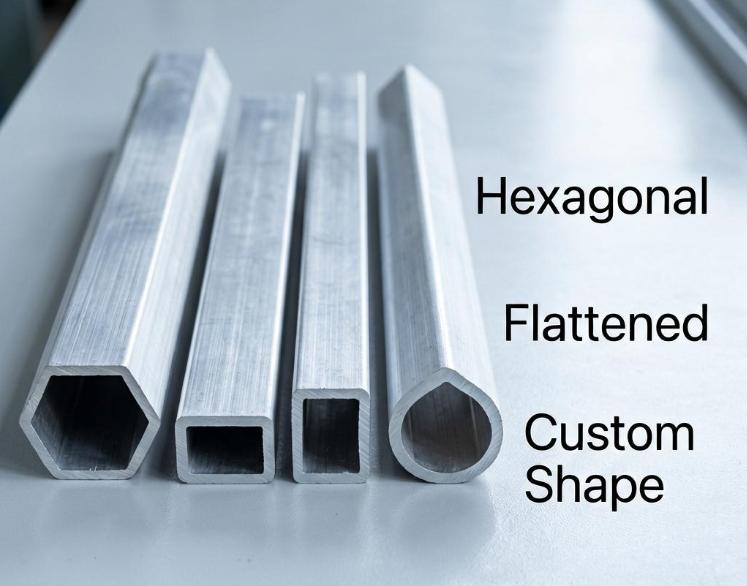
While standard round tubing is most common, advanced applications frequently require custom-drawn aluminum tube geometries. Available profiles include:
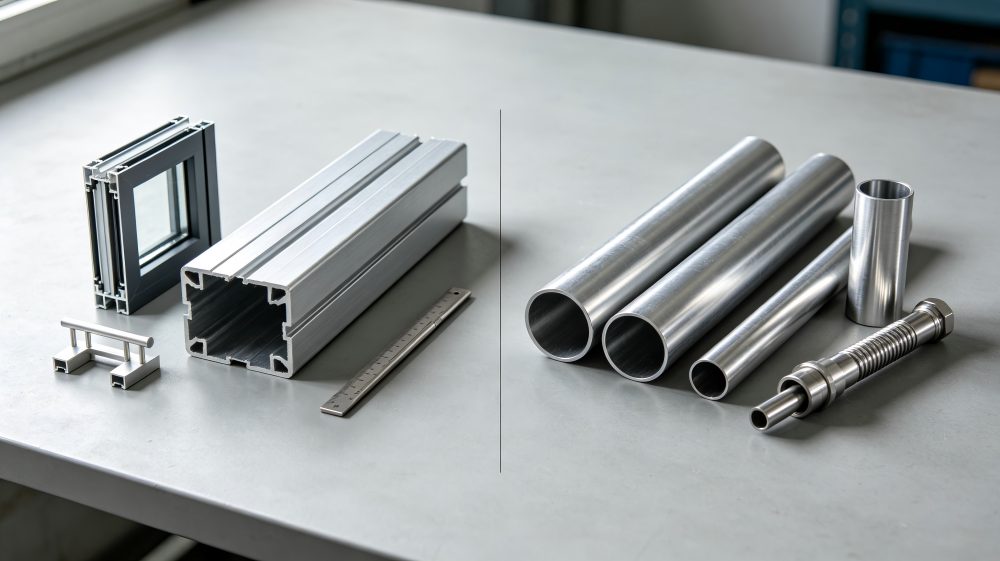
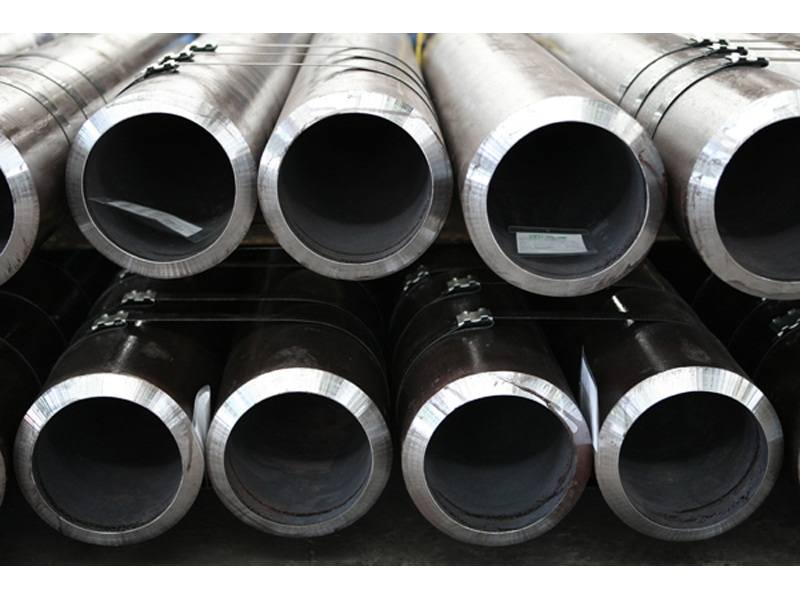
- Round, Square, Rectangular, and Oval geometric profiles.
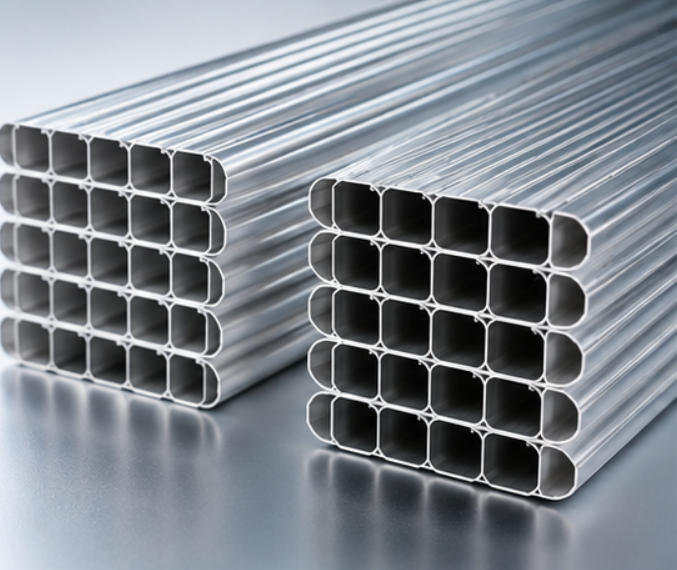
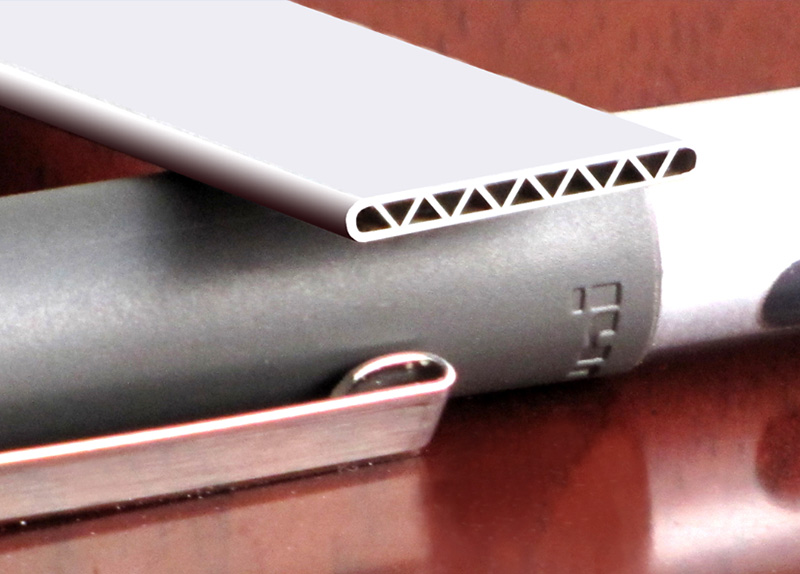
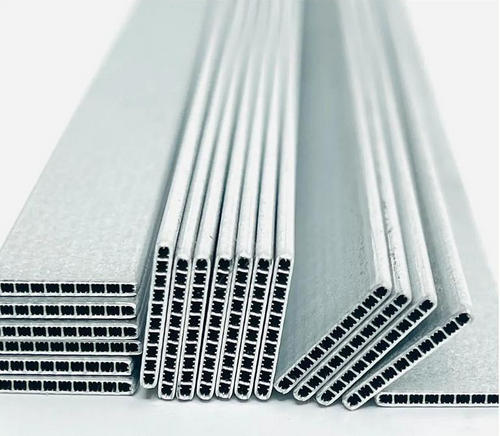
- Flat oval and Multi-port extrusions (micro-channel tubes for advanced heat exchangers).
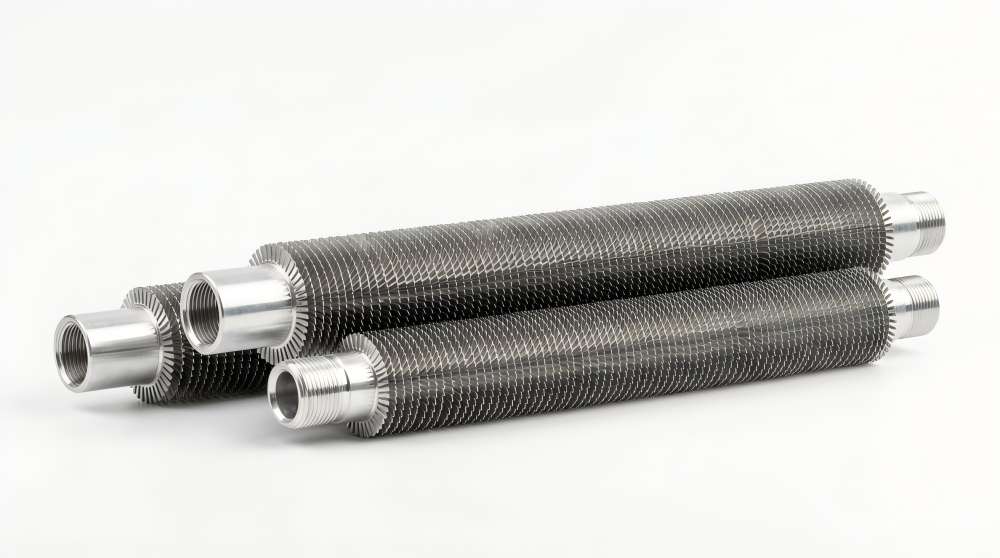
- Inner grooved tubes designed to maximize internal surface area and turbulence for enhanced thermal exchange.
- Capillary tubes with extremely small internal diameters.
- Customized profiles engineered specifically for proprietary OEM assemblies.
Explain the Application
Explanation of the end-use application specific to a market need (e.g. automotive heat exchanger, HVAC air conditioner condenser, evaporator, battery cooling plate, medical device, hydraulic system, furniture frame, or aerospace component) helps the experienced manufacturer select the best alloy (temper) and the best manufacturing process you may never have considered.
State Mechanical Property Requirements
For structural and pressure-containment applications, basic alloy and temper designations may need to be supplemented by guaranteed mechanical property thresholds, including:
- Tensile strength and Yield strength.
- Elongation percentage (measuring ductility).
- Hardness (Brinell or Rockwell).
- Burst pressure and fatigue resistance for fluid-carrying conduits.
Specify Quality Standards
Ensure your quality expectations align with internationally recognized manufacturing standards such as ASTM, EN, GB, or JIS. Additionally, specify mandatory inspection protocols, such as:
- Dimensional verification and visual inspection.
- Eddy current testing for internal and external surface flaws.
- Pressure testing or airtightness tests for fluid-conveying tubes.
- Chemical composition analysis (Mill Test Certificates / MTC).
- Mechanical property destructive testing.
Quantity and Packaging Requirements
Commercial clarity ensures predictable pricing and logistics. Always define:
- Annual demand, trial order quantity, MOQ (Minimum Order Quantity), and batch size.
- Delivery schedule (blanket orders vs. single shipments).
- Packaging options: Wooden cases, reinforced cartons, individual plastic sleeves, interleaving paper to prevent scratching, and robust anti-corrosion protection suitable for international ocean or air freight.
Provide Drawings or CAD Files
A picture is worth a thousand words. Engineering drawings eliminate ambiguity. Recommended file formats include PDF for dimensional markups, alongside native 3D and 2D CAD formats such as DWG, DXF, and STEP models.
Mention Secondary Processing Requirements
If your manufacturing workflow requires the tube supplier to deliver a component ready for final assembly, detail all required secondary operations:
- CNC machining, precision cutting, and deburring.
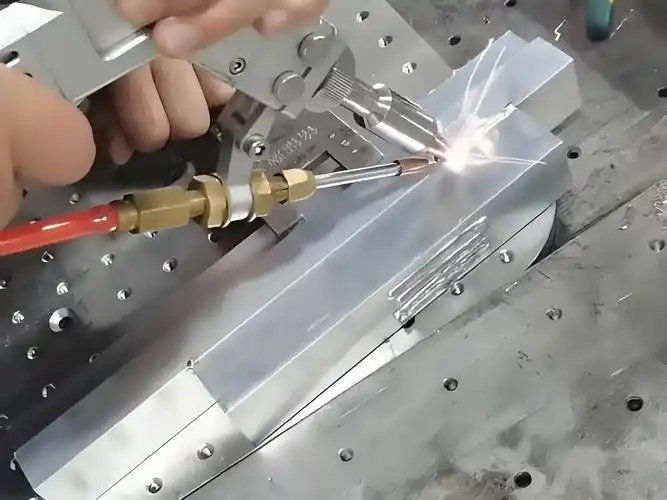
- Bending, drilling, threading, and welding preparation.
- End-forming operations including flaring, swaging, and tube expansion.
Share Your Project Timeline
Transparency regarding your project schedule—including RFQ date, sample requirement, prototype schedule, mass production schedule, and hard required delivery date—enables the supplier to reserve production capacity and manage raw material procurement effectively.
Common Mistakes Buyers Make
Avoiding typical procurement pitfalls saves time and capital. Frequent errors include:
- Only providing OD: Forgetting that wall thickness and ID are equally critical to determine internal volume and structural integrity.
- Forgetting tolerance requirements: Assuming standard commercial tolerances will suffice for high-precision OEM assemblies.
- No alloy or temper specified: Leaving metallurgical properties to chance.
- Ignoring packaging requirements: Resulting in transit damage and scratched surfaces upon arrival.
- Providing unclear or outdated drawings: Leading to mismatched tooling and scrapped production runs.
Why Work with an Experienced Drawn Aluminum Tube Manufacturer?
Partnering with an established, expert OEM aluminum tube manufacturer changes the game for your supply chain. A proven supplier provides engineering help from idea prototype to executed full-scale production runs. They help plan and engineer the best possible material solutions. Generally improve manufacturing, recommend inexpensive but reasonable tolerances, provide high assurances of quality, and provide batch-to-batch consistency.
Frequently Asked Questions
1. What tolerances can precision drawn aluminum tubes achieve?
Precision cold drawing can achieve outer diameter tolerances within ±0.05 mm to ±0.10 mm, depending on tube size and alloy hardness.
2. Can I purchase custom-shaped drawn aluminum tubes?
Absolutely. Advanced manufacturers specialize in offering tailored profiles such as square, rectangular, oval, inner grooved, and multiport micro channel geometries.
3. What surface finishes are available for drawn aluminum tubes?
A range of surface finishes from standard mill finish to bright polished, brushed, anodized, and powder-coated surfaces tailored specifically to functional or aesthetic demands is available for drawn aluminum tubes.