In engineering and component manufacturing today, the right seamless aluminium tube alloy is often more important than the dimensional sizing alone. The outer diameter, inner diameter and wall thickness define the spatial fit and structural envelope, but the actual behaviour of the material under service stresses in the real world is determined by the underlying alloy composition and heat treatment condition.
Selecting the wrong alloy could lead to premature catastrophic failure by stress corrosion cracking, lack of pressure containment, excessive weight or structural degradation in corrosive situations. Different alloy series define essential performance vectors as tensile and yield strength, corrosion resistance, weldability, machinability, thermal conductivity and overall production cost. This all-inclusive engineering and procurement guide is designed to enable design engineers, structural analysts and procurement professionals to quickly and accurately evaluate, select and specify the best seamless aluminium tube material for aerospace, automotive, hydraulic, marine and industrial applications.
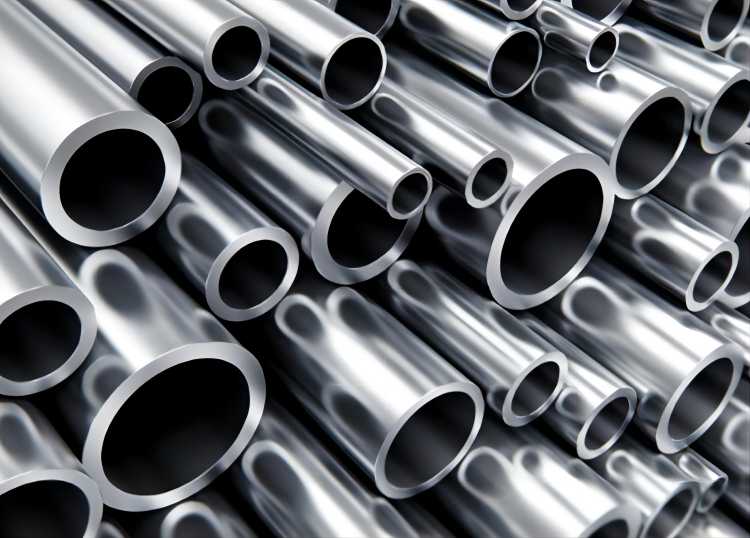
The Importance of Selecting the Correct Alloy for Seamless Aluminium Tube
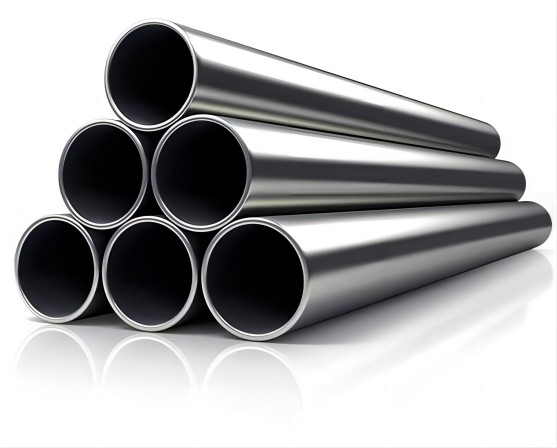
Seamless aluminium tubes are produced by hot extrusion or cold drawing, and have no longitudinal welded seam, avoiding the inherent weaknesses of a weld seam and being excellent for high-pressure fluid transmission, structural load-bearing frames, and important aerospace components. But the raw alloy chemistry fundamentally alters the physical and mechanical baseline of speciality tubing:
- Mechanical Strength: The maximum external load or internal pressure the tube can withstand without permanent plastic deformation or rupture.
- Fatigue Resistance: Critical for applications subject to cyclic loads, such as automotive suspension links, aircraft hydraulic lines and rotating machinery.
- Corrosion Resistance: Tests for intergranular corrosion, exfoliation, pitting and stress corrosion cracking resistance in harsh environments.
- Thermal and Electrical Conductivity: Key for heat exchangers, electrical bus tubing, and thermal management loops.
- Pressure Capacity: Calculated directly from the alloy’s yield strength, outer diameter, and wall thickness based on ASME and ASTM pressure vessel specifications.
- Formability & Weldability: Affects secondary manufacturing operations including bending, flaring, swaging and TIG/MIG welding.
Understanding Aluminum Alloy Series
Wrought aluminum alloys are categorized into a four-digit numerical system managed by the Aluminum Association, spanning from the 1000 to 7000 series, each possessing distinct metallurgical attributes:
| Series | Main Alloying Element | Core Characteristics | Typical Applications |
| 1000 Series | Pure Aluminum (≥99%) | Exceptional electrical and thermal conductivity, high corrosion resistance, very low mechanical strength. | Electrical bus bars, chemical equipment, reflective foils. |
| 2000 Series | Copper (Cu) | Very high strength-to-weight ratio, heat-treatable, lower corrosion resistance, requires protective cladding or anodizing. | Aircraft structural frames, missile components, heavy-duty structural fittings. |
| 3000 Series | Manganese (Mn) | Moderate strength, excellent workability and corrosion resistance, non-heat-treatable. | Heat exchangers, chemical storage, general sheet metal fabrication. |
| 5000 Series | Magnesium (Mg) | Superior marine corrosion resistance, good weldability, moderate to high strength, non-heat-treatable. | Shipbuilding hulls, cryogenic vessels, fuel lines, architectural structures. |
| 6000 Series | Magnesium & Silicon (Mg + Si) | Best overall balance of strength, formability, weldability, and corrosion resistance; heat-treatable. | General engineering, automotive frames, hydraulic fluid lines, robotics, structural scaffolding. |
| 7000 Series | Zinc (Zn) | Highest mechanical strength among all aluminum alloys, comparable to structural steels, heat-treatable. | Aerospace spars, defense hardware, high-stress landing gear, competitive athletic equipment. |
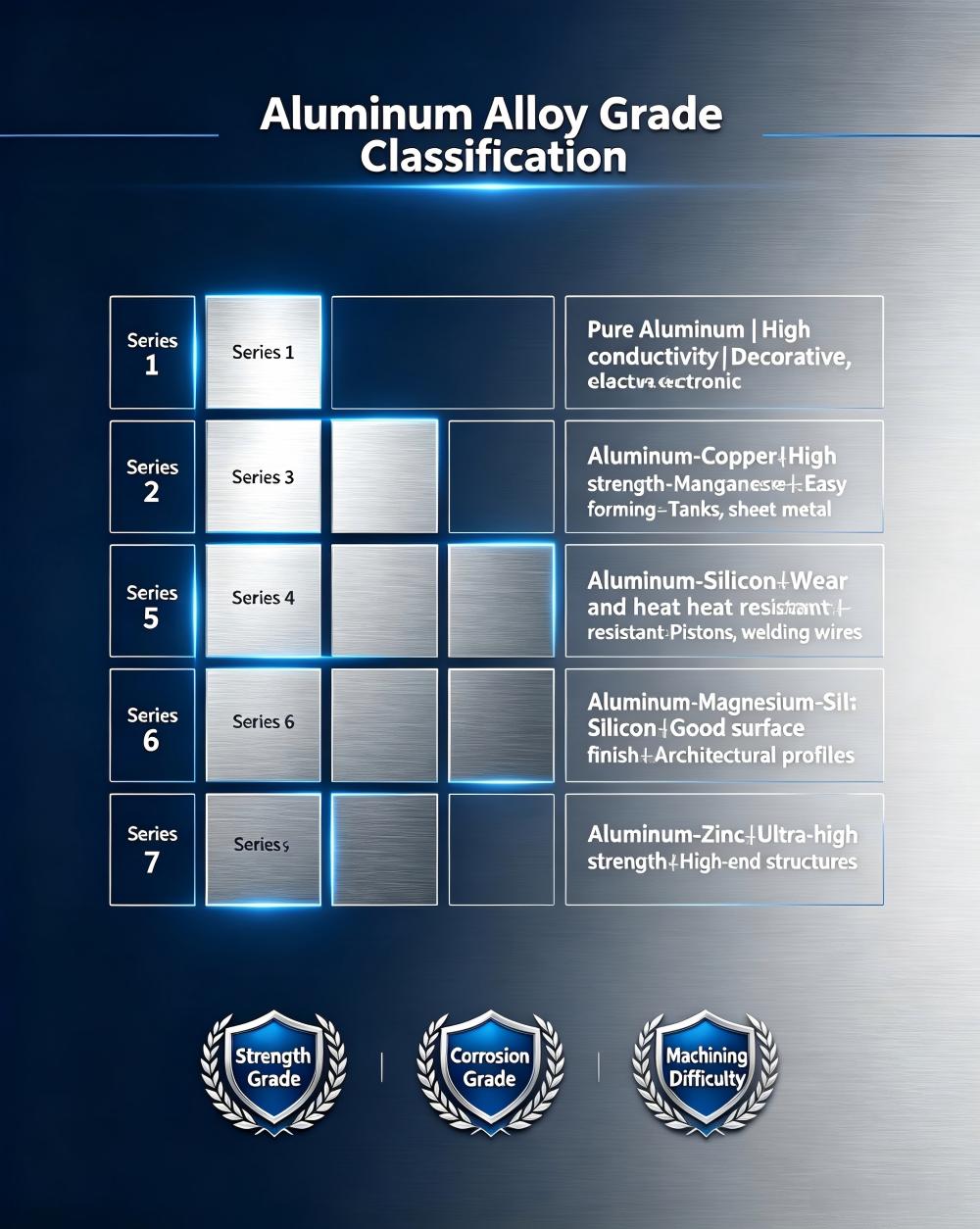
Most used seamless aluminium tube alloys comparison
Industry standards for engineering components are certain grades of seamless aluminium tubing, due to their best combination of material properties:
- 2000 Series (e.g., Alloy 2024): Offers exceptional fatigue resistance and ultra-high strength, making it indispensable in aerospace engineering. However, its poor corrosion resistance and low weldability necessitate careful protective coating strategies and mechanical fastening instead of fusion welding.
- 5000 Series (e.g., Alloys 5052 and 5083): The absolute benchmark for marine and saltwater environments. Alloy 5052 provides excellent formability and moderate strength for general sheet and tube fabrication, while Alloy 5083 delivers exceptional weldability and high strength for welded marine structures and cryogenic tanks.
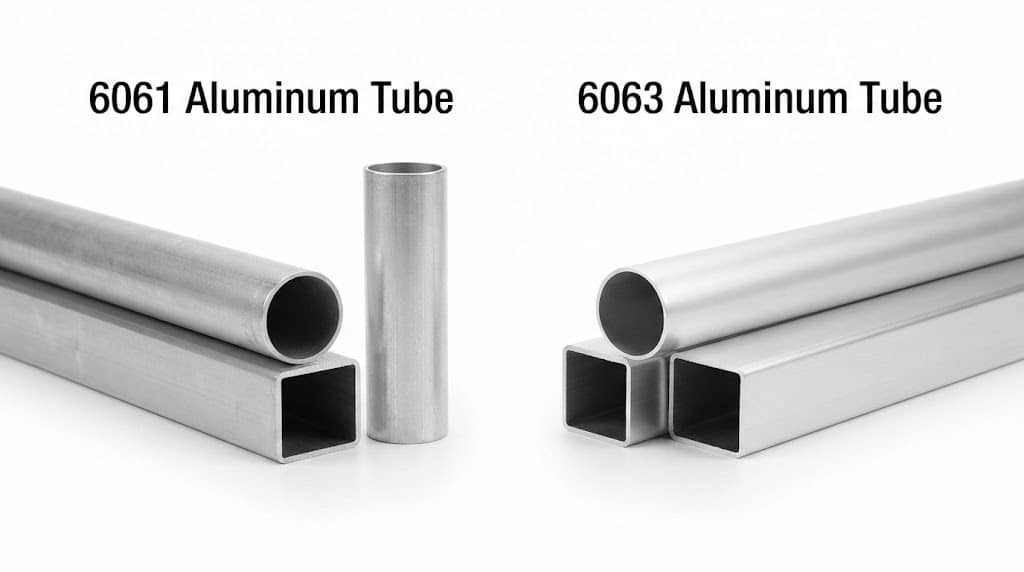
- 6000 Series (e.g., Alloys 6061 and 6063): The undisputed workhorses of structural engineering. 6061 seamless aluminum tube (typically in the T6 temper) provides high strength, excellent machinability, and good corrosion resistance, serving as the gold standard for structural framing, automotive chassis components, and industrial automation. Conversely, 6063 seamless aluminum tube prioritizes superior surface finishing, excellent extrudability, and moderate strength, making it the preferred choice for architectural frames, decorative trim, and fluid distribution tubes.
- 7000 Series (e.g., Alloy 7075): The peak of aluminum alloy strength. 7075 aluminum tube is heavily utilized in high-performance aerospace, defense, and structural applications where maximum load capacity under minimal weight constraints is non-negotiable, though it exhibits limited formability and poor weldability.
Mechanical Property Comparison
Quantitative mechanical benchmarks are essential for FEA (Finite Element Analysis) modeling, structural calculations, and pressure containment verification:
| Alloy & Temper | Yield Strength (MPa) | Tensile Strength (MPa) | Elongation (%) | Hardness (Brinell) |
| 2024-T3 | 325 | 470 | 18 | 120 HB |
| 5052-H32 | 193 | 228 | 12 | 60 HB |
| 5083-H116 | 215 | 305 | 15 | 75 HB |
| 6061-T6 | 276 | 310 | 12 | 95 HB |
| 6063-T5 | 145 | 186 | 10 | 60 HB |
| 7075-T6 | 503 | 572 | 11 | 150 HB |
Corrosion Resistance Comparison
Long-term integrity of seamless aluminium tubing is determined by environmental exposure. Aluminium, when exposed to the atmosphere, creates a passivating coating of Al2O3. Alloy additions, however, drastically change the situation:
- Marine Environments: Alloys with high copper (for example, 2024) or high zinc (for example, 7075) content are susceptible to pitting and galvanic corrosion when exposed to sodium chloride (NaCl) and saline mist. Conversely, 5000 series alloys (5052 and 5083) are the standard selection for naval and marine architecture due to the passivating stability of magnesium, which confers high resistance to saltwater corrosion.
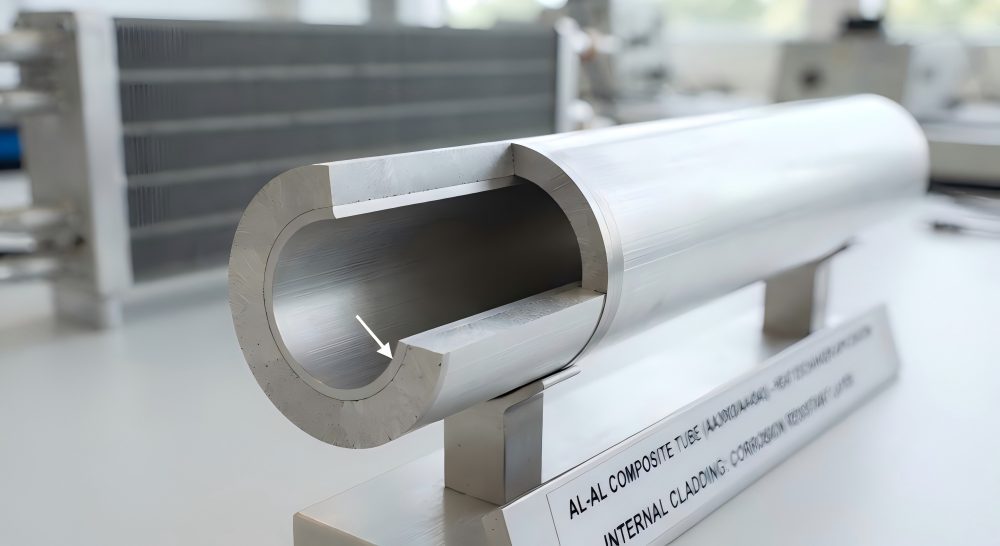
- Industrial and Chemical Environments: 6000 series alloys retain good resistance to weathering in the atmosphere, moderate industrial acids and organic solvents. However, equipment for alkaline chemical processes may require special protective coatings or high-purity aluminium-clad materials.
- Food and Medical Equipment: 6063 and 6061 alloys are heavily favored due to their compatibility with sanitary anodizing finishes, non-toxic surface behavior, and smooth, defect-free interior walls achievable via seamless cold drawing.
Corrosion Resistance Ranking: 5083 (★★★★★) > 5052 (★★★★☆) > 6061 / 6063 (★★★☆☆) > 2024 / 7075 (★★☆☆☆)
Which Alloy Is Best for Welding?
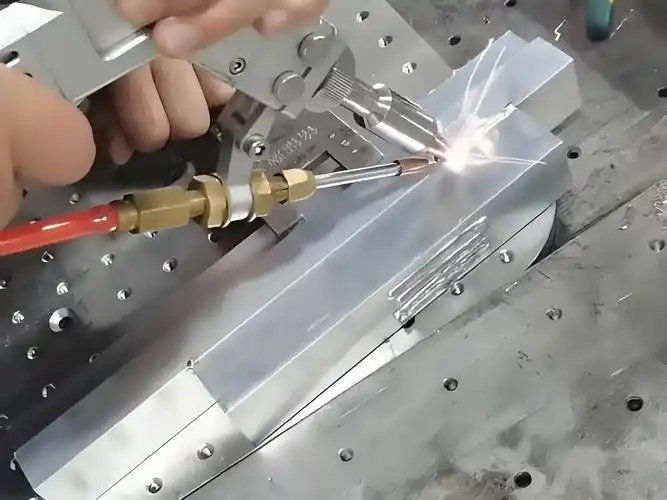
Welding creates microstructural alterations in the heat-affected zone (HAZ), frequently reducing local mechanical strength. Therefore, evaluating weldability is vital for welded structural assemblies:
- Best Welding Alloys (5052, 5083, 6061): Alloy 5083 and 5052 possess exceptional weldability without significant loss of corrosion resistance, utilizing compatible filler metals like ER5356 or ER5183. 6061 is readily weldable (typically using ER4043 or ER5356 filler wire), though post-weld heat treatment (artificial aging) is frequently required to restore peak -T6 mechanical strength in structural applications.
- Poor Welding Alloys (7075 and 2024): significant-strength heat-treatable alloys with significant proportions of copper or zinc are generally regarded as unsuitable for fusion welding. The high thermal contraction rates and extreme segregation of alloying elements in the molten weld pool result in catastrophic hot cracking and significant degradation of the joint integrity. Instead, mechanical fixing or riveting or specific friction stir welding (FSW) must be used.
Which Alloy Is Best for Machining?
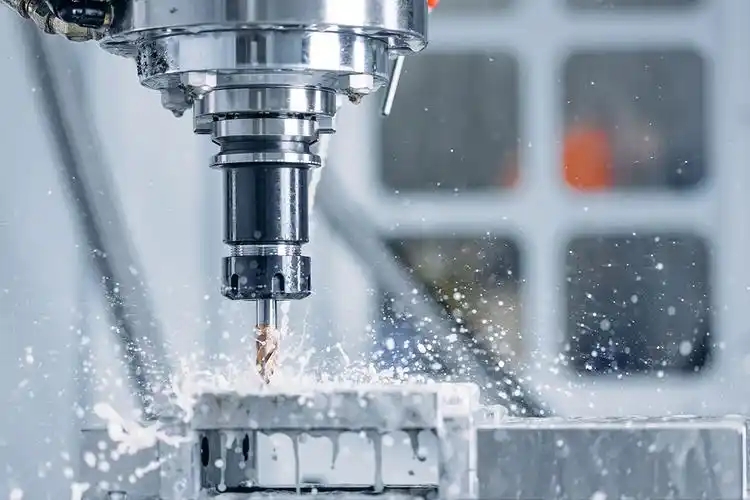
For parts with extensive secondary CNC milling, turning, deep drilling, cross-drilling, or internal thread tapping, chip-breaking behaviour and surface finish quality are critical:
Both 2024 and 7075 are good machining alloys that produce short, brittle chips that clear the cutting tools easily, with good surface finishes and close dimensional tolerances.
6061-T6 provides a very good mix of machinability and allows for high feed rates and clean tool contact in CNC operations. 6061-T6 is an industry favourite for complex machined hydraulic manifolds and structural connectors.
5000 and 1000 series alloys are softer and have increased ductility, which can lead to gummy chip formation, built-up edge (BUE) on cutting tools, and stringy swarf during severe milling or drilling operations. Clean fabrication is possible with sharp carbide tooling and proper coolant selection.
Alloy Selection by Industry
Engineering requirements vary drastically across market sectors. Aligning specific alloy attributes with industrial operational demands is key to optimized engineering design:
| Industry | Recommended Alloy | Primary Engineering Rationale |
| Aerospace & Defense | 7075 / 2024 | Maximum strength-to-weight ratio, high fatigue endurance under cyclical aerodynamic loads. |
| Automotive & EV | 6061-T6 | Weight reduction, structural rigidity, energy absorption during impact, excellent formability. |
| Hydraulic & Fluid Systems | 6061-T6 | High burst pressure capacity, smooth interior wall finish, resistance to fluid surge pressure. |
| Marine & Shipbuilding | 5083 / 5052 | Superior resistance to marine pitting, crevice corrosion, and saltwater environment degradation. |
| Food Processing & Architecture | 6063 | Exceptional surface finish quality, excellent anodizing response, non-toxic aesthetic appeal. |
| Medical Equipment | 6061-T6 | Dimensional stability during CNC machining, biocompatibility, sterilization resilience. |
| Robotics & Automation | 6061-T6 | Optimal balance of low inertial mass, high rigidity, and vibration dampening. |
| Oil & Gas / Petrochemical | 6061 / 5083 | Pressure containment integrity, cryogenic resilience, corrosion mitigation. |
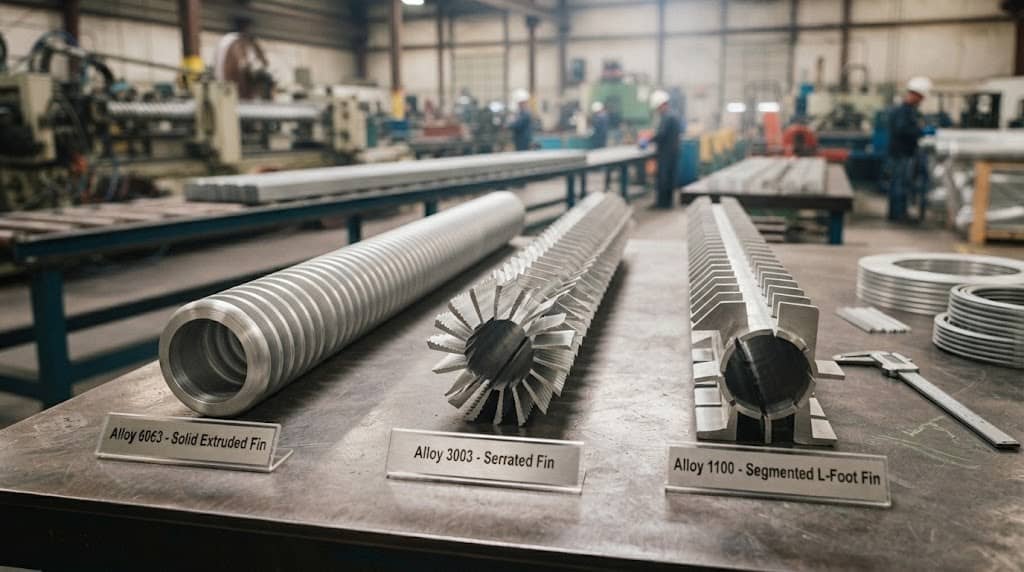
| Heat Exchangers | 3003 / 6063 | High thermal conductivity, excellent formability for complex tube bending and fin bonding. |
How to Select the Right Alloy Step by Step?
To streamline engineering specifications and eliminate costly design oversights, professionals should execute a systematic, step-by-step alloy selection workflow:
Selection Flowchart:
[Application Requirements] → [Required Yield Strength] → [Welding Required?] → [Corrosion Environment?] → [Machining Complexity?] → [Cost & Budget Constraints] → [Optimal Seamless Alloy Selection]
- Define Operational Loading: Determine if the tube is a structural column, a pressure vessel line, or a dynamic mechanical linkage. Meet or exceed baseline strength and tensile strength criteria.
- Evaluate Joining Techniques: If substantial TIG/MIG welding will be part of the assembly, immediately rule out 2000 and 7000 series alloys and opt for 5000 or 6000 series grades instead.
- Evaluate Environmental Severity: Identify environmental exposure characteristics (saline, acidic, increased humidity, cryogenic or elevated temperature) to develop corrosion thresholds as required.
- Secondary Manufacturing Considerations: Add if part requires extensive CNC machining, complex mandrel bending or deep cold-drawing.
- Balance Cost vs Availability: Have standard mill stock available in the necessary outer diameters and wall thicknesses so that you don’t have to meet special extrusion minimum order quantities (MOQs).
Alloy Selection Decision Matrix
For rapid preliminary design screening, engineers can cross-reference primary project priorities with the most suitable alloy designation:
| Primary Design Priority | Recommended Seamless Alloy |
| Lowest Material Cost | 6063 |
| Highest Mechanical Strength | 7075-T6 |
| Best Corrosion Resistance | 5083-H116 / H321 |
| Best Machining & CNC Performance | 6061-T6 / 2024-T3 |
| Best Surface Appearance & Anodizing | 6063-T5 / T6 |
| Marine & Offshore Service | 5083 |
| Aerospace Structural Frameworks | 2024 / 7075 |
| Hydraulic Fluid Line Pressure Rating | 6061-T6 |
Common Mistakes When Choosing an Aluminum Tube Alloy
Avoiding frequent engineering pitfalls prevents project delays, field failures, and budget overruns:
- Tunnel Vision on Price: Selecting a cheaper grade (such as commercial 6063) for a high-pressure structural application where 6061-T6 is mandatory, risking structural yielding.
- Ignoring Corrosion Mechanisms: Installing copper-bearing 2024 tubing in exterior marine or chemical environments without protective barriers, precipitating rapid exfoliation corrosion.
- Overlooking Weld Degradation: Specifying high-strength tempers without accounting for the softening effect in the weld heat-affected zone.
- Neglecting Heat Treatment Tempers: Failing to specify the exact temper designation (e.g., specifying raw “6061” instead of “6061-T6”), resulting in unacceptably low mechanical strength.
- Disregarding International Standards: Confusing ASTM, EN, JIS, and GB aluminum alloy designations can lead to procurement discrepancies and non-compliant material delivery.
Frequently Asked Questions
Q1. What is the difference between 6061 and 6063 seamless aluminum tubes?
Alloy 6061 contains higher levels of magnesium and silicon, offering significantly higher structural strength and better machinability, making it ideal for structural and hydraulic uses. Alloy 6063 has slightly lower strength but provides superior surface finish quality, excellent extrudability, and superior response to decorative anodizing, making it ideal for architectural and fluid trim applications.
Q2. Can 7075 aluminum tubing be welded?
No. 7075 is a high-strength aluminum-zinc-magnesium alloy that is highly susceptible to hot cracking during fusion welding. It must be joined via mechanical fasteners, riveting, or specialized solid-state joining techniques like friction stir welding.
Q3. Why choose seamless aluminum tubing over welded tubing?
Seamless aluminum tubing lacks a longitudinal weld seam, ensuring uniform mechanical properties around the entire circumference. This eliminates potential weak points, reduces the risk of seam cracking under high internal fluid pressures, and provides superior structural reliability in critical aerospace, defense, and high-pressure hydraulic applications.
Q4. Which aluminum alloy offers the best corrosion resistance in seawater?
Alloy 5083 (followed closely by 5052) provides the highest resistance to saltwater and marine atmospheric corrosion, owing to its high magnesium content and stable passivating oxide layer.