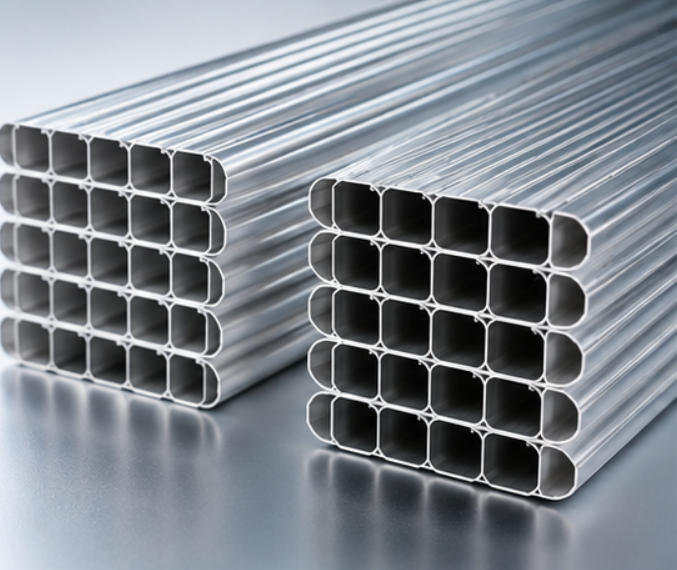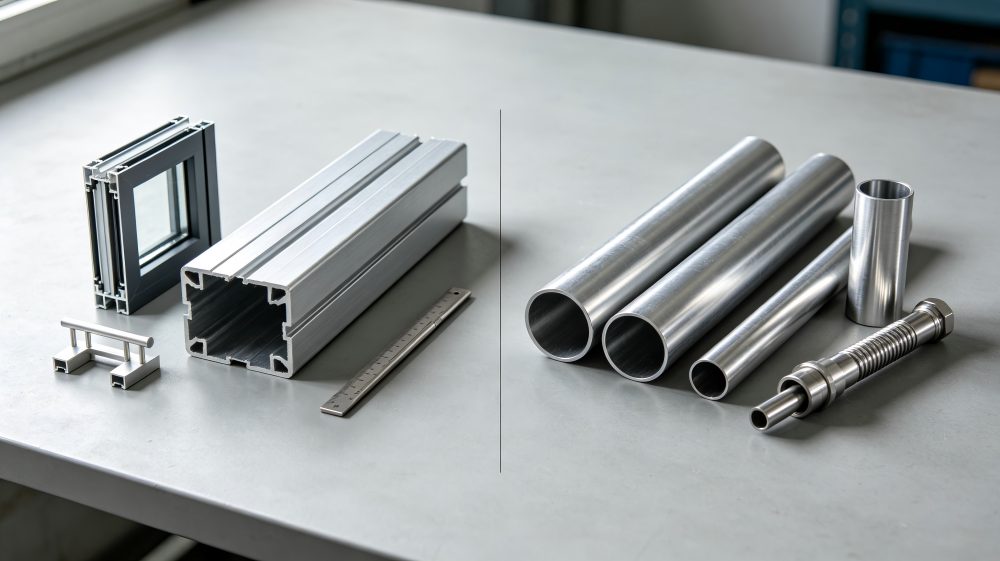
Choosing between 6061 aluminum tube and 6063 aluminum tube depends on more than strength alone. Both are widely used 6000-series aluminum alloys for extruded tubing, but they serve different engineering priorities. 6061 aluminum tube is generally preferred for higher-strength structural and mechanical applications, while 6063 aluminum tube is often selected for excellent extrudability, surface finish, and anodizing performance.
The right aluminum tube alloy depends on strength, tube geometry, wall thickness, temper, fabrication method, surface requirements, and operating conditions.
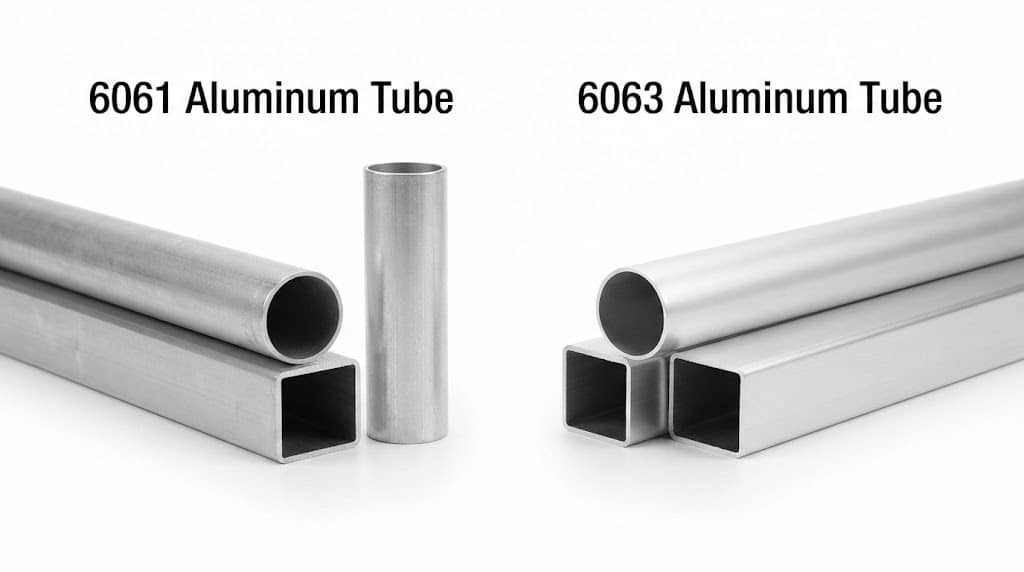
6061 vs 6063 Aluminum Tube: What Is the Main Difference?
The primary difference between 6061 and 6063 aluminum tube is the balance between mechanical strength and extrusion or finishing performance.
6061 aluminum tubing generally offers higher mechanical strength and good machinability. It is therefore suitable for structural frames, industrial equipment, transportation components, and machined tube assemblies.
6063 aluminum tubing is known for excellent extrusion characteristics and surface quality. It is particularly suitable for complex hollow profiles, architectural components, furniture, and anodized applications.
| Property | 6061 Aluminum Tube | 6063 Aluminum Tube |
| Strength | Higher | Moderate |
| Extrudability | Good | Excellent |
| Surface finish | Good | Excellent |
| Anodizing | Good | Excellent |
| Machinability | Better | Moderate |
| Structural use | Excellent | Good |
| Complex profiles | Good | Excellent |
In simple terms: choose 6061 when strength is the priority and consider 6063 when extrusion quality, appearance, or anodizing is more important.
6061 vs 6063 Aluminum Tube: How Do Their Properties Compare?
1. Strength and Load-Bearing Capacity
6061 aluminum tube is generally stronger than 6063 and is a common choice for applications involving structural or mechanical loads. It provides a useful combination of strength, relatively low weight, and corrosion resistance.
However, the strength of an aluminum tube cannot be determined from the alloy number alone. Temper, tube diameter, wall thickness, geometry, and manufacturing condition all affect final mechanical performance.
2. Extrudability and Formability
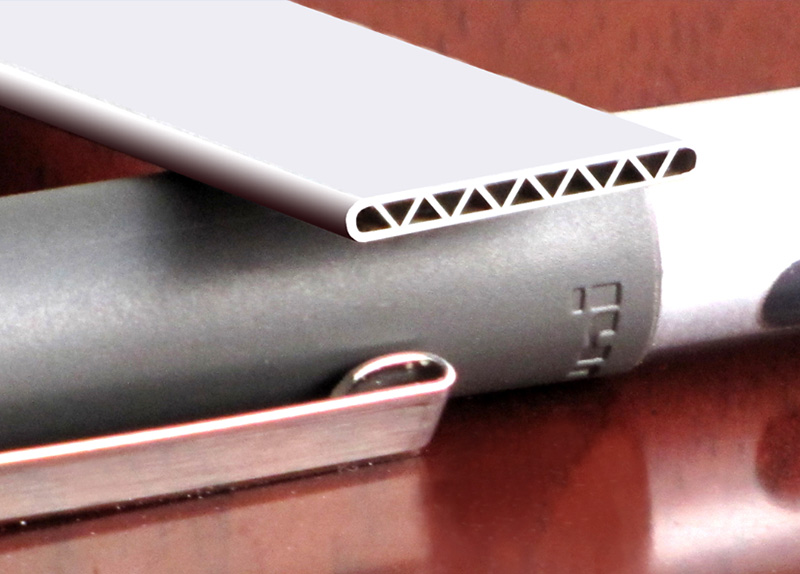
6063 is particularly well suited to aluminum extrusion. Its extrusion characteristics make it suitable for complex hollow sections, thin-wall profiles, and detailed cross-sections.
6061 can also be extruded into aluminum tubing, but 6063 may provide greater manufacturing flexibility when profile complexity and surface quality are important.
3. Surface Finish and Anodizing
For applications where appearance matters, 6063 aluminum tube generally has an advantage. It can provide a smooth and consistent extruded surface and is widely used for anodized architectural and decorative components.
6061 aluminum tube can also be anodized, but 6063 is often preferred when surface appearance and anodizing consistency are major requirements.
4. Corrosion Resistance
Both 6061 and 6063 aluminum alloys provide good corrosion resistance in many general environments. Actual performance depends on exposure conditions, surface treatment, product design, and material condition.
For marine, chemical, or other aggressive environments, alloy selection should be combined with appropriate anodizing, coating, drainage, and galvanic-corrosion control.
When Should You Choose 6061 Aluminum Tube?
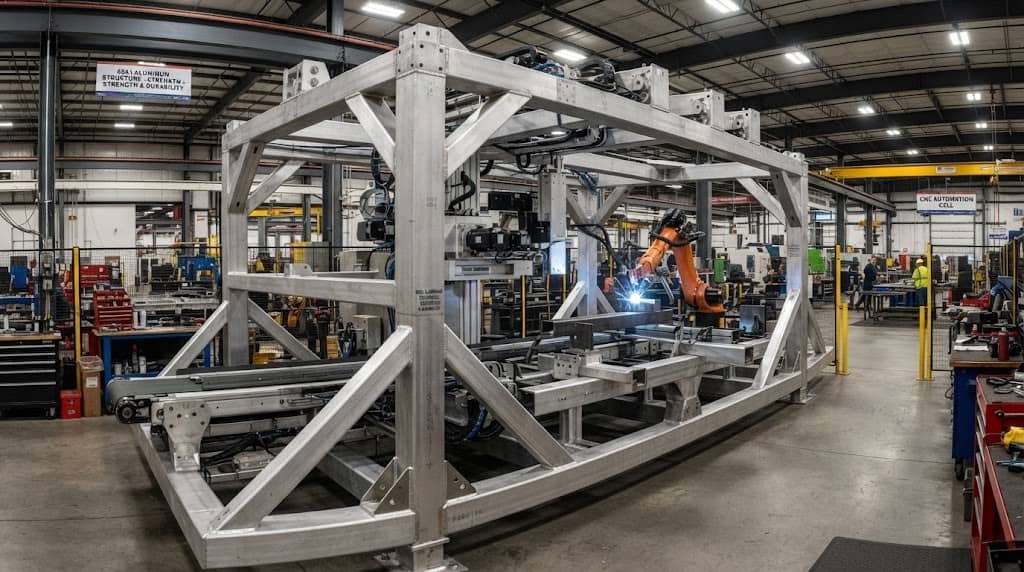
6061 aluminum tube is generally the better starting point when strength and mechanical performance are the main requirements. Typical applications include:
- Machine and equipment frames
- Structural assemblies
- Automotive and transportation components
- Industrial equipment
- Machined aluminum tube components
- Welded structures
- Load-bearing frameworks
6061 aluminum tubing is also suitable when components require drilling, milling, threading, or other machining operations.
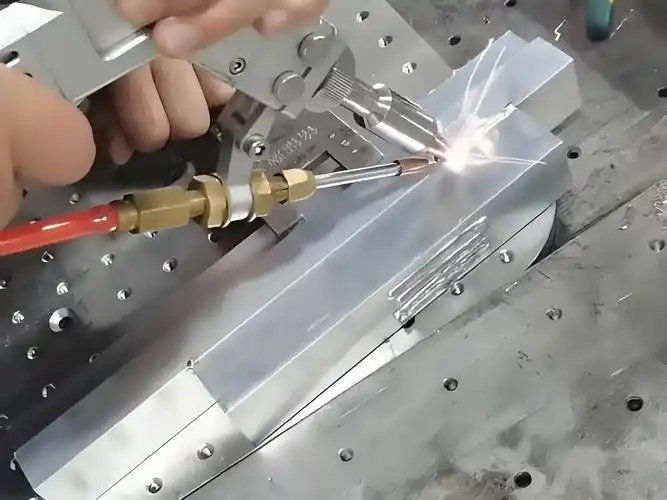
For welded assemblies, designers should consider the effect of welding on the heat-affected zone and resulting mechanical properties. A high-strength temper does not necessarily retain its original strength after welding.
When Should You Choose 6063 Aluminum Tube?
6063 aluminum tube is often the better option when extrusion performance, surface quality, and appearance are more important than maximum strength. Typical applications include:
- Architectural framing
- Window and door systems
- Furniture
- Railings
- Display systems
- Decorative structures
- Complex hollow profiles
- Anodized components
Its excellent aluminum extrusion performance makes 6063 particularly useful for profiles with complex geometries or relatively thin walls. For applications requiring moderate structural performance combined with a high-quality surface finish, 6063 aluminum tubing can provide an effective balance between manufacturability and appearance.

6061 vs 6063 Aluminum Tube for Different Applications
The best aluminum tube alloy depends on the actual application requirements.
| Application | Recommended Alloy | Primary Reason |
| High structural loads | 6061 | Higher strength |
| Machine components | 6061 | Strength and machinability |
| Automotive structures | 6061 | Structural performance |
| Welded assemblies | 6061 | Mechanical performance |
| Architectural framing | 6063 | Surface quality |
| Decorative tubing | 6063 | Anodizing and appearance |
| Complex hollow profiles | 6063 | Extrudability |
| Furniture | 6063 / 6061 | Depends on loading |
| General-purpose tubing | 6061 / 6063 | Application-dependent |
This table should be used as an initial selection guide rather than a substitute for engineering calculations. Structural loads, pressure, fatigue, buckling, temperature, and safety requirements may require a more detailed material assessment.
How Do Temper, Tube Size and Wall Thickness Affect Alloy Selection?
Choosing between 6061 and 6063 aluminum tubing should not be separated from tube design.
1. Temper Matters
The temper designation affects the mechanical properties of aluminum tubing. For example, 6061-T6 and 6063-T5 are not interchangeable simply because both are 6000-series alloys.
When ordering aluminum extrusion tube, specify both the alloy and temper according to the required performance.
2. Tube Diameter and Wall Thickness Matter
Outside diameter, inside diameter, and wall thickness influence:
- Load capacity
- Stiffness
- Weight
- Deflection
- Buckling resistance
- Pressure capability
A thin-wall, large-diameter aluminum tube can behave very differently from a thick-wall tube made from the same alloy. For a broader overview of aluminum tube sizes and selection, see our guide to aluminum tube dimensions and applications.
3. Extrusion Complexity Matters
For custom extruded aluminum tubes, profile complexity, hollow sections, wall thickness, dimensional tolerances, and die design all influence manufacturing feasibility.
When a project requires a highly complex or thin-wall profile, 6063 may provide extrusion advantages even if 6061 offers higher nominal strength.
6061 vs 6063 Aluminum Tube: A Practical Selection Guide
Use the following decision logic when selecting an aluminum tube alloy:
Choose 6061 aluminum tube when:
- Higher mechanical strength is required.
- The tube is part of a load-bearing structure.
- Machining is an important manufacturing step.
- Structural or transportation performance is the priority.
Choose 6063 aluminum tube when:
- Complex extrusion geometry is required.
- Surface appearance is important.
- Anodizing is a major requirement.
- The application requires moderate rather than maximum strength.
If requirements overlap, evaluate alloy, temper, tube dimensions, wall thickness, tolerances, fabrication method, surface treatment, and operating environment together.
How to Specify 6061 or 6063 Aluminum Tube for Your Project?
A complete aluminum tube specification should normally include:
- Alloy: 6061 or 6063
- Temper: T5, T6, or other required condition
- Tube shape: round, square, rectangular, or custom
- Outside and inside dimensions
- Wall thickness
- Tube length
- Dimensional tolerances
- Surface finish
- Anodizing or coating requirements
- Application and loading conditions
- Required quantity
- Applicable standards
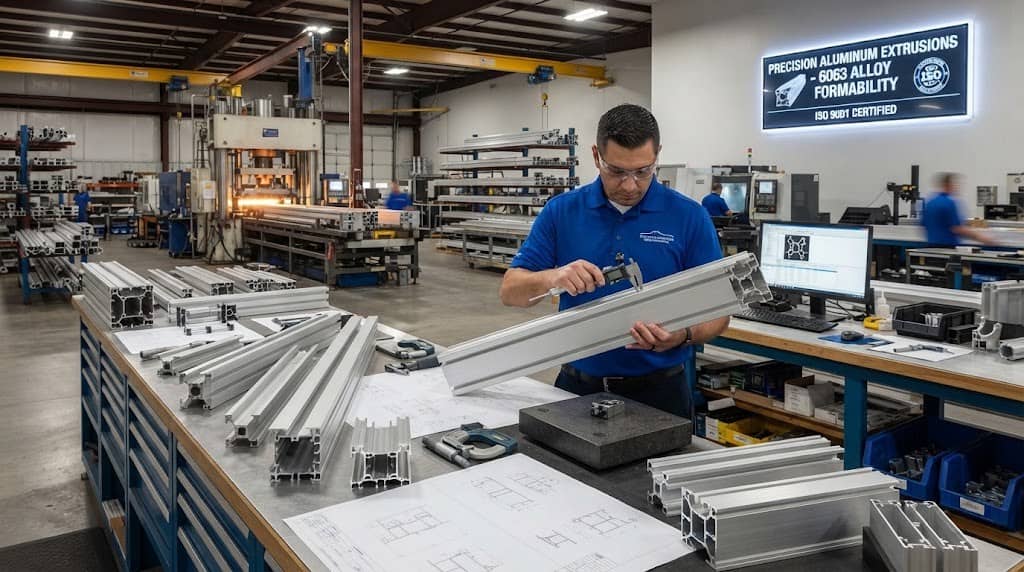
For custom extruded aluminum tube, providing a technical drawing or CAD file allows the manufacturer to evaluate alloy selection, extrusion feasibility, tooling requirements, dimensional tolerances, finishing, and production requirements before quotation.
The most important point is that 6061 vs 6063 aluminum tube is an application-specific decision. Selecting the right alloy and temper at the design stage can help balance strength, weight, extrusion complexity, surface quality, manufacturing cost, and service performance.
FAQs
1. Is 6061 or 6063 aluminum tube stronger?
6061 aluminum tube is generally stronger than 6063 aluminum tube, making it more suitable for higher-load structural and mechanical applications.
2. Which is better for structural aluminum tubing, 6061 or 6063?
6061 is typically preferred when structural strength is the primary requirement. Tube diameter, wall thickness, temper, loading, and safety factors should also be considered.
3. Is 6063 aluminum tube better for anodizing?
Generally, yes. 6063 aluminum tubing is widely selected for applications requiring attractive and consistent anodized surfaces because of its extrusion and finishing characteristics.
4. Can 6061 and 6063 aluminum tubes both be welded?
Yes. Both alloys can be welded, but welding can change mechanical properties around the heat-affected zone. Alloy, temper, welding method, and post-weld requirements should be evaluated together.
5. Which aluminum tube alloy is better for complex extruded shapes?
6063 is generally preferred for complex aluminum extrusion profiles because of its excellent extrudability and surface characteristics.