Wall thickness is only one aspect of the design when choosing aluminium tubing for pressure applications. Tube diameter, wall thickness, alloy, temper, operating temperature, method of manufacture, corrosion allowance and pressure cycling all affect the aluminium tube pressure rating.
For engineers and purchasing teams, the correct approach is to define the complete tube specification rather than select tubing based on wall thickness alone. A preliminary pressure calculation can help estimate pressure capacity, while the final allowable working pressure should be established according to the applicable engineering standard and verified for the actual tube design.
What Determines Aluminum Tube Pressure Rating?
The pressure inside a tube produces circumferential, or hoop, stress in the tube wall. Several factors determine whether an aluminum tubing pressure rating is suitable for a particular application.
| Factor | Effect on Pressure Capacity |
| Aluminum alloy | Determines basic mechanical strength |
| Temper | Influences yield and tensile strength |
| Tube diameter | Larger diameter generally increases hoop stress |
| Wall thickness | Greater effective thickness generally increases capacity |
| Manufacturing method | Can affect structural consistency and dimensional performance |
| Operating temperature | Elevated temperatures may reduce allowable strength |
| Corrosion allowance | Material loss reduces effective wall thickness |
| Pressure cycling | Repeated loading can introduce fatigue |
| Safety factor | Establishes a margin between operating and failure conditions |
Consequently, two tubes with identical wall thickness can have different aluminum tube pressure ratings if their diameters, alloys, tempers, or service conditions differ.
How Is Aluminum Tube Pressure Capacity Calculated?
For a preliminary assessment of a thin-wall cylindrical tube, hoop stress can be estimated with:
σh = PD / 2t
Where:
- σh = hoop stress
- P = internal pressure
- D = tube diameter
- t = wall thickness
The relationship can also be rearranged to estimate internal pressure:
P ≈ 2tS / D
where S represents the allowable material stress under the applicable service conditions.
This simplified aluminum tube pressure calculation shows why tube geometry matters. Increasing wall thickness generally increases pressure capacity, while increasing tube diameter increases the stress generated by the same internal pressure.
However, this equation should be used only for preliminary engineering assessment. It is not a universal certified pressure rating. Final design should consider the applicable code or specification, material properties, temperature, safety factors, manufacturing tolerances, joint efficiency where applicable, and pressure-testing requirements. For thick-wall tubing, complex profiles, elevated temperatures, or pressure-critical systems, a more detailed engineering method may be required.
Why Wall Thickness Alone Does Not Determine Pressure Capacity?
A common mistake when selecting aluminum tube wall thickness is to assume that a thicker wall automatically means a higher allowable pressure.
Consider two tubes with the same 2 mm wall thickness. If one tube has a significantly larger diameter, the internal pressure produces greater hoop stress in its wall. Different alloys or tempers can further change the allowable stress. Therefore, same wall thickness ≠ same pressure rating
A more complete pressure-tube specification is:
Alloy + Temper + OD/ID + Wall Thickness + Operating Temperature + Pressure + Manufacturing Method
And in tubing exposed to aggressive environments or repeated pressure fluctuations, corrosion and fatigue should also be considered. This is especially important when specifying aluminium tubing for high pressure, as the actual service conditions can be very different from laboratory or room-temperature conditions.
How Alloy and Temper Affect Aluminum Tube Pressure Rating?
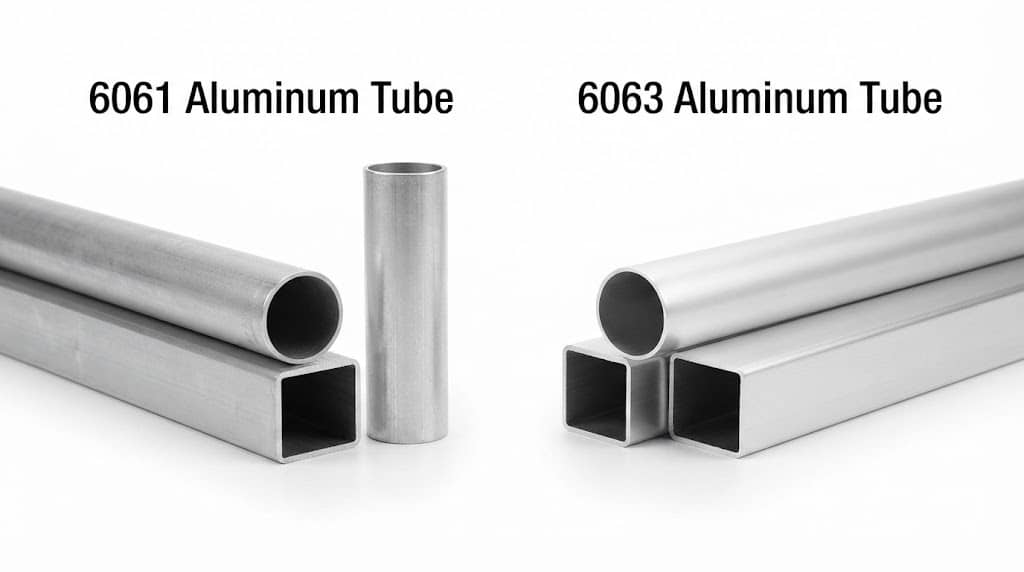
The selection of aluminium alloy affects the mechanical strength, corrosion resistance, formability, and fabrication characteristics. Temper is also important because the same alloy family can produce different yield and tensile properties depending on the material conditions.
For pressure applications, specifying only an alloy designation may therefore be insufficient. A complete material specification may need to include alloy, temper, and required mechanical properties
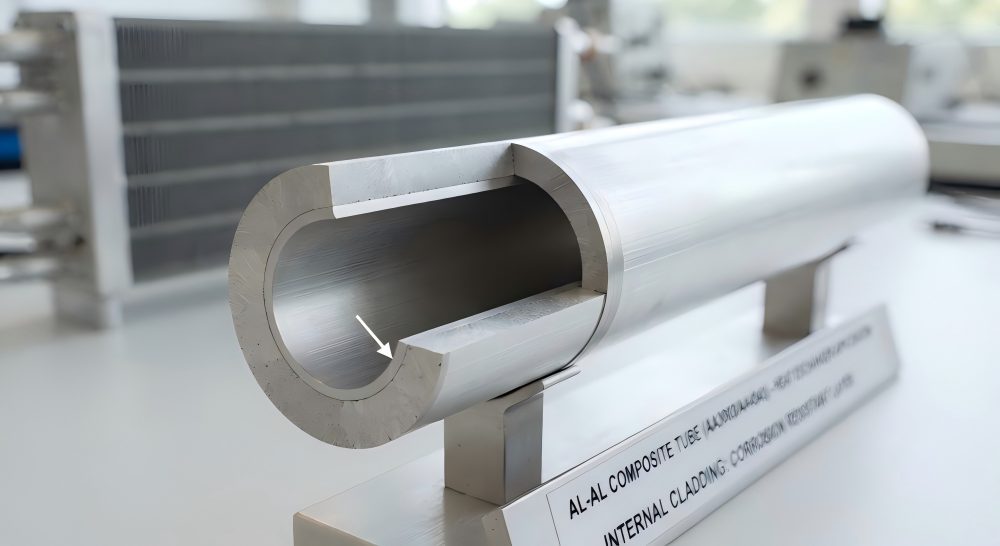
Material selection should also reflect the operating environment. Tubing used for pressurized fluid, gas, thermal systems, or cyclic service may have different requirements from tubing used only for structural or non-pressure applications. For pressure-critical projects, material certificates and mechanical-property requirements should be agreed with the manufacturer before production.
Seamless vs. Welded Aluminum Tubes for Pressure Applications
Manufacturing method is another important consideration when evaluating seamless aluminum tube pressure performance.
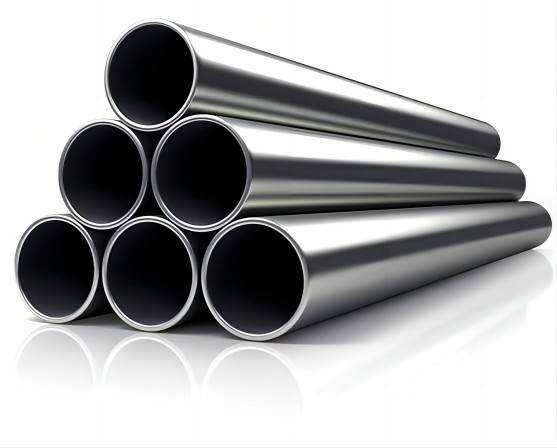
Seamless aluminum tubes have no longitudinal weld seam and may be considered where the application places particular emphasis on uniform tube construction, internal surface requirements, or pressure-related performance.
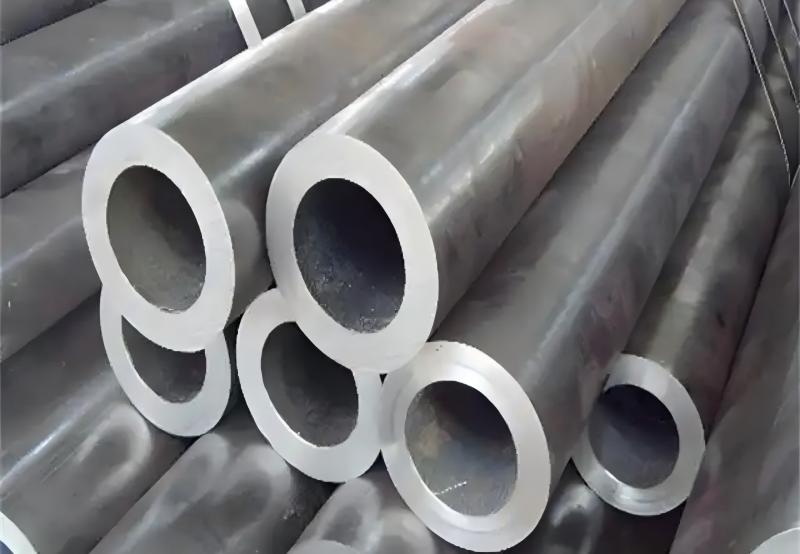
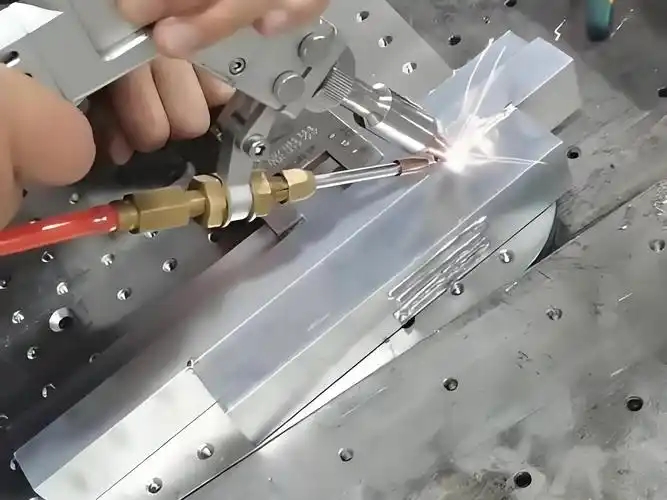
Welded aluminum tubes provide different combinations of dimensional options, production efficiency, and manufacturing flexibility. For welded tubing, the weld zone and weld quality become important factors when pressure performance is specified.
Neither construction should automatically be considered suitable for every high-pressure application. Selection should account for:
- Required working pressure
- Tube dimensions
- Alloy and temper
- Operating temperature
- Manufacturing requirements
- Applicable standards
- Inspection and pressure testing
For applications requiring tighter dimensional control, drawn aluminum tube may also be considered depending on the required geometry and specification.
How Tube Dimensions Affect Pressure Capacity?
When ordering pressure-rated aluminum tubing, the basic dimensions should be clearly defined:
- Outside diameter (OD)
- Inside diameter (ID)
- Wall thickness
- Length
- Dimensional tolerance
- Straightness and ovality, where applicable
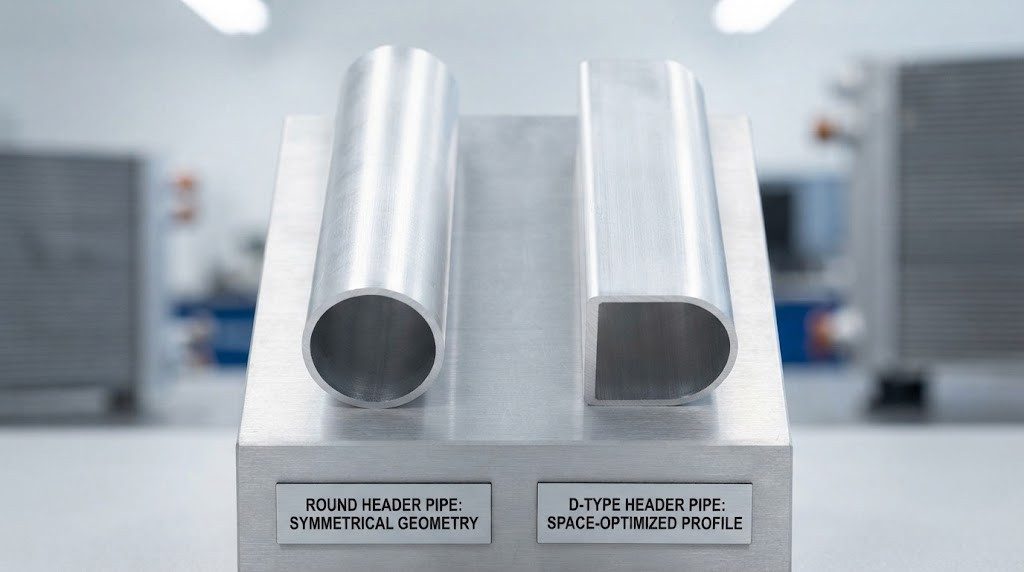
OD, ID, and wall thickness must be considered together because they define the tube geometry and effective material section.
For example, specifying only aluminum tubing and 2 mm wall does not provide enough information to determine its pressure capacity. A manufacturer also needs the tube diameter, alloy, temper, working pressure, temperature, and service environment.
For custom aluminum tubing, dimensional tolerances can become especially important where the tube must be bent, sealed, connected to fittings, or assembled into a larger system.
Working Pressure vs. Burst Pressure vs. Test Pressure
These terms describe different pressure conditions and should not be used interchangeably.
- Working pressure is the pressure the tube is designed to withstand during normal service under defined operating conditions.
- Test pressure is a specified pressure used to verify structural integrity or leak-tightness. The required value and test method depend on the applicable standard and application.
- Burst pressure refers to the pressure associated with tube failure under a defined test condition.
Therefore, burst pressure should not be used as the allowable working pressure. A pressure-rated aluminum tube should maintain an appropriate safety margin between normal operating conditions and failure according to the applicable engineering requirements.
For this reason, a supplier quotation should distinguish clearly between required working pressure, test pressure, and any specified burst-pressure target.
How to Specify Aluminum Tubing for a Pressure Application?
A clear specification helps an aluminum tube manufacturer evaluate the appropriate material, dimensions, manufacturing route, and testing requirements.
When requesting a quotation, provide:
- Alloy and temper
- Outside diameter and inside diameter
- Wall thickness
- Tube length
- Normal working pressure
- Required test pressure
- Operating temperature
- Fluid or gas being transported
- Corrosion or environmental conditions
- Continuous or cyclic pressure
- Applicable standard or specification
- Testing, inspection, and certification requirements
For non-standard products, a technical drawing can further define dimensions, tolerances, surface requirements, connections, and additional processing.
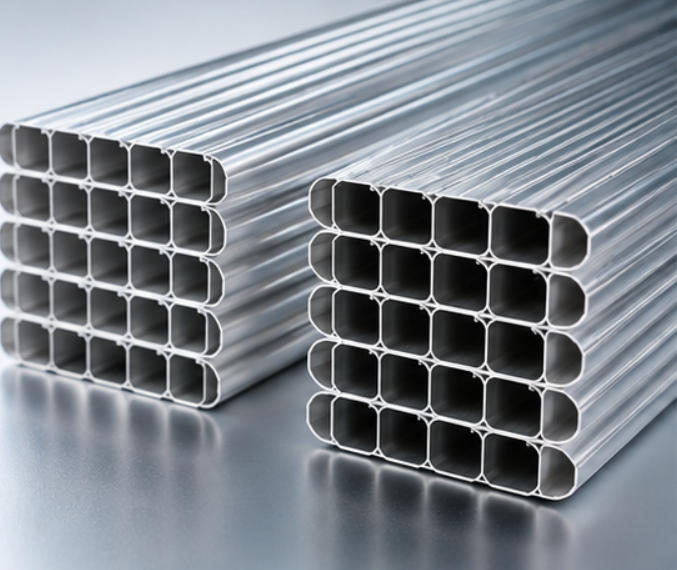
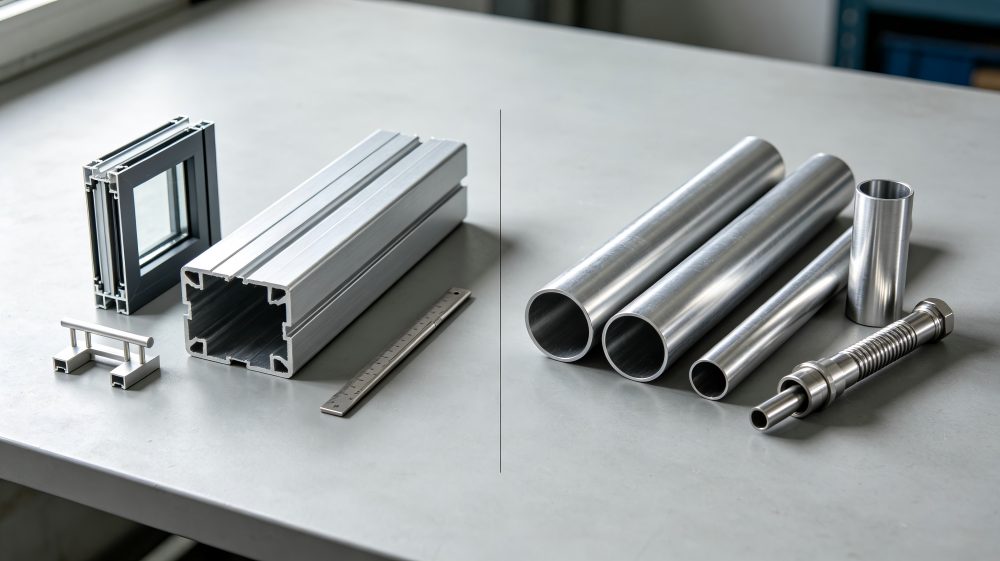
CHAL provides extruded aluminium tube, drawn aluminium tube, seamless aluminium tube and other customised aluminium tubing solutions for industrial applications. Buyers can provide the required pressure, dimensions, material and service conditions and work with the manufacturer to establish a suitable tube specification before production.
FAQ
Q1: What is the pressure rating of an aluminum tube?
A1: There is no single pressure rating for all aluminum tubes. The allowable pressure depends on tube dimensions, alloy, temper, temperature, manufacturing method, safety requirements, and applicable standards.
Q2: Does thicker aluminum tubing handle higher pressure?
A2: Generally, increasing effective wall thickness increases pressure capacity. However, aluminum tube wall thickness must be evaluated together with tube diameter, material strength, temperature, and design requirements.
Q3: Is seamless aluminum tubing better for high-pressure applications?
A3: Seamless construction can be suitable for certain pressure applications, but it is not automatically the correct choice. Material, dimensions, operating conditions, applicable standards, and testing requirements must also be evaluated.
Q4: Does aluminum alloy affect tube pressure rating?
A4: Yes. Aluminum alloy and temper affect the mechanical properties used to establish allowable stress and therefore influence the pressure capacity of the tube.