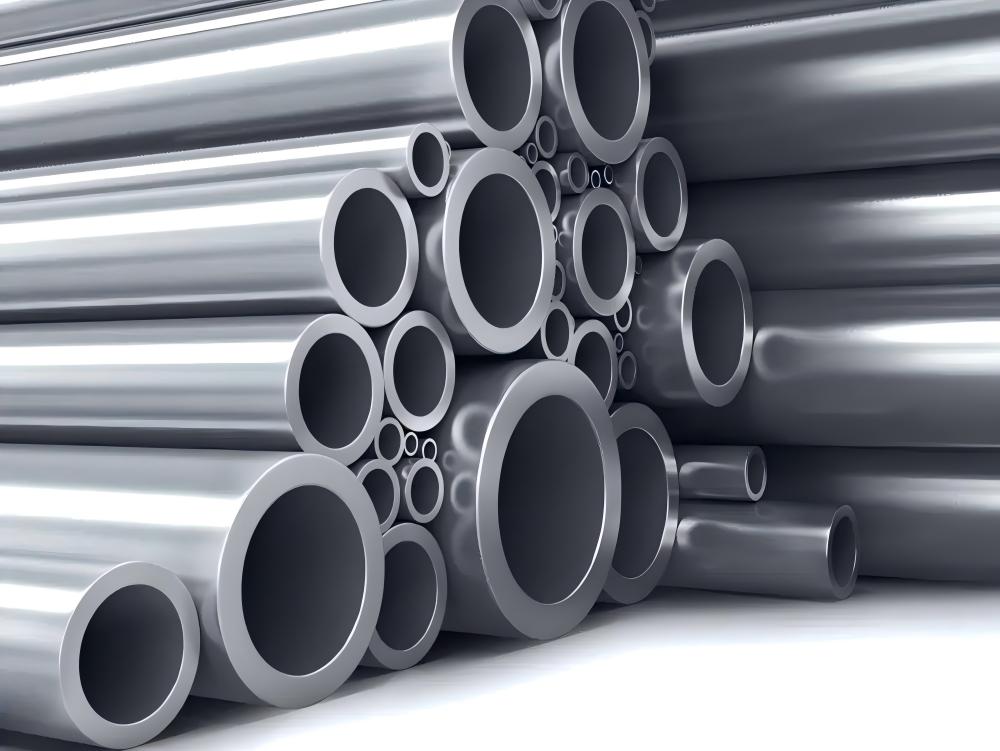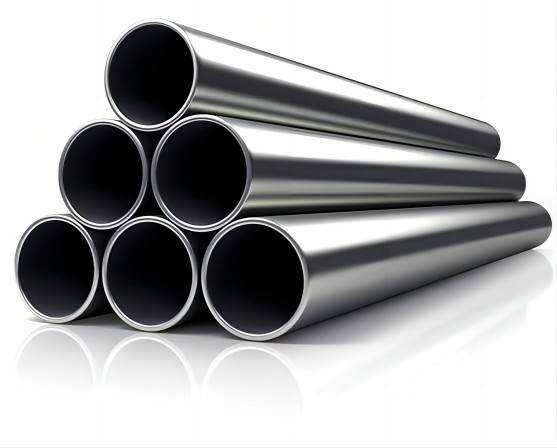
Aluminum tubes for automotive and HVAC/R uses, as well as for all sorts of fluid systems in industrial processes, must satisfy application-specific pressure and durability constraints. A tube that passes a first leak tightness test may fail at excessive pressure or cycling.
Various tests, such as the aluminum tube burst pressure test, aluminum tube leak test, and pressure cycle fatigue test, are for different purposes. Each test assesses particular aspects of tube performance and has test procedures and acceptance criteria. Specimen preparation, method selection, results recording, and evaluation for quality control and for engineering use are addressed in this guide.
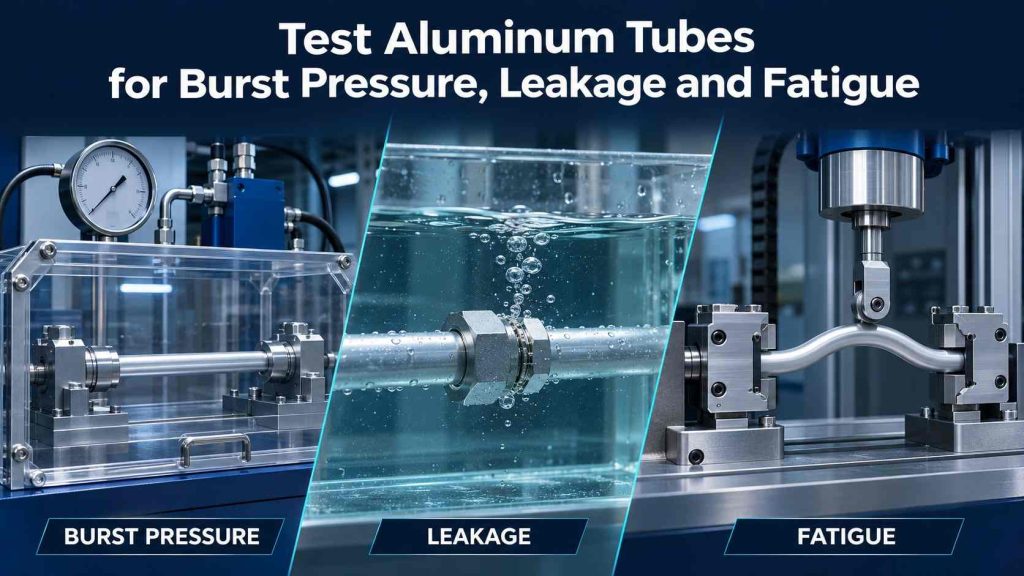
Aluminum Tube Pressure Testing: Three Methods Compared
The first step is to identify the failure risk that needs to be evaluated.
| Test method | Main purpose | Key result |
| Leak testing | Detect fluid or gas leakage under specified conditions | Leakage rate or pass/fail result |
| Burst pressure testing | Determine the pressure associated with specimen failure | Burst pressure and failure mode |
| Pressure cycle fatigue testing | Evaluate durability under repeated pressure changes | Cycles to failure or test completion |
These methods are complementary and should not be used in place of each other. A tube can pass a leak test but fail a burst test. Or it may pass a burst test once but suffer fatigue from subsequent uses. It is important to base the testing of a tube on its expected use, as well as on design requirements, standards, and the expectations of customers.
How to Prepare Aluminum Tubes for Pressure Testing?
Specimen preparation will affect the reliability of the test and the interpretation of results.
Check before testing:
- Material: Record the type of aluminum, temper, and whether there’s material certification available.
- Dimensions: Measure the external diameter, thickness, length, and other dimensions critical to performance.
- Manufacturing Condition: State whether the tubing was made by extrusion, drawing, welding, or some other process.
- Surface Condition: Check for cracks, dents, corrosion, and other defects visible to the naked eye.
- End Connections: Ensure the correct plugs, fittings, and seals are used for the intended testing conditions.
- Test Setup: Document the test medium, temperature, equipment used, and current calibration status.
For other products, such as aluminum micro-channel tubes, the actual channel design also has to be considered for the fixture. It is important to know if leakage is caused by the fixture or by the product being tested. In both cases, the test result would be erroneous, leading to product rejection that could have been avoided.
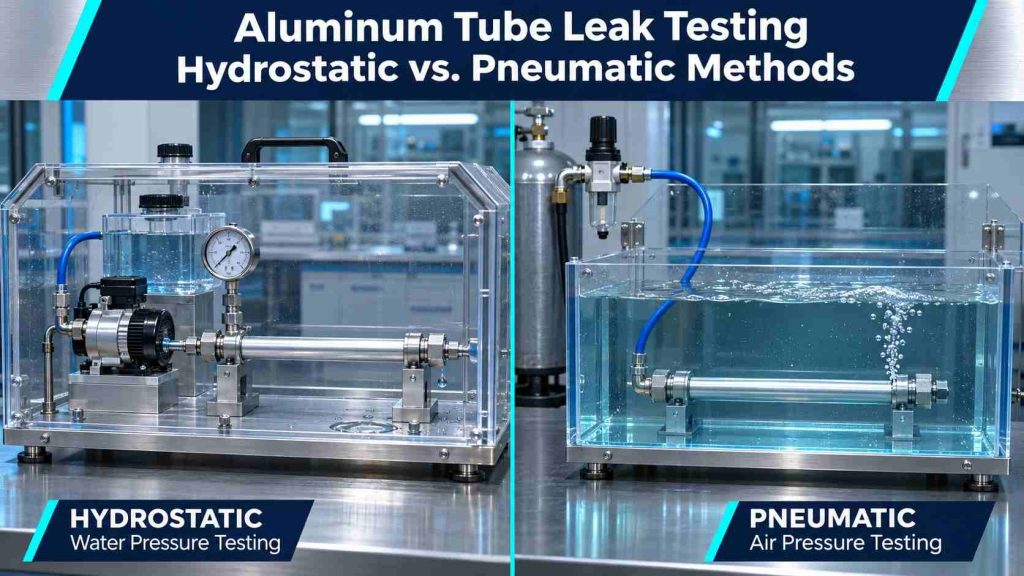
Aluminum Tube Leak Testing: Hydrostatic vs. Pneumatic Methods
Aluminum tube leak testing involves determining whether the specimen leaks liquid or air under specified testing conditions. The accepted method will vary according to the application, the sensitivity of leak detection required, and the procedures required.
Hydrostatic leak testing
A hydrostatic test uses a liquid (often water where material and process compatibility permit). The specimen is pressurized to the accepted level, and leakage or other specified failure is observed.
Important considerations are:
- Hold time and test pressure
- Cleanliness and liquid compatibility
- Air sealing and way of filling a safe system
- Testing or leak detection
- Requirements for drainage and drying
Leakage pneumatic testing
A pneumatic leak test involves pressurizing a system with an appropriate gas and observing whether pressure is lost or whether bubbles form. This test may be supplemented with dedicated leak detection equipment. Variables that may impact a test’s success include gas compatibility, leak sensitivity, system temperature, and leak fixture reliability.
Tests involving pressure leaks need to be performed using proper safeguards. An appropriate, well-defined testing procedure is critical. There is an energy risk because of the high-pressure gas. System temperature and volume have a great impact on leaks, so a decrease in pressure is not enough to confirm there is a leak.
Neither hydrostatic nor pneumatic testing is a substitute for burst strength or fatigue tests. Any test’s outcome only addresses the conditions and criteria established for that test.
How to Conduct an Aluminum Tube Burst Pressure Test?
An aluminum tube burst pressure test evaluates the pressure associated with specimen failure under a defined loading procedure. It can support product development, design verification, quality assessment, and failure investigation.
A typical workflow includes:
- Define the objective. Establish whether the test supports design comparison, product qualification, batch verification, or failure analysis.
- Prepare the specimen. Confirm the material, dimensions, specimen identification, and end connections.
- Verify the equipment. Check the pressure measurement system, data acquisition, fixture integrity, and protective enclosure.
- Apply the specified pressure loading. Follow the approved loading procedure and monitor the specimen throughout the test.
- Record the failure. Document the pressure at failure, failure location, deformation, leakage, and fracture characteristics.
- Evaluate the result. Compare the measured outcome with the applicable acceptance requirements.
A complete test report should record:
| Data field | Purpose |
| Specimen ID and material | Establish traceability |
| Outside diameter and wall thickness | Support dimensional comparisons |
| Test medium and temperature | Define test conditions |
| Loading procedure | Make results interpretable |
| Pressure at failure | Record the measured outcome |
| Failure location and mode | Support failure analysis |
| Equipment calibration status | Support measurement reliability |
Wherever possible, compare specimens made under like conditions. Wall thickness, geometry, material condition, and end constraints can be different.
Burst pressure is not enough to determine the allowable working pressure. The allowable pressure can be established from design basis, properties of material, sizes, temperature, service, and required safety factors. A single burst test cannot independently establish a safe operating pressure rating.
Aluminum Tubing Fatigue Testing: Pressure Cycle Durability
An aluminum tubing fatigue test evaluates performance under repeated loading and unloading. It is relevant when systems experience frequent starts and stops, changing operating pressures, or recurring pressure fluctuations.
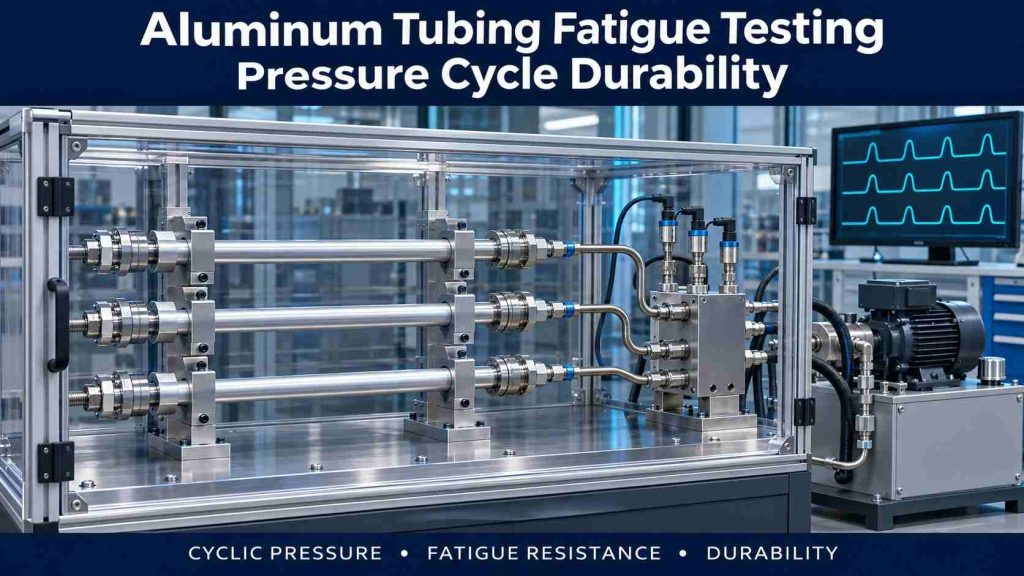
A pressure cycle fatigue test should define:
- Pressure range: Minimum and maximum pressures.
- Cycle profile: Waveform, frequency, and loading sequence.
- Operating environment: Temperature, test medium, and other relevant conditions.
- Failure criteria: Leakage, cracking, rupture, or another defined failure condition.
- Test endpoint: Target cycle count or specified termination conditions.
In the testing, record the number of cycles completed, leakage or deformation noticed, location of failure, and the outcome. A sample that completes the required number of cycles but fails to meet a failure criterion may be described as completing the test. This does not guarantee unlimited service life.
The fatigue behavior is dependent on the pressure range, shape, material state, connections, environment, and the test method. The results of the tests should not be extrapolated outside the conditions at which the tests were conducted.
How to Define Acceptance Criteria and Interpret Test Results?
Test requirements should be established before testing begins. Clear acceptance criteria help quality teams distinguish a verified result from an incomplete or inconclusive test.
| Test | Acceptance criteria to define |
| Leak testing | Detection method, allowable leakage, test pressure, and holding time |
| Burst testing | Required pressure criterion, loading procedure, and failure definition |
| Fatigue testing | Pressure cycle profile, target cycles, and failure criteria |
| Traceability | Material batch, specimen ID, equipment calibration, and reporting requirements |
| Sampling | Specimen quantity, sampling frequency, and applicable acceptance rules |
There is no single universal pass/fail threshold for every aluminum tube. Requirements depend on the product design, applicable standards, intended application, and customer specifications.
It is also important to distinguish three pressure terms:
- Working pressure: The permitted operating pressure under defined service conditions.
- Test pressure: The pressure specified for a particular verification procedure.
- Burst pressure: The pressure associated with specimen failure under defined test conditions.
These values serve different purposes and must not be used interchangeably. For product-specific requirements, review the relevant aluminum tube product range and establish the necessary material, dimensional, and inspection specifications before testing.
Common Aluminum Tube Testing Mistakes
Avoid these common mistakes when planning and reviewing pressure tests.
| Mistake | Recommended action |
| Treating burst pressure as working pressure | Apply the relevant design requirements and safety factors |
| Ignoring fixture leakage | Verify fittings and seals before evaluating the specimen |
| Comparing different specimen geometries | Record dimensions and test configurations |
| Omitting temperature data | Document relevant test conditions |
| Using leak testing as proof of fatigue life | Conduct cyclic testing when required by the application |
| Recording only pass or fail | Retain measured values and failure observations |
Consistent test procedures and complete records make it easier to compare production batches, investigate failures, and communicate requirements between manufacturers, engineers, and quality teams.
Frequently Asked Questions
Q1: What is an aluminum tube burst pressure test?
It measures the pressure associated with specimen failure under a defined test procedure. It does not independently establish the tube’s allowable working pressure.
Q2: What is the difference between hydrostatic and pneumatic leak testing?
Hydrostatic testing utilizes fluid as a medium, whereas pneumatic testing utilizes gas. The processes and detection of these tests, as well as their safety aspects, are different.
Q3: Could an aluminum tube pass a leak test but fail a burst test?
Yes. Leak testing checks leakage at a defined pressure, while burst testing checks for failure at increasingly high pressures. Passing one does not imply passing the other.
Q4: How many pressure cycles should an aluminum tube withstand?
This will depend upon the application, pressure profile, design needs, acceptable standards, and customer requirements.
Q5: What information do we need for the planning of aluminum tube pressure testing?
Alloy/temper, dimension, manufacture condition, connecting features, conditions of use, purpose of test, and acceptable standards should be known.es require more specialized processing and local reinforcement may be necessary around machined areas.