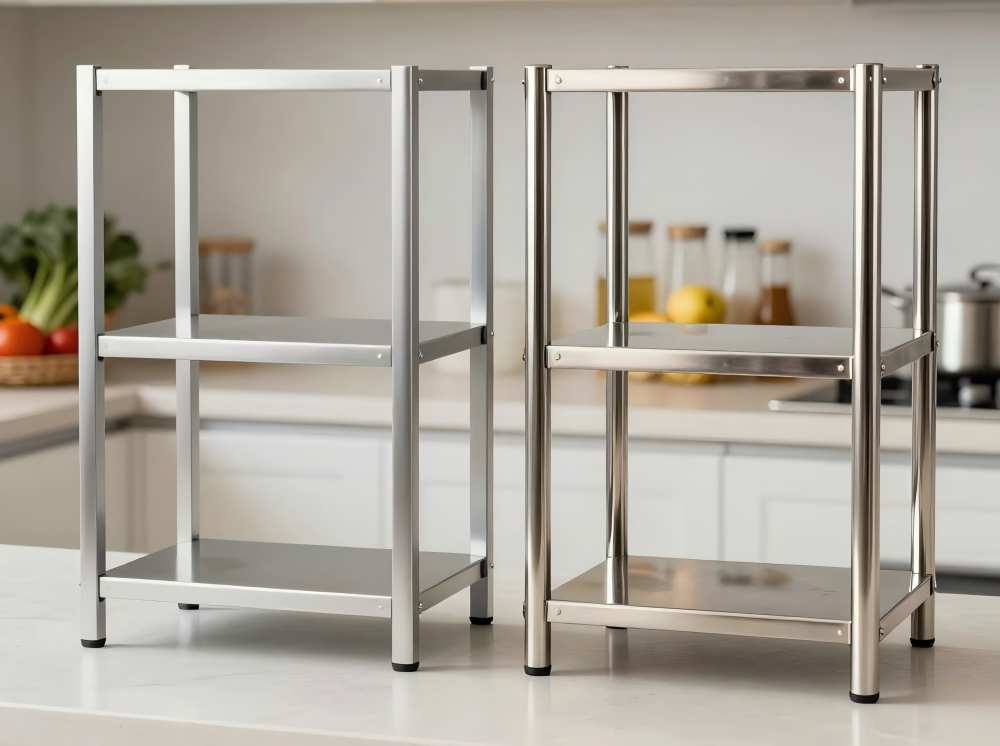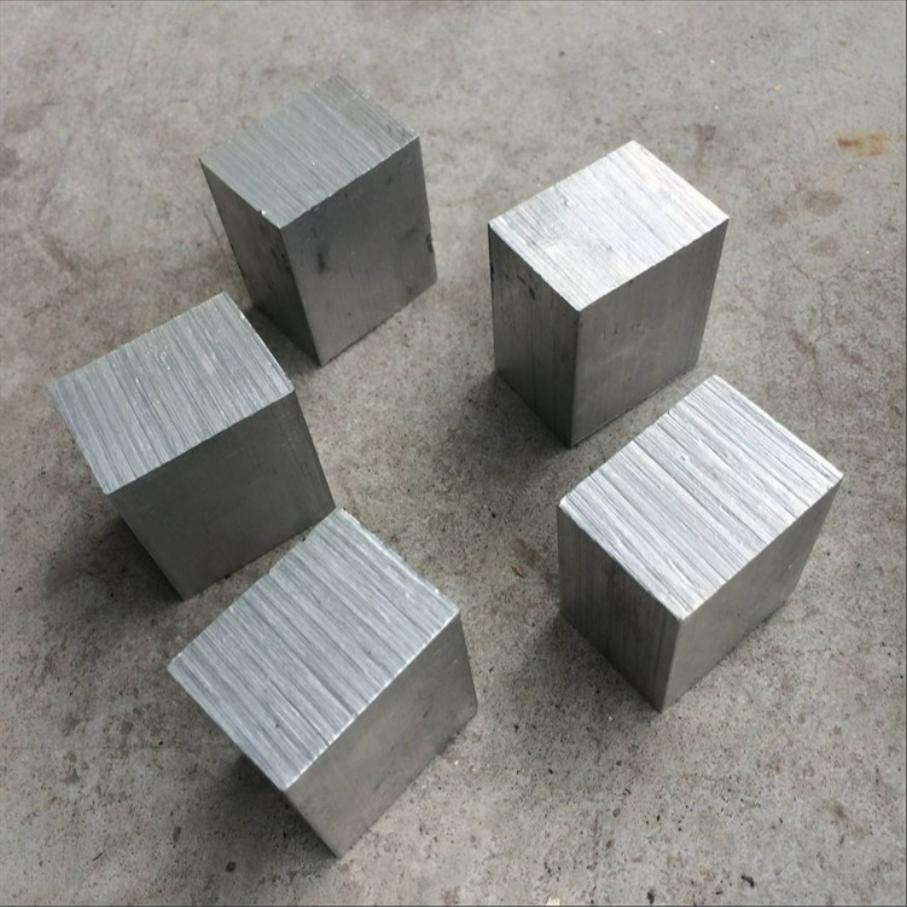
In the design of commercial and home kitchens, the material selection of storage equipment is directly related to the service life and maintenance cost of the facilities. The kitchen environment is characterized by high humidity, frequent contact with oil stains, fluctuations in pH value, and obvious temperature when a blueprint arrives on a procurement manager’s desk with a vague specification such as “aluminum cladding/roofing required,” it often sets off a complex evaluation process. Selecting an inappropriate material may result in considerable cost overruns, delays in installation, or premature structural failures. Aluminum tile and ACP sheet (Aluminum Composite Panel) are among the most compared materials in commercial and industrial construction.
This guide evaluates both products from a B2B supply chain and procurement perspective, considering structural capabilities, total cost of ownership and application suitability.
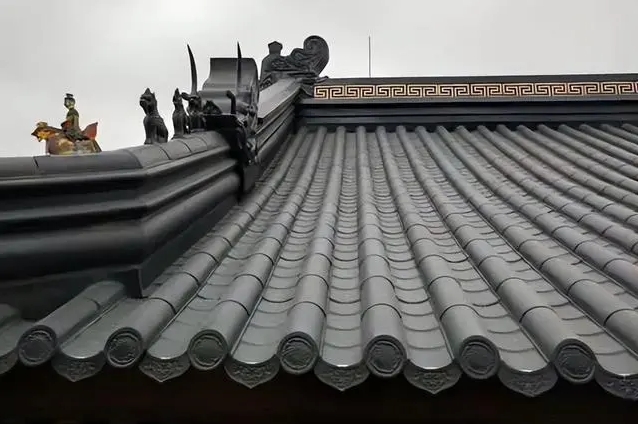
What Are They Exactly?
To make an informed sourcing decision, procurement professionals must understand the material composition and manufacturing differences between these two options.
What is an ACP Sheet (Aluminum Composite Panel)?
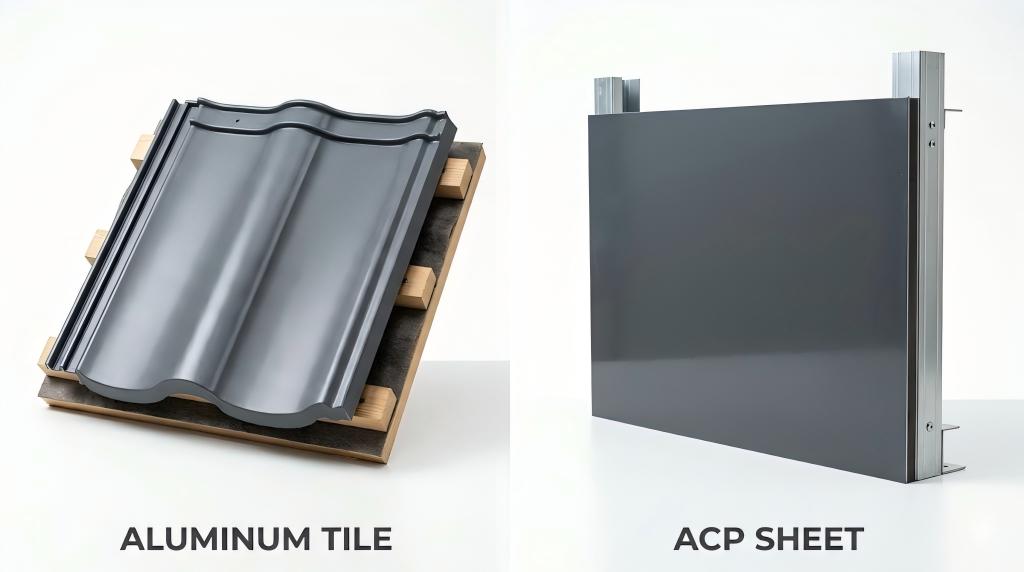
ACP sheet is a sandwich panel which consists of two thin aluminium skins bonded to a non-aluminium core.
- Structure: Outer layers are normally high-purity aluminium alloys (e.g. AA1100 or AA3003) with Fluoropolymer (PVDF) or Polyester (PE) paint.
- Core Material: Standard Low-Density Polyethylene (LDPE) or mineral-filled fire-retardant compound.
- Primary Advantage: Provides an extremely flat, rigid surface with a high strength-to-weight ratio for clean, sharp architectural lines.
What is an Aluminum Tile (Corrugated Aluminum Sheet)?
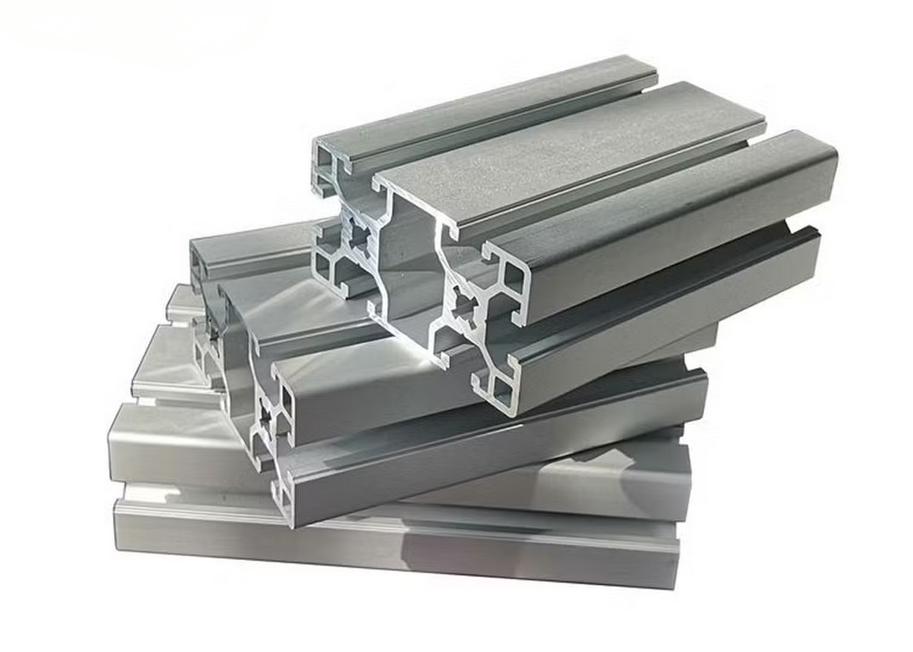
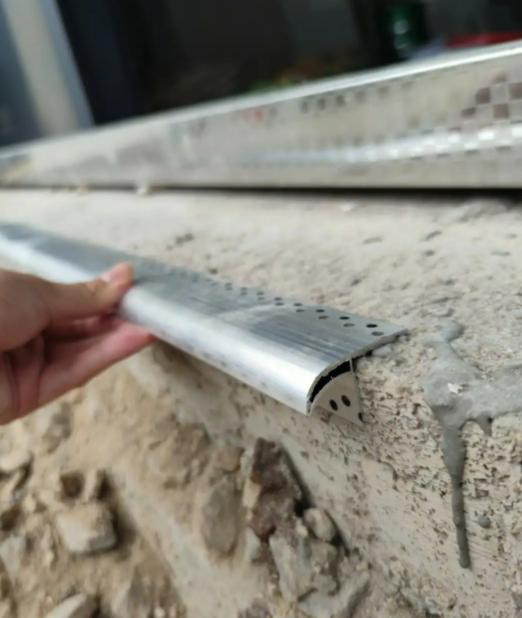
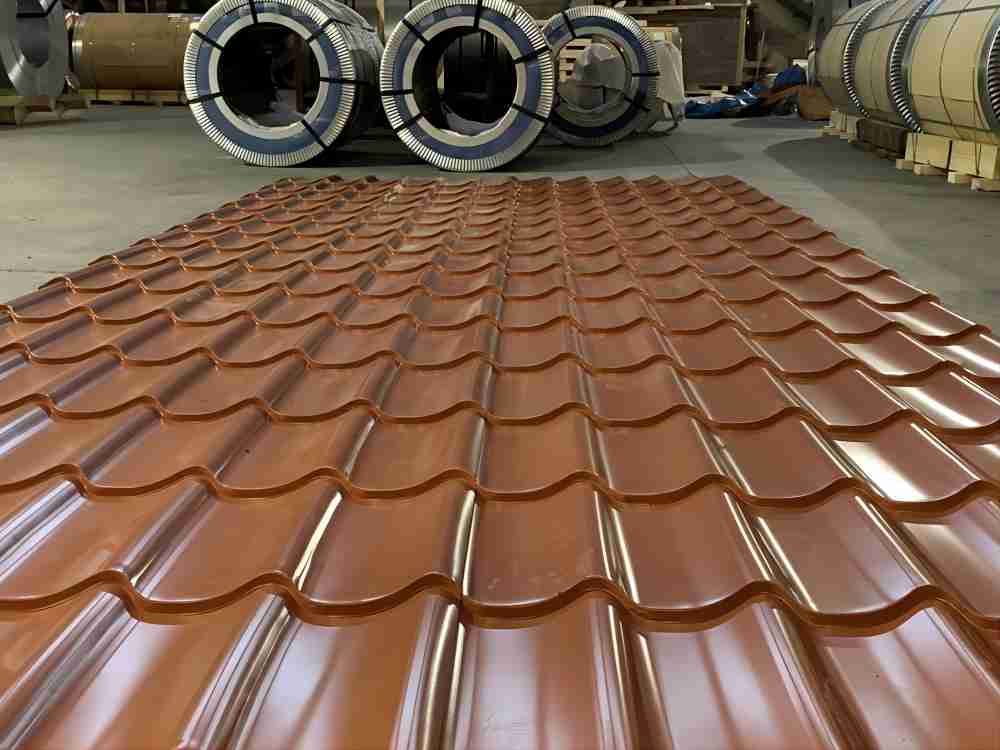
An aluminium tile is a solid, single-layer metal product, often defined in industrial procurement as a corrugated or profiled aluminium sheet.
- Structure: Created by cold-rolling solid aluminum alloy coils (generally AA3003, AA3004 or AA5052) into different geometric profiles like waves, trapezoids or simulated tile patterns.
- Surface Treatment: Mill finish, stucco embossed or pre-painted with PVDF/PE coatings.
- Main Advantage: The roll-formed profile increases the section modulus and thus offers high mechanical strength and load bearing capacity without adding weight to the material.
Dimensional Comparison: Aluminum Tile vs ACP Sheet
The following matrix provides a direct technical comparison for procurement evaluations:
| Technical Metric | ACP Sheet (Aluminum Composite Panel) | Aluminum Tile (Profiled Aluminum Sheet) |
| Material Composition | Composite (Aluminum Skins + PE/Mineral Core) | 100% Solid Aluminum Alloy |
| Surface Flatness | High (No oil-canning effect) | Low (Engineered with geometric waves/profiles) |
| On-Site Fabricability | High (Can be cut, routed, grooved, and folded) | Medium (Limited to longitudinal curving or cutting) |
| Fire Classification | Varies (Class B or Class A2 depending on core) | Class A1 (Inherent non-combustible solid metal) |
| Wind Load Resistance | Dependent on sub-frame spacing and panel size | High (Structural rigidity provided by the profile) |
| Recycle/Scrap Value | Low (Difficult to separate aluminum from core) | High (100% recyclable solid metal alloy) |
| Expected Lifespan | 10 to 20 years (Depending on bond integrity) | 30 to 50 years (Highly durable in industrial zones) |
Critical Procurement Metrics to Consider Before Ordering
When evaluating suppliers and issuing RFQs, do not be fooled by the initial cost per square meter of materials. Remember these four operational metrics when you think about your total cost.
1. Total Cost of Ownership (TCO) vs. Initial Price
One of the common procurement mistakes is to consider material costs in isolation. While the initial price per square meter for low-to-mid-grade PE core ACP sheets may be lower than a premium pre-painted aluminum tile, their long-term cost profiles are vastly different.
ACP sheets are dependent upon adhesive bonding agents to bond the aluminum skins to the core. In high temperature or high UV environments bad glues can break down causing delamination, a failure mode where the aluminum skin separates from the plastic core. The labor and scaffolding cost to replace failed facade panels is substantial.
An aluminum tile, on the other hand, is a single, uniform piece of metal. It is not subject to delamination. Moreover, solid aluminum has a high scrap value (typically 60% to 70% of the primary ingot value) and a financial recovery option at the end of the building’s life cycle.
2. Fire Regulating Standards & Compliance
Building codes strictly control the flammability of materials, especially for industrial buildings and high-rise buildings.
Standard ACP sheets with an LDPE core are highly flammable. To comply with today’s fire safety standards (e.g. ASTM E84, NFPA 285 or EN 13501-1), procurement managers are required to buy fire-rated ACP (FR or A2 grade) with mineral-filled cores. The fire rated versions also come with a hefty price tag – expect to pay twice the cost of the material itself.
Aluminum tile is inherently non-combustible and has a melting point of approximately 660°C. It is Class A1 fire rated, with no chemical additives or special cores. Aluminum tile specification reduces compliance and material costs for industrial applications, including chemical processing plants and refineries and power stations.
3. Installation Complexity & On-Site Labor Costs
The way in which these materials are installed will directly affect your project schedule and labor costs.
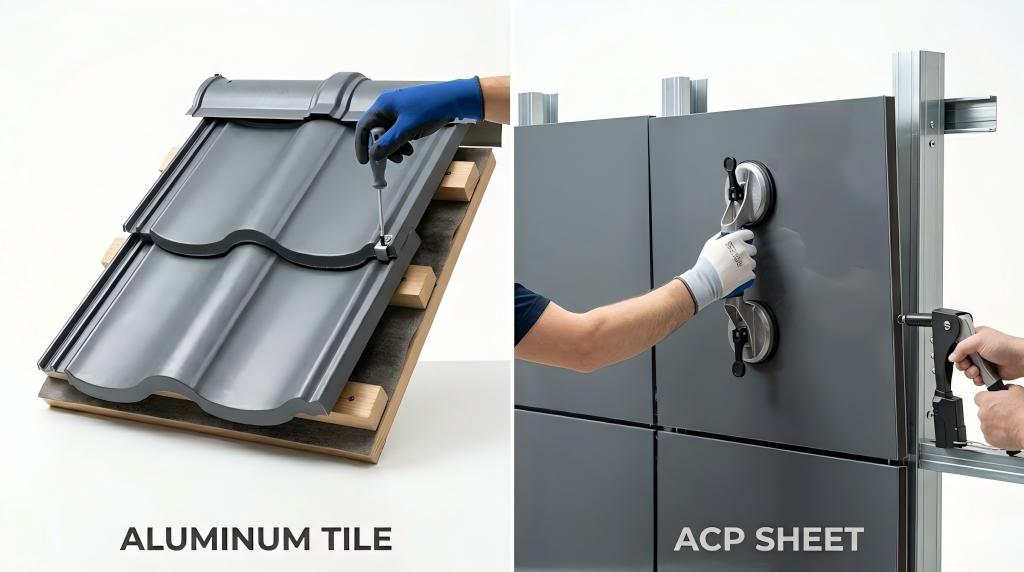
There is a systematic process of fabrication for installing ACP sheets. Panels are cut, grooved and folded into cassettes, reinforced with aluminum stiffeners and mounted onto a precise extruded aluminum or galvanized steel sub-frame using brackets and rivets. Then, the joints are sealed using silicone backing rods and weatherproofing sealants. This requires skilled labor and very tight tolerances on site.
Aluminum tile systems are less labor intensive to install. The panels are profiled to overlap laterally and longitudinally to provide natural water-shedding joints. They are simply attached directly to steel or wooden purlins with self drilling screws and EPDM washers. Installation speed is much faster with aluminum tile, reducing on-site labor hours and shortening construction schedules.
Wind Load & Weather Resistance
This reduces the total tonnage of structural steel required for the secondary support framework.
For coastal and other high wind projects, the structure’s ability to withstand negative pressure is a major consideration.
Because ACP sheets are flat, large panels can “bow” or “pillow” in high winds if the spacing of the structural sub-frame is too far apart. This can be avoided by using thicker aluminium skins (e.g. 0.50mm skin thickness) and denser sub-frame grids, both of which increase the total amount of material used.
The corrugated or wave profile of an aluminum tile functions as built-in stiffeners. This geometry allows for higher wind load resistance and positive pressure over wider purlin spans. This drops the total tonnage of structural steel needed for the secondary support framework.
When to Buy & What?
Use the following application parameters to decide what material to specify in your purchasing contracts to optimize your supply chain sourcing.
ACP Sheets Procurement Checklist:
- High-Rise Commercial Facades: Projects requiring flat, reflective surfaces with modern architectural style.
- Corporate signage and retail identity: Applications that need precise routing, CNC shaping and exact corporate color matching.
- Interior Linings and Column Covers: Architectural items that require panels to be rolled or folded into tight geometric angles or cylindrical shapes.
Aluminum Tile Sourcing Checklist:
- Industrial Roofing & Side Cladding: Large scale industrial projects such as steel structure warehouses, logistics hubs and manufacturing facilities.
- Corrosive or Marine Environments: Civil projects located in coastal areas where the natural oxide layer of alloys such as AA3003 or AA5052 provides better corrosion resistance than galvanized steel.
- Insulation Jacketing: Get mill-finish or embossed aluminum tile sheets to wrap and protect outdoor industrial piping, boilers and liquid storage tanks.
Conclusion & Final Procurement Checklist
The selection of an aluminum tile and an ACP sheet is a function of matching aesthetic considerations with structural considerations. As you make the final request for quotation to foreign or local suppliers, it should be noted that the documents should have the following details about the material:
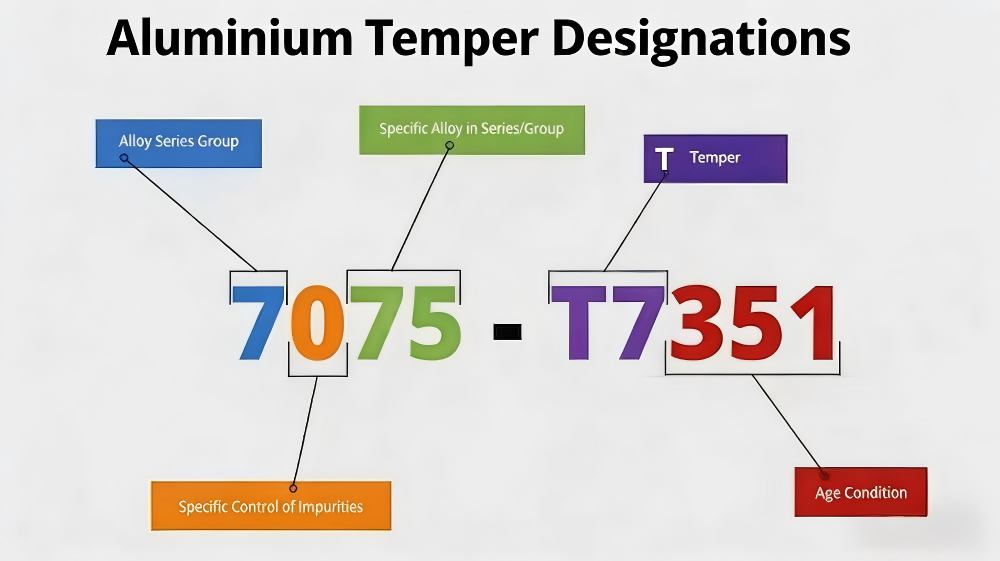
- Alloy Grade: Indicate the specific series required (such as Series 1000 for basic flashings, Series 3000 for normal roofs/wall cladding, or Series 5000 for marine applications)
- Coating Requirement: Specify clearly whether PVDF coating (required for outside UV exposure conditions) or PE coating (required for interior and short-term usage) is needed, together with minimum dry film thickness (25 microns for 2-coats PVDF).
- Core Specification (for ACP): The fire rating of the core material required should be clearly specified (PE core, B1 FR core, or A2 Non-Combustible Core).
FAQ Section
Q1: Can I use ACP sheets for roof applications?
A1: Using ACP sheets for primary roofing is generally not recommended. ACP sheets lack the engineered drainage profiles and structural rigidity found in an aluminum tile. Furthermore, the thermal expansion and contraction of large flat panels can stress the silicone joints, increasing the risk of water leakage over time.
Q2: Is an aluminum tile more cost-effective than an ACP sheet?
A2: If you look at the raw material costs, a standard corrugated aluminum tile is often cheaper per square meter than a high-quality exterior grade PVDF ACP sheet. Consider the reduced sub-frame requirements and faster installation time and an aluminum tile system usually results in a lower total installed cost for large scale industrial envelopes.
Q3: How do I prevent galvanic corrosion when installing aluminum tiles on steel structures?
A3: To prevent galvanic corrosion, ensure there is no direct contact between the aluminum panel and carbon steel purlins. This is achieved by using isolation tapes or PVC barrier strips between the metals and by utilizing stainless steel fasteners equipped with bonded EPDM washers to seal the penetration points.