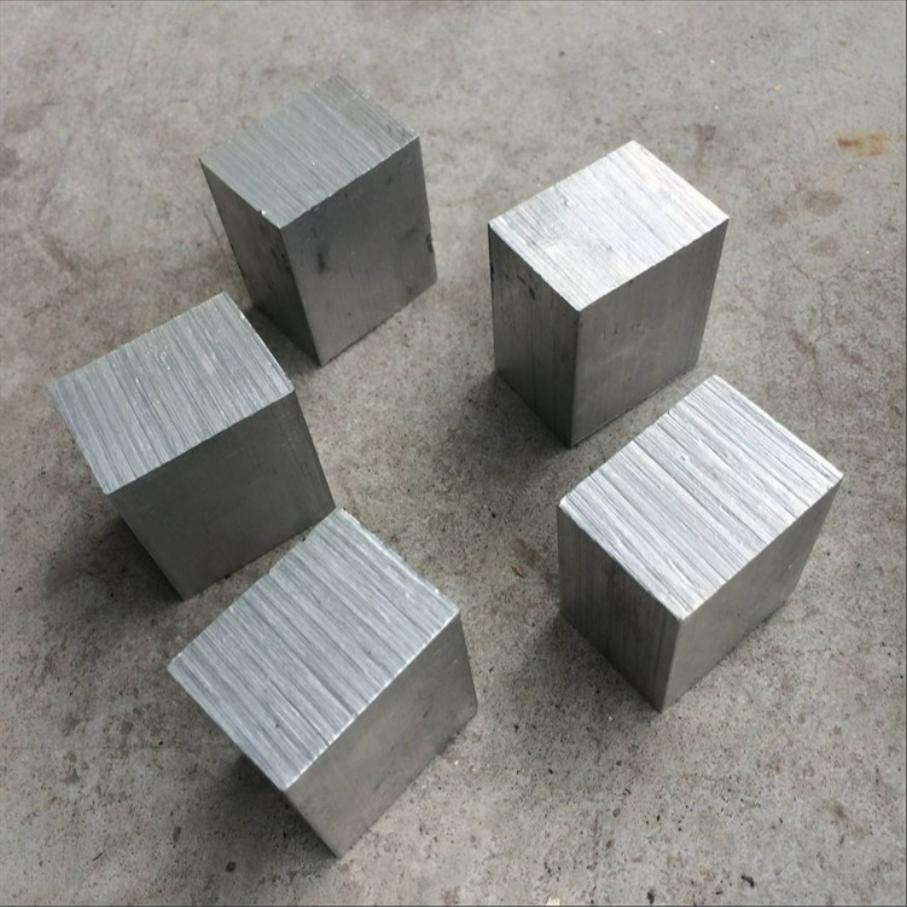
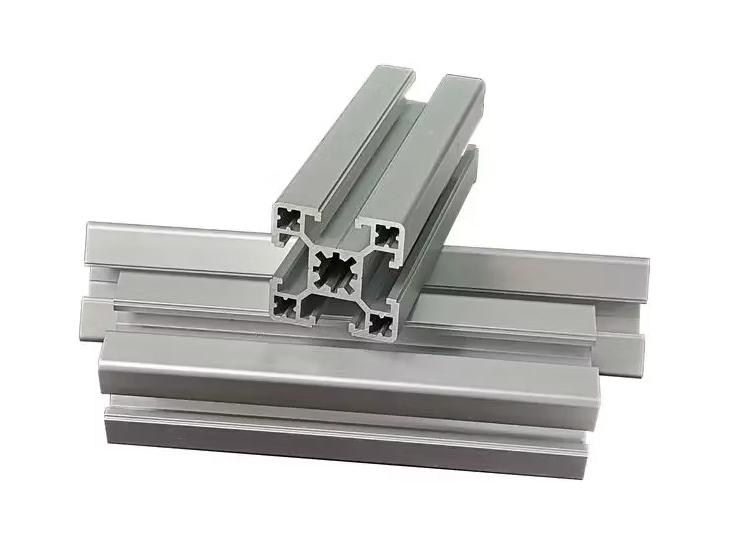
When you build or buy a mask machine, you probably spend a lot of time looking at servo motors, ultrasonic welding units, and PLC automation controls. That makes sense because those parts run the automation. However, the actual performance of your machine depends heavily on the structural stability of its frame. Today, T slot aluminum extrusion is the industry standard for building mask machine frames. It is lightweight, completely modular, naturally corrosion-resistant, and incredibly easy to assemble.
But here is the catch: not all aluminum extrusions are the same. If you pick the wrong profile, you are going to deal with frame vibration, parts moving out of alignment, constant maintenance tweaks, and expensive production downtime. Before you sign off on a purchase order for T slot aluminum extrusion, you need to talk to your supplier and ask these ten practical questions to protect your investment.
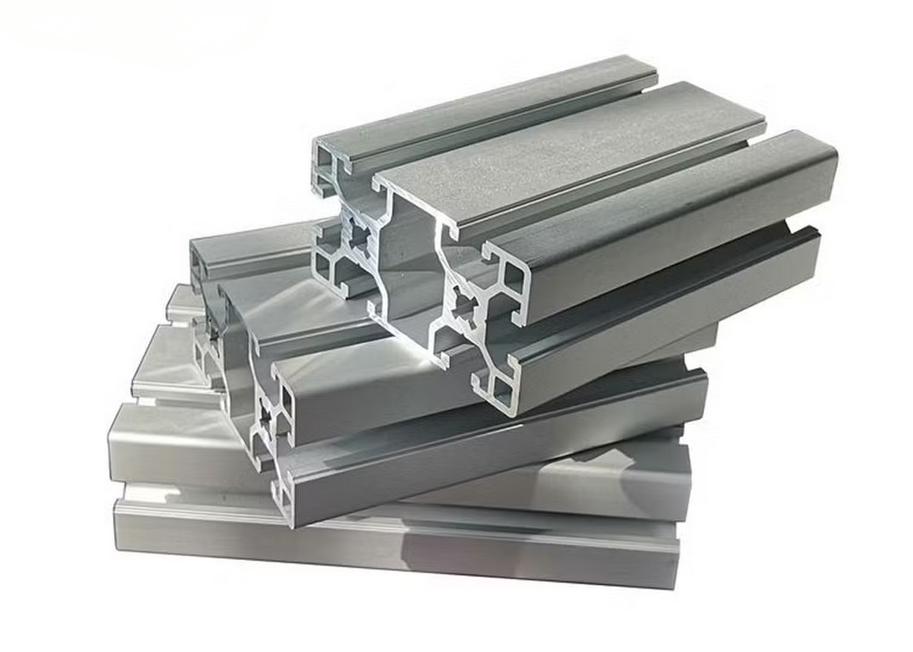
Why T slot aluminum extrusion is the Standard for Mask Machine Frames?
It is the preferred method of welding and T slot aluminum extrusion for engineers in factories throughout North America and Europe. If you build a steel frame, you have to cut it, weld it, stress-relieve it, grind it, and paint it. If you want to do a design change later, you have to grind the weld off.
With a modular aluminum extrusion profile, you just cut the pieces to length, slide in the fasteners, and bolt everything together. This flexibility matters because mask designs change. However, because mask production lines run at high speeds, the structural frame faces constant stress. That is why you cannot just buy the cheapest profile available. You need a structured approach to sourcing.
10 Sourcing Questions to Ask Your Aluminum Supplier
Q1. Is the Aluminum Extrusion Strong Enough for My Machine?
You have to start with load-bearing capacity. Different styles of mask machines put different amounts of physical stress on a frame. For instance, a basic semi-automatic mask machine creates very little dynamic load. On the other hand, a fully automatic high-speed mask machine or a complex KN95 mask production line runs at high cycles and creates massive dynamic forces and heavy vibration.
If your T slot aluminum extrusion profile is too small or thin, the frame will deflect or bend during operation. When the frame bends, your cutting dies, and ultrasonic components go out of alignment, ruining your product quality. Ask your supplier directly about the maximum load capacity, the recommended span lengths, and if they have real-world data on using that specific profile in high-speed automation.
Q2. Which Aluminum Alloy Is Used?
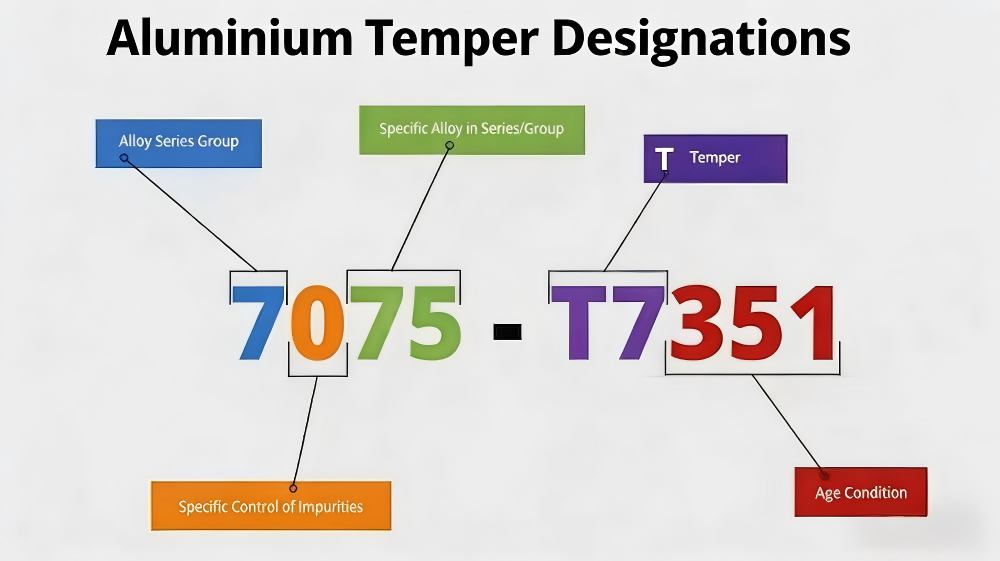
The chemical makeup of the alloy determines the overall strength of the metal, how long it will last, and how easy it will be to machine. In the world of structural framing the most common choices are 6063-T5, 6063-T6 and 6061-T6.
For the vast majority of mask machine applications, a 6063-T5 alloy hits the perfect sweet spot. It gives you plenty of structural strength, has a very clean surface finish, and keeps your material costs reasonable. If you need extreme structural rigidity for a heavy component, you might step up to 6061-T6. Make sure to ask your supplier for the exact alloy grade, the tensile strength, and the yield strength specifications.
Q3. Is the Profile Heavy-Duty or Lightweight?
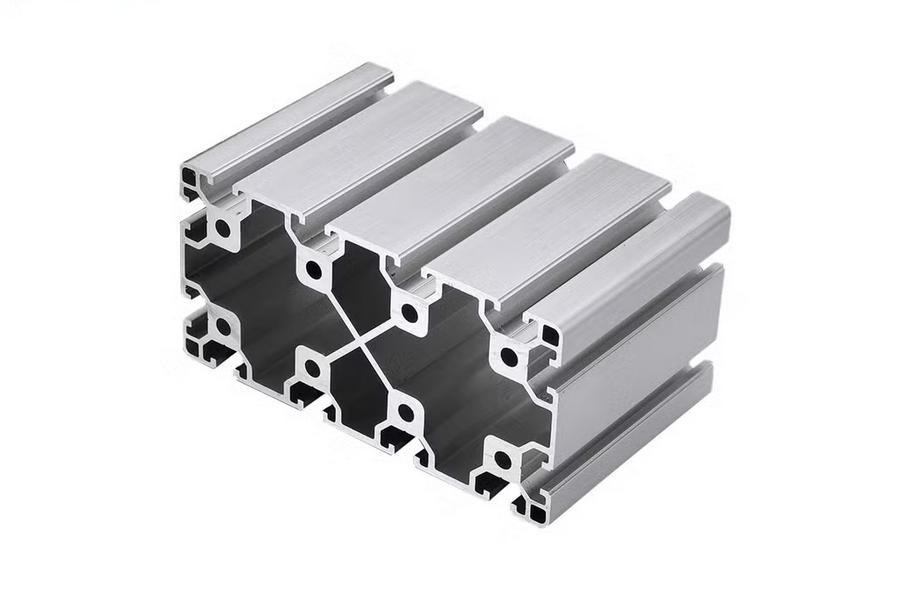
A typical error made is that even though two components may have the same appearance, they can function in entirely different ways. There are usually two types of each size profile, which include the heavy-duty series and the lightweight series, such as the 4040 or 8080 profiles.
The heavy-duty T-slot aluminum extrusions have outer walls that are thicker and ribbing that is also thicker, resulting in a higher moment of inertia. This additional weight provides a more stable resistance to vibrations. Make sure to always request the thickness of the walls from your supplier when ordering any extrusions.
Q4. Will the T Slot Standard Match Available Accessories?
Compatibility issues can ruin your assembly schedule. The global market uses different design standards for T slot aluminum extrusion, primarily European standards, metric standards, and various custom structural profiles.
Should you have an extrusion profile with a non-standard slot width or geometry, you will have a very difficult time finding compatible T nuts, corner brackets, hinges, mounting plates, sensor supports, or protective guarding systems. If a bracket breaks down the road, you don’t want your machine down for weeks waiting on a proprietary part. Ask if the profile uses a globally recognized standard so you can buy accessories anywhere in the world.
Q5. Can the Frame Handle Continuous Vibration?
Mask machines are running all day, every day. The cycle of servo motors and pneumatic cylinders firing, along with the ultrasonic welding units, is sending shockwaves through the frame nonstop. The vibration can work the fasteners loose over time and destroy the accuracy of the machine.
You must be sure that the aluminum extrusion profile system has been tested for effectiveness under conditions of strong vibrations. Find out from your manufacturer which vibration-damping components are recommended for use with their aluminum extrusion system—locking nuts, braces, and corner reinforcements.
Q6. Is the Surface Treatment Suitable for Manufacturing Environments?
Aluminum is easily oxidized and easily scratched. Quality T slot aluminum extrusion will always have an anodized finish. The process of anodization gives a hardened coating that gives corrosion resistance, scratch resistance, and ease of cleaning.
Ask your supplier to confirm that the profile is anodized and ask for the specific thickness of that anodized layer. It needs to meet industrial manufacturing standards so it won’t degrade under daily handling and industrial wipe-downs.
Q7. Is the Extrusion Suitable for Cleanroom or Medical Production Areas?
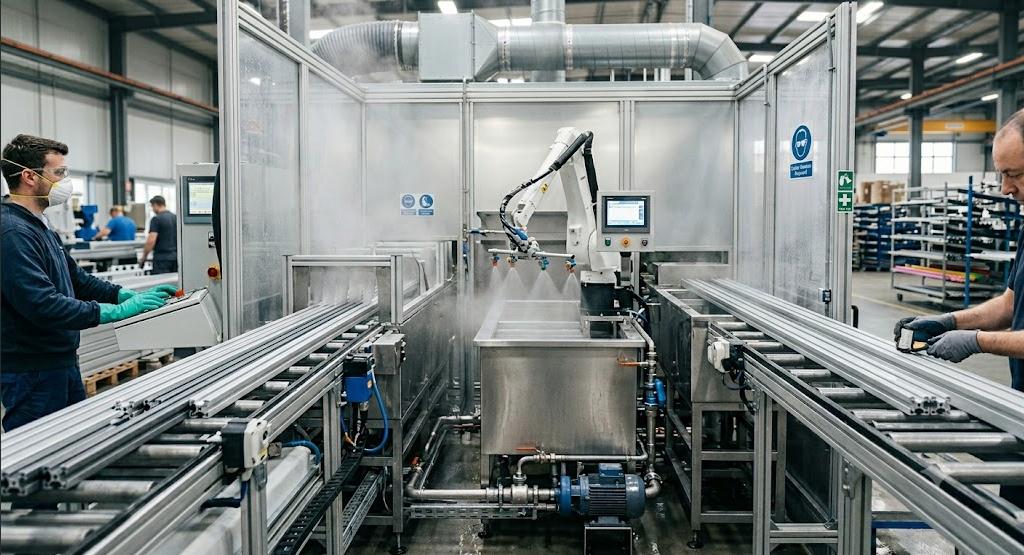
Face masks are medical and personal hygiene products, which means production lines often sit inside cleanrooms or highly regulated, dust-controlled spaces. Your structural framing cannot be a source of contamination.
An ideal T slot aluminum extrusion for a cleanroom has smooth, open surfaces that resist dust accumulation. Ask your supplier if they offer plastic slot covers. These covers snap into the open T-slots to seal them off, preventing dust, grease, and debris from collecting inside the channels. Also, verify that the raw profile joints won’t generate metallic particles under regular machine flex.
Q8. Can the Machine Be Expanded or Modified Later?
One of the primary selling points of a modular aluminum extrusion profile system is future flexibility. A year from now, you might need to add an automated camera inspection system, extra safety sensors, a protective acrylic enclosure, or a longer conveyor extension.
Ask the supplier how easy it is to integrate new structural components. Can you make adjustments and add modules without having to dismantle the core frame or perform any welding? Make sure they stock a wide catalog of expansion accessories.
Q9. Does the Supplier Offer Machining and Pre-Assembly Services?
If you buy raw extrusion bars, your team has to spend hours cutting, drilling, and tapping the metal. If your shop cuts a piece slightly off-square, the entire frame will assemble crookedly.
Many professional suppliers offer value-added services like precision CNC cutting, drilling, tapping, milling, and even complete frame pre-assembly. Ask what machining tolerances they guarantee. Getting your parts pre-cut and tapped means the components arrive ready for instant installation, saving you massive amounts of labor time.
Q10. What Is the Total Cost of Ownership?
Don’t just buy based on price per meter. You may save some money today by using a cheap, low-grade T slot aluminum extrusion, but it will cost you a lot more in the long run.
Determine the cost of ownership that is made up of the initial cost, labor cost for installation, further costs associated with maintenance, and the risk factor due to non-production due to downtime. A rugged extruded profile will give you stability, long service without breakdowns, and lower costs through eliminating failures. You should inquire about the life expectancy of the product offered and any warranty terms by the supplier.
Building a Future-Proof Mask Production Line
Choosing the right structural frame is a foundational step in machine building. You cannot treat T slot aluminum extrusion like a simple commodity item where only price matters. You must evaluate the raw material alloy quality, structural load-bearing capacity, vibration resistance, and cleanroom compatibility. By getting clear answers to these ten questions before buying, you ensure your mask machine frame is highly stable, incredibly efficient, and ready for future upgrades.