In the design of commercial and home kitchens, the material selection of storage equipment is directly related to the service life and maintenance cost of the facilities. The kitchen environment is characterized by high humidity, frequent contact with oil stains, fluctuations in pH value, and obvious temperature gradients. Among numerous storage solutions, aluminum shelves and stainless steel shelves for kitchen are two of the most common industrial choices. This article aims to analyze the physical properties, durability, and economic applicability of aluminum shelves for kitchen from a materials science perspective, and explore their performance in specific environments.
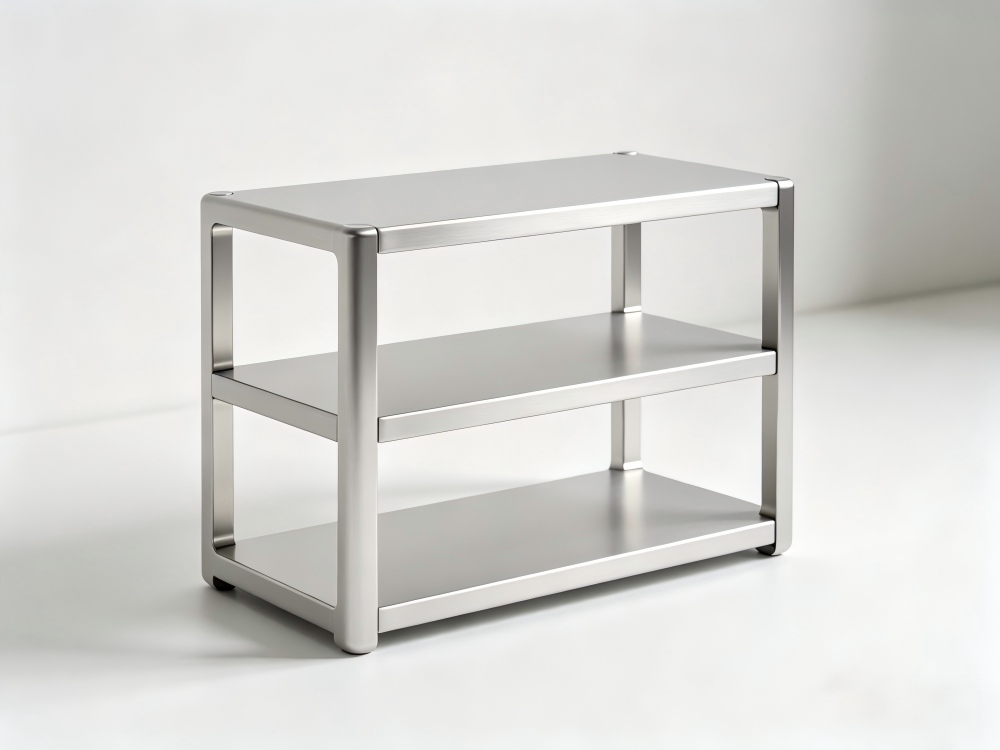
Materials Science and Core Advantages of Aluminum Shelves
The performance of aluminum and its alloys in kitchen environments is primarily determined by their surface physicochemical characteristics. According to The Aluminum Association, aluminum forms a dense oxide layer (Al2O3) immediately when exposed to air. This oxide layer provides a stable barrier against further oxidation and corrosion.
1. Corrosion Resistance Mechanism
Aluminum doesn’t propagate rust that is porous and therefore reduces structural integrity, unlike ferrous materials. In a common kitchen environment involving water vapor and neutral cleaning agents, aluminum can occupy a steady-state passive state. It helps reinforce the resistance to mild chemical exposure and salt-containing residues when the oxide layer is thickened and hardened by anodizing treatment. This allows the aluminum shelf for long-term use without structural degeneration.
2. Density and Mechanical Properties
From the engineering perspective, aluminium has a density of 2.70 g/cm³, while stainless steel measures approximately 7.93 g/cm³. This implies aluminium weighs about a third of stainless steel.
This lower density provides several engineering advantages:
- Reduced static load on walls and flooring
- Easier installation and repositioning
- Compatibility with lightweight construction materials such as prefabricated wall panels
For modern kitchens that prioritize modular design and flexible layouts, Aluminum shelves for kitchen provide clear advantages in terms of handling and installation efficiency.
3. Thermal Conductivity and Hygienic Properties
Aluminum has significantly higher thermal conductivity than stainless steel, approximately 10–15 times greater. This allows aluminum surfaces to quickly reach thermal equilibrium with the surrounding environment, reducing condensation formation.
Condensation control is important in kitchen storage because moisture accumulation promotes microbial growth. Laboratory studies indicate that aluminum surfaces lack the porous microstructure that supports bacterial and mold retention. This contributes to maintaining hygienic storage conditions, especially in regulated food preparation environments.
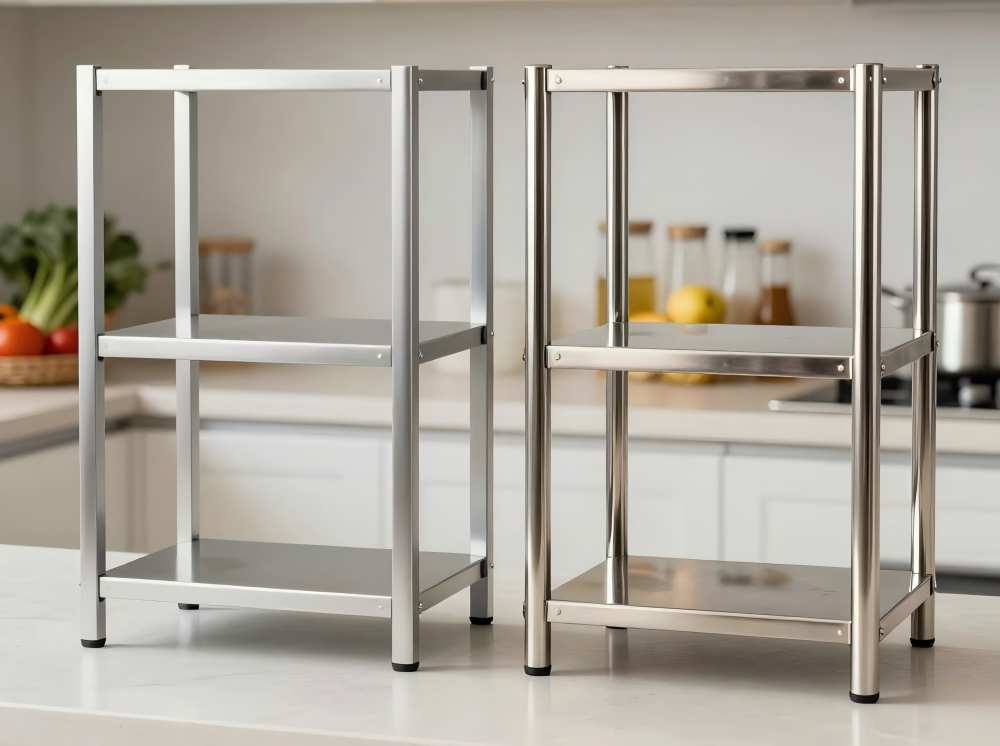
Quantitative Comparison: Aluminum Shelf vs Stainless Steel Shelf for Kitchen
To objectively evaluate these two materials, the following comparative analysis is carried out based on physical parameters and engineering application standards:
| Evaluation Indicators | Aluminum Shelf | Stainless Steel Shelf |
| Material Density | About 2.7 g/cm³ | About 7.9 g/cm³ |
| Corrosion Resistance Mechanism | Surface Passivation (Oxide Layer) | Alloy Elements (Chromium/Nickel/Molybdenum) |
| Thermal Conductivity | High (about 10-15 times that of stainless steel) | Low |
| Maintenance Frequency | Low (easy to wipe the surface) | Medium (need to prevent fingerprints and water scale) |
| Cost-Effectiveness Ratio | High (low raw material price and processing cost) | Medium (high price of high-quality alloys) |
Given that ASTM International standards, such as ASTM B209 for aluminum and ASTM A240 for stainless steel, stainless steel boasts superior resistance to deformation under very high mechanical impact conditions.
Yet, in a simple kitchen environment, subject in reality to only cutlery containers, pots, and provisions on shelves, the mechanical performance demanded with criticality is satisfied by the yield strength of aluminum alloys. Consequently, aluminum shelves in the kitchen are very well suited for most applications.
Application Analysis of Aluminum Shelves in Different Kitchen Environments
According to the classification of storage environments, the applicability of aluminum shelves for kitchen is as follows:
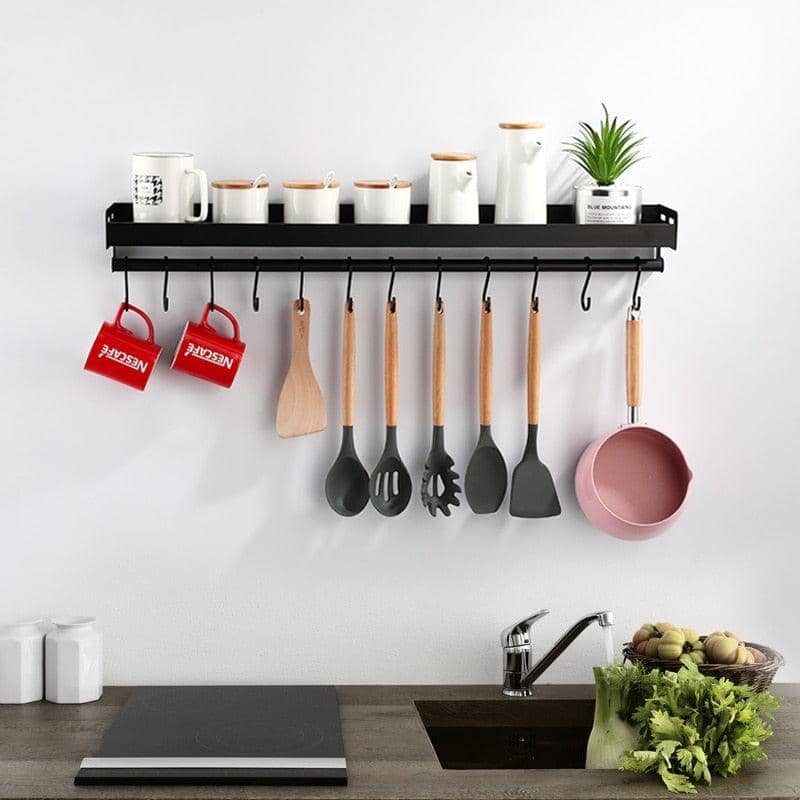
1. Residential Kitchens
In residential kitchens, storage requirements are generally lightweight and frequently adjusted. Flexibility and ease of installation are primary considerations.
The aluminum shelf is advantageous due to:
- Low weight, allowing easy installation and relocation
- Reduced labor cost during setup
- Surface finishing options, such as brushed or sandblasted textures that match modern appliances
For households that prioritize adaptability and cost-efficiency, aluminum kitchen shelves provide a practical solution.
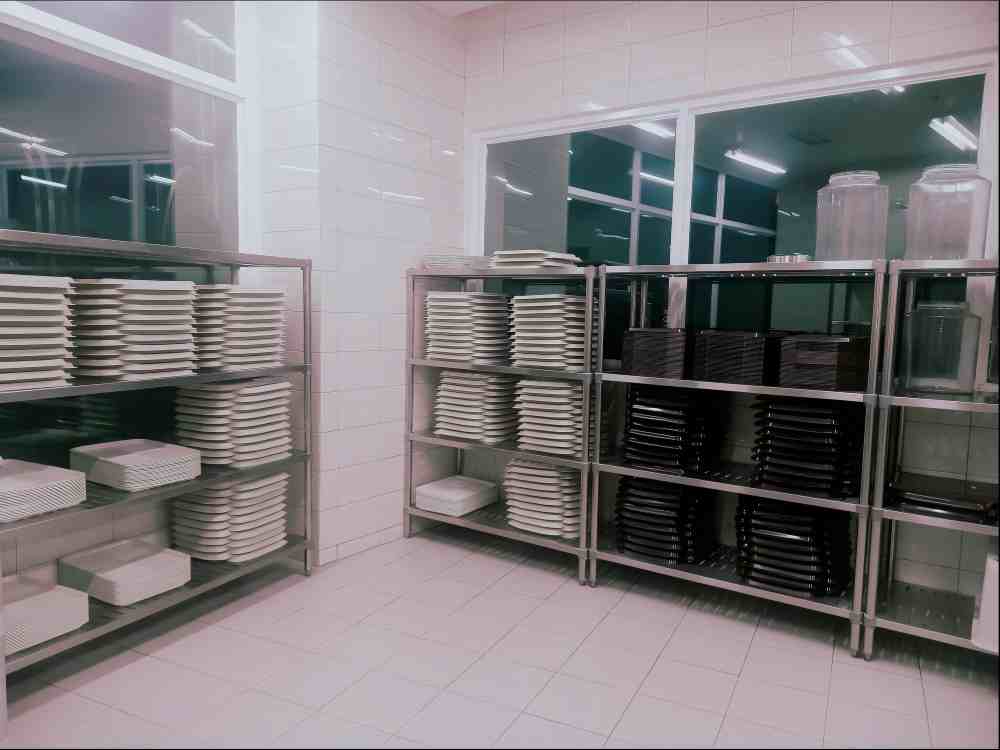
2. Commercial and Professional Kitchens
Commercial kitchens typically prefer stainless steel due to strict hygiene regulations and exposure to aggressive cleaning chemicals. However, aluminum shelves still have defined use cases.
In areas such as:
- Dry storage rooms
- Utensil staging zones
- Temporary storage sections
Anodized aluminum shelves for kitchen offer:
- Lower procurement cost compared to 304 stainless steel
- Adequate corrosion resistance in non-acidic environments
- Faster deployment in large-scale kitchen setups
For budget-controlled operations, aluminum shelves serve as a cost-effective alternative without compromising basic performance requirements.
Maintenance and Care Specifications
Overlooking the impairment of the oxide film is the real thing that extends the life of aluminum racks. In view of the nature of the material, the following suggestions are possible:
- Cleaners: Just remember to use cleaning agents with a neutral pH. Great quantities of strong alkali or acid reactants can shine off the oxide layer and lead to discoloration or pitting of the surface.
- Mechanical cleaning: Keep away from abrasive tools like steel wool. As aluminum is less hard than stainless steel, inappropriate cleaning can result in permanent scratches. Soft fabric or microfiber is beneficial.
- Periodic Check-Up: Fasteners and angles should be monitored from time to time. Almost totally immune to corrosion, it is advised to insert stainless steel fasteners in humid conditions within galvanic corrosion. It is advisable to create an insulating washer to shield against galvanic corrosion.
Procurement Standards and Decision Indicators
When selecting aluminum shelves for kitchen, the following technical parameters should be verified:
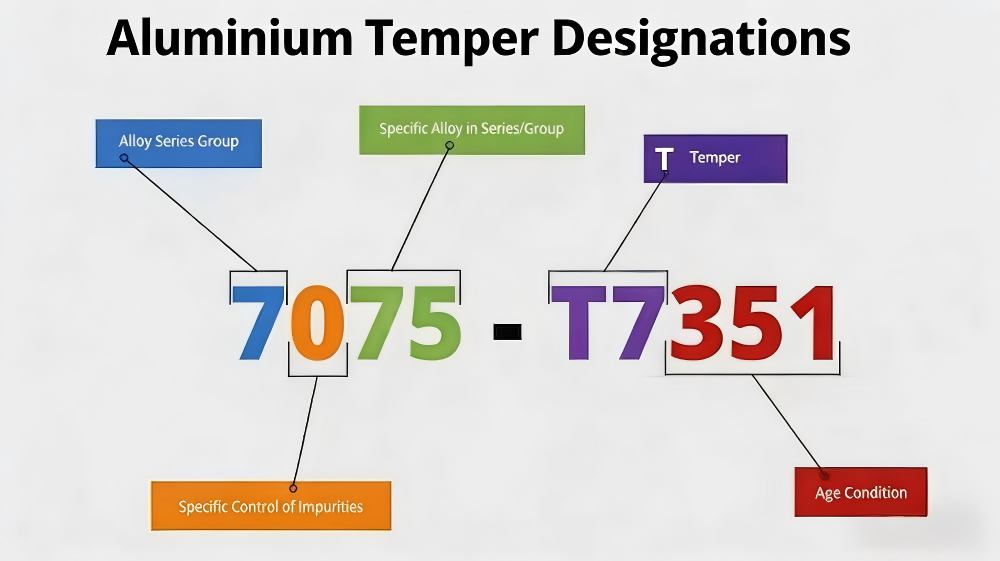
1. Alloy Grade
Preferred alloys include:
These alloys provide a balanced combination of strength, corrosion resistance, and manufacturability.
2. Anodizing Thickness
The oxide layer thickness should be at least 10–15 microns for both residential and commercial applications. Suppliers should provide certified anodizing data.
3. Load Capacity Certification
Evaluate uniformly distributed load (UDL) test reports. Structural capacity should be verified through mechanical testing rather than assumed based on material type.
4. Surface Treatment
Options include:
- Anodizing for enhanced corrosion resistance
- Powder coating for additional physical protection
Powder coating creates an extra barrier layer, improving durability in environments with higher moisture exposure.
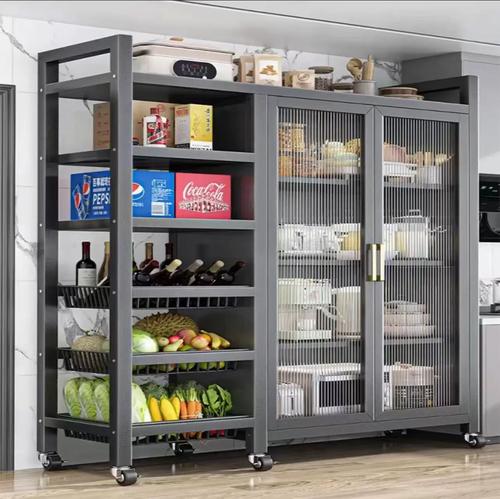
Drawing from the analysis given above, the aluminum shelf appears to provide a better weight-per-strength ratio, resistance to corrosion, and satisfactory price conditions to be the most significant material choice for modern kitchenware. When it comes to extremes of mechanical attack or highly caustic/acidic environments, the Stainless steel shelf for kitchen has specific material advantages, while standard and properly processed aluminum shelving satisfies all operating and durability requirements basic to the majority of residential and commercial kitchen storage scenarios.