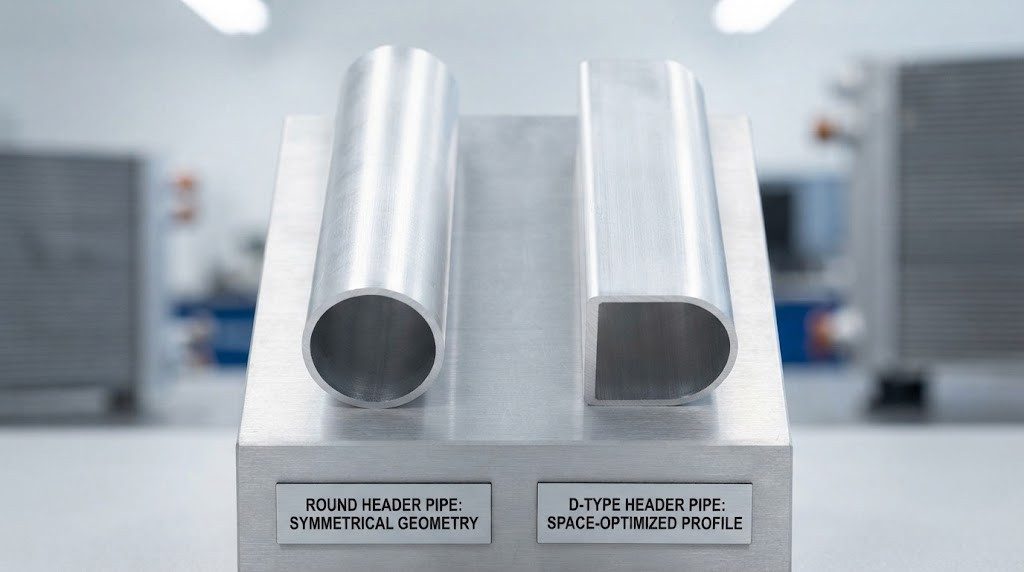
Deciding on the shape of the aluminium tube for heat exchanger design is clearly a little more complicated than simply chucking a tube into free space. The cross-section affects where the fluids go, how much surface area is available to transfer heat, how much pressure drop occurs, the stability of tubing sections, and how sections are put together.
Round, rectangular, flat, and multi-channel options are available, each with its individual design and added value. It all comes down to how the heat exchanger is structured and operated, and, in some way, to manufacturing considerations. In this guide, we will step you through choosing the proper aluminium tube shape with real-world engineering in mind.
The Importance of Aluminium Tube Shape in Heat Exchanger Design
The shape of an aluminium tube affects several aspects of heat exchanger performance:
- Heat transfer area: The shape of the tube influences the area for heat exchange.
- Fluid flow: Cross-section geometry affects flow velocity, flow smoothness, and pressure loss.
- Strength: Wall shape and thickness affect resistance to internal pressure and external forces.
- Space usage: Various shapes are better suited for certain arrangements and types of equipment.
- Production feasibility: Certain profiles demand more complex extrusions and closer dimensional tolerances.
An ideal tube shape must be a compromise of thermal, flow, and mechanical requirements, and ease of manufacture.
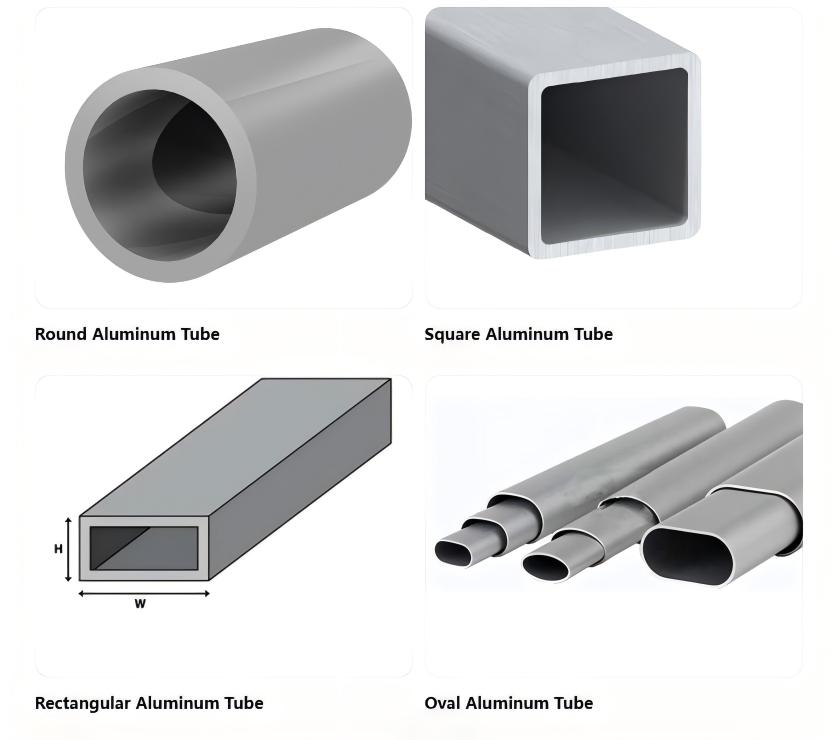
Popular Heat Exchanger Aluminium Tube Shapes
Different aluminium tube shapes are for different heat exchanger configurations. Engineers use their knowledge of these properties to narrow down the options.
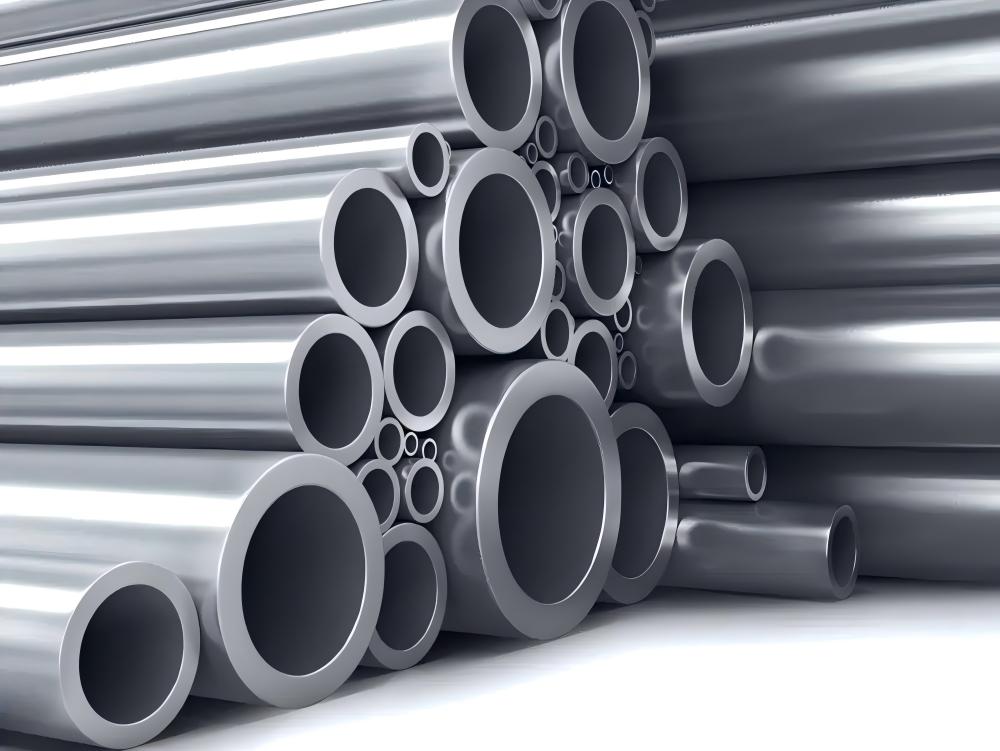
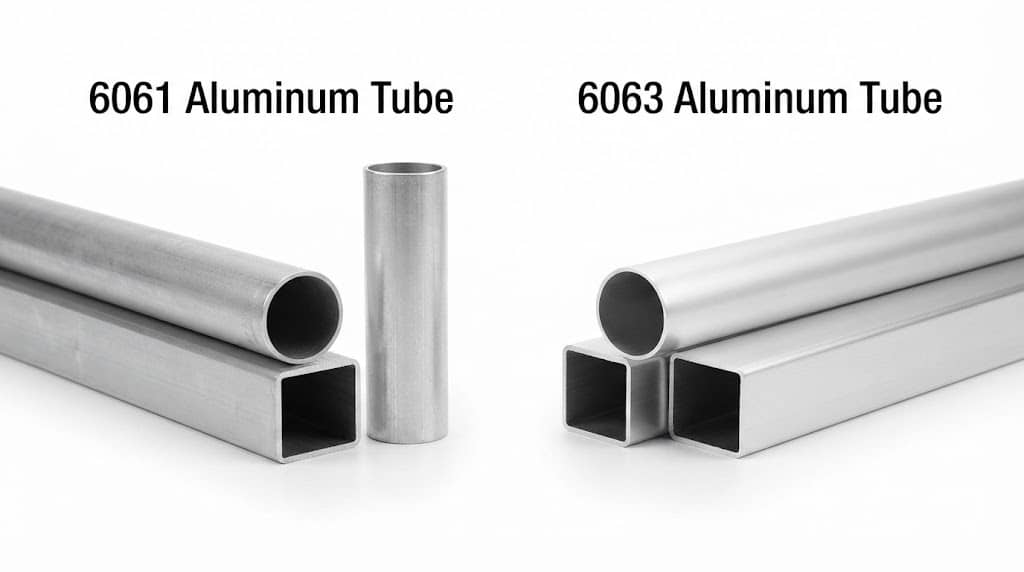
1. Aluminium Round Tubes
Shell and tube conventional heat exchangers use round aluminium tubes. Circular cross-sections ensure uniform geometry around the tube’s circumference. They are appropriate for traditional tube connections and tube-sheet geometries.
The most important factors are:
- Tube diameter and wall thickness.
- Pitch between tubes.
- Methods of jointing and sealing.
- Flow function and pressure.
If you like traditional piping connections and tried-and-true methods of assembly, round tubes are your best bet.
2. Aluminium Rectangular Tubes
Rectangular aluminium tubes can help when the equipment layout and available installation space are big concerns. Flat sides can help in some mounting and packaging configurations. However, corner geometry and wall thickness must be carefully considered.
Common applications include application-specific industrial cooling systems and small thermal assemblies.
Engineers should consider joining techniques, flow distribution, dimensional stability, and corner stress before choosing this profile.
3. Flat Aluminum Tubes
Flat aluminium tubing is a more common consideration in closely coupled heat exchangers within a limited envelope. Their wider/flat cross-section allows for different arrangements of heat transfer surfaces within a limited envelope.
Important design considerations include:
- Width-to-height ratio.
- Internal flow path.
- Wall thickness uniformity.
- Brazing and joining compatibility.
- Resistance to deformation under operating loads.
Flat tubes should be evaluated as part of the complete heat exchanger assembly rather than as isolated components.
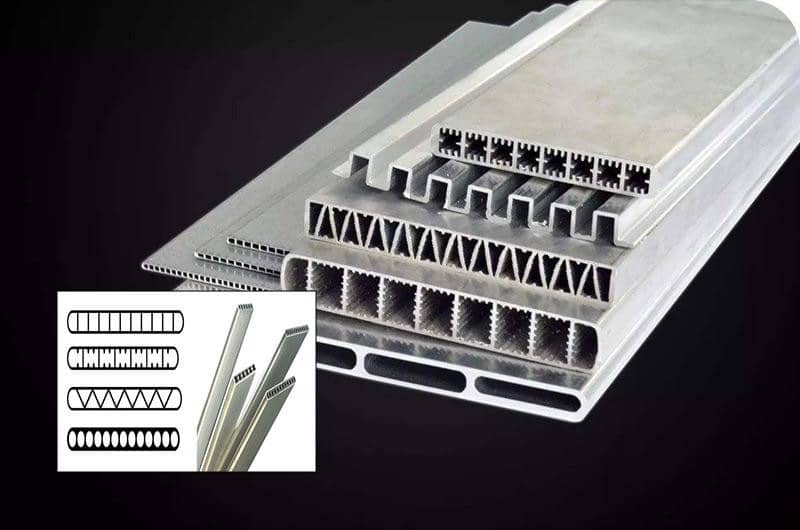
4. Multi-Channel Aluminum Tubes
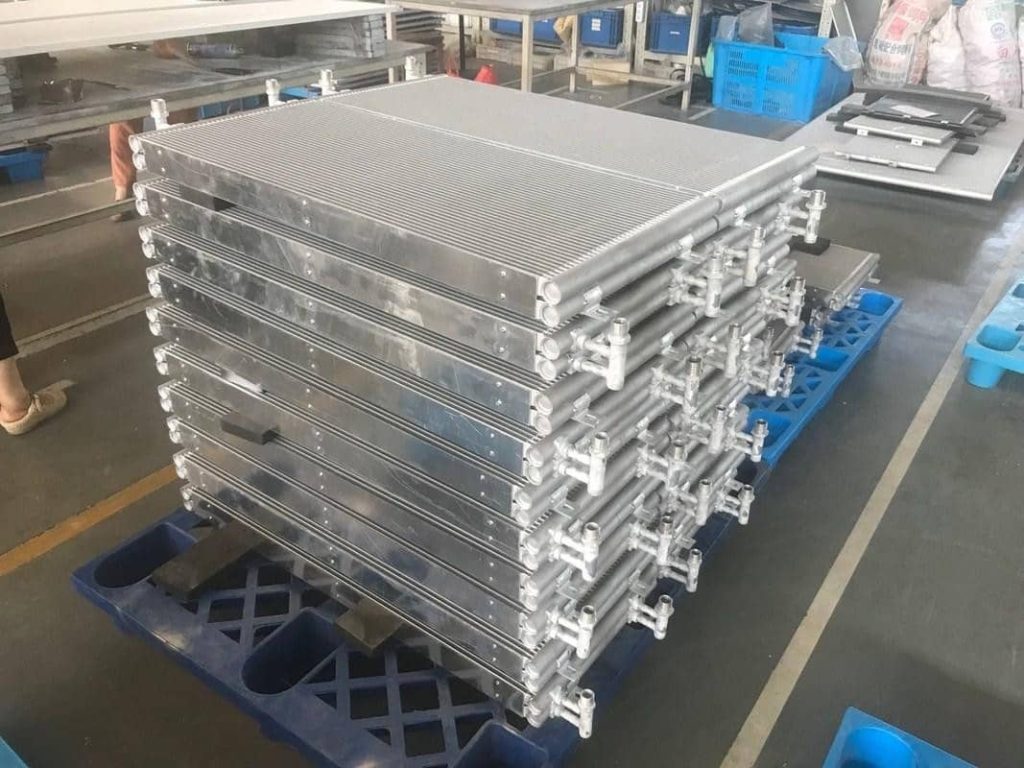
Multi-channel aluminium tubes feature multiple internal channels separated by walls. They contain fluid in multiple parallel channels in one extrusion. They may be useful in fine thermal management where flow and packaging efficiency need to be distributed across multiple channels.
Engineers need to consider manufacturing tolerances, flow balancing, inner wall consistency, and channel geometry.
For more information on this product category, check out CHAL’s Aluminum Micro-Channel Tube solutions and our guide, How to Select the Right Aluminum Micro-Channel Tube.
Matching Aluminum Tube Shapes with Heat Exchanger Types
The right aluminum tube shape for heat exchangers depends on the equipment configuration and its operating requirements.
| Heat Exchanger Type | Potential Tube Shapes | Main Design Considerations |
| Shell-and-tube | Round | Tube-sheet connections, pressure, maintenance |
| Compact heat exchanger | Flat, multi-channel | Packaging space, flow distribution |
| Automotive heat exchanger | Round, flat, multi-channel | Weight, vibration, assembly space |
| Industrial cooling system | Round, rectangular | Installation, connections, service access |
| Custom thermal equipment | Round, rectangular, special profiles | Equipment layout and custom requirements |
These are general design directions, not fixed rules. Actual tube selection depends on fluid properties, temperature, pressure, flow rate, and the complete exchanger configuration.
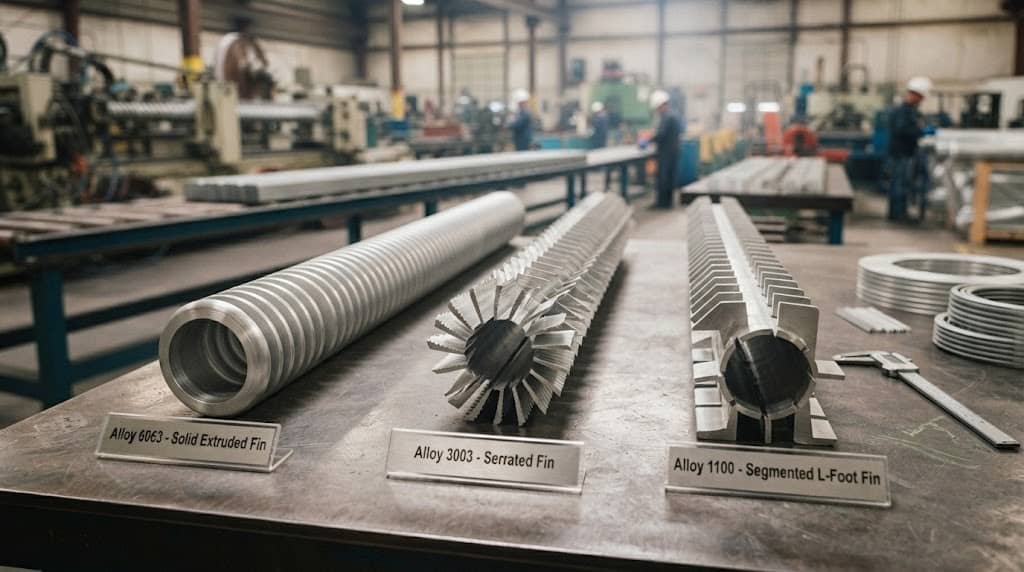
For systems using finned tubing, tube geometry must also be coordinated with the fin arrangement and joining process. See CHAL’s article on How to Specify Aluminum Finned Tubes for related design considerations.
Five Factors to Consider When Selecting Aluminum Tube Shapes
Choosing an aluminium tube shape involves more than just evaluating outside dimensions. The following helps engineers make a practical decision.
1. Heat Transfer Requirements
Start from the required heat duty and the available space in the installation. Consider also the actual heat transfer surface area, thickness of the tube wall, fluid-side conditions, and the tube layout in the exchanger.
More outside surface area does not always translate to better transfer of heat. Overall performance also depends on the overall exchanger design, thermal resistance, and flow conditions.
2. Fluid Flow and Pressure Drop
Tube shape affects the way fluid moves through an internal passage. Review:
- Flow velocity and volumetric flow rate.
- Internal cross-sectional area.
- Hydraulic diameter.
- Flow distribution between passages.
- Pressure drop across the system.
Do not compare tube shapes using cross-sectional area alone. Hydraulic diameter and fluid properties also influence flow behavior.
3. Operating Pressure and Structural Strength
The tube must withstand its intended operating environment. Evaluate internal pressure, external loads, vibration, fatigue, wall thickness, and material properties.
The selected tube geometry must satisfy the applicable design and safety requirements. For further guidance, refer to CHAL’s article on Aluminum Tube Pressure Rating.
4. Installation Space and Assembly
The tube shape should fit the equipment layout without creating unnecessary assembly problems. Check connection positions, tube spacing, mounting arrangements, accessibility, and compatibility with brazing or welding processes.
For compact equipment, the available width and height may be just as important as the tube’s flow capacity.
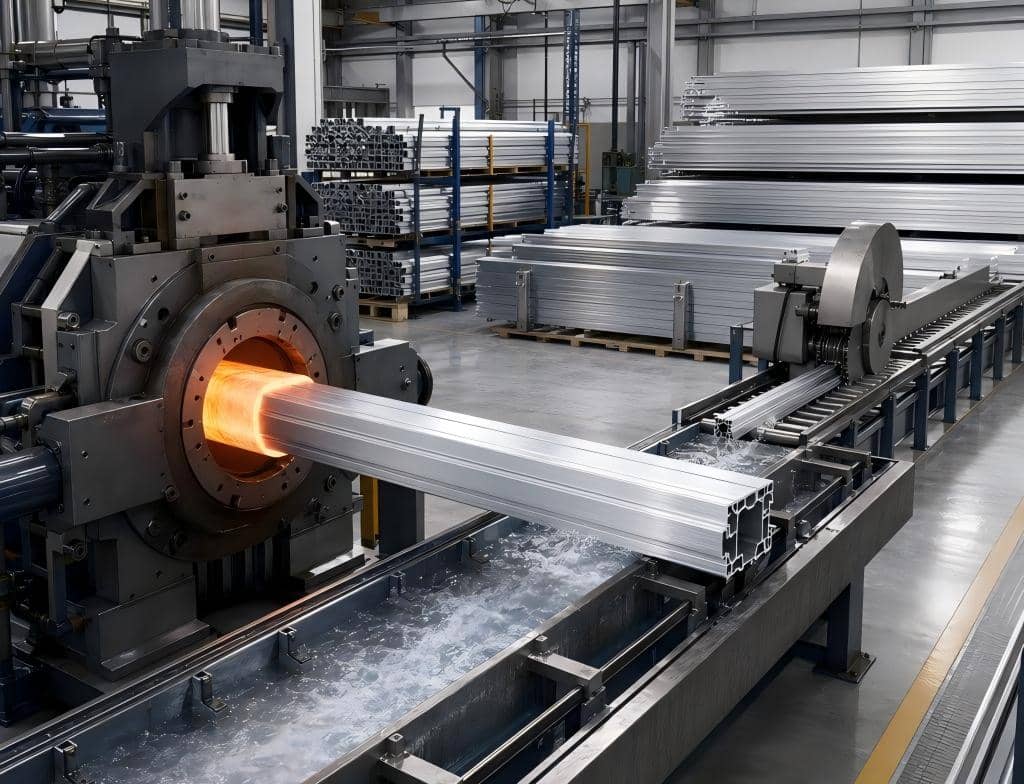
5. Manufacturing Feasibility
A technically suitable profile must also be practical to manufacture.
Important considerations include:
- Extrusion die complexity.
- Wall thickness distribution.
- Dimensional tolerances.
- Internal passage consistency.
- Secondary machining and joining.
- Production volume and tooling cost.
A custom cross-section may offer design advantages, but its feasibility should be reviewed before finalizing the design.
Custom Aluminum Tube Shapes for Specialized Heat Exchanger Designs
Standard round, rectangular, and flat profiles do not meet every equipment requirement. For specialized applications, custom aluminum extrusion tubes can be designed around specific space constraints, flow paths, and assembly requirements.
Possible customization options include:
- Non-standard width and height.
- Customized wall thickness.
- Multiple internal passages.
- Special cross-sectional geometry.
- Selected aluminum alloys and tempers.
- Cutting, machining, and secondary processing.
However, complex profiles require careful die design and extrusion feasibility assessment. Thin walls, uneven material distribution, and narrow internal passages may increase manufacturing challenges.
CHAL provides aluminum extrusion solutions for different industrial applications. Explore our Extruded Aluminum Tube products to learn more about available shapes and customization options. When requesting a custom profile, provide a cross-section drawing, dimensions, alloy requirements, operating conditions, and estimated order quantity.
Aluminum Tube Shape Selection Checklist
Before confirming an aluminum tube design, review the following information:
| Selection Item | Information to Confirm |
| Heat exchanger type | Shell-and-tube, compact, or custom |
| Fluid type | Water, air, refrigerant, or other fluids |
| Tube shape | Round, rectangular, flat, or multi-channel |
| Dimensions | Diameter, width, height, and wall thickness |
| Operating conditions | Pressure, temperature, and flow rate |
| Material | Aluminum alloy and temper |
| Manufacturing | Extrusion, bending, brazing, or welding |
| Quality requirements | Tolerances, inspection, and surface quality |
The optimised aluminium tube shape is one that meets the thermal, hydraulic, structural, and manufacturing needs of the overall system. Working with an experienced aluminum tube manufacturer early on can save you from redesign and manufacturing limitations.
If you are designing a new heat exchanger, send your designs and specs to CHAL to discuss a possible aluminium tube solution.
Frequently Asked Questions
Q1: What is the best shape of aluminium tube for heat exchangers?
There is no one “best” shape. Round tubes are often used in shell-and-tube designs, while flat and multi-channel profiles are common in compact systems. The final choice depends on exchanger design and operating conditions.
Q2: Are rectangular aluminium tubes used for heat exchangers?
Yes. They might be used in custom thermal facilities to solve installation space and structural arrangement problems. Flow characteristics and pressure limits should be evaluated.
Q3: Are flat aluminium tubes superior for heat transfer?
Not by default. Their geometry can allow compact packaging, but heat transfer is dependent on fluid flow, surface area and wall thickness, as well as the full exchanger configuration.
Q4: Does aluminium extrusion allow for custom heat exchanger tube shapes?
Yes, custom hollow and multi-channel profiles can be extruded depending on cost-effective die design, material, size, and manufacturability.