Why 2026 Is a Turning Point for the Global Aluminum Market?
Global aluminum market has been defined by cycles for many years. Periods of high prices triggered capacity expansion, which was eventually followed by oversupply, falling margins, and production cuts. However, as the industry approaches 2026, this familiar rhythm has fundamentally broken down.
Today, the aluminum market is no longer shaped by short-term demand fluctuations but by structural constraints that limit supply growth regardless of price signals. As a result, 2026 is widely recognized by producers, traders, and analysts as a “gap year”—a historic inflection point when persistent supply shortages collide with surging demand. This shift explains, at a fundamental level, why aluminum prices are rising in 2026 and why elevated premiums are becoming the new normal.
From Cyclical Aluminum Price Volatility to Structural Supply Shortage
Traditionally, aluminium has been seen as a cyclical metal. People just build more smelters when the price is high and smoothly shut down their equipment when the price crashes. The success of such a system lies in the fact that it is necessary to increase the production volumes when the profitability is sufficient.
However, this assumption no longer holds.
The modern aluminum industry is constrained by three major factors:
- Energy supply
- Carbon emissions and environmental regulations
- The capacity limit stipulated by the policy
These factors combined have transformed aluminium from a flexible industrial commodity into a structurally constrained material. Unlike previous cycles, merely maintaining high prices is no longer sufficient to drive the rapid expansion of supply.
China’s Aluminum Capacity Cap: Why Global Supply Growth Is Locked
The 45-Million-Ton Aluminum Capacity Ceiling in China
More than half of primary aluminum is produced in China. Thus, the policy regime governing this sector is identified as the most important factor in global supply. In recent times, Beijing has set restrictions on electrolytic aluminum capacity at the level of 45 million tons for many years.
By early 2026, China’s operating capacity will be approaching 44 million tons, with utilization rates near technical limits. In practical terms, this means:
- New greenfield aluminum smelters are almost impossible to approve
- Capacity replacement projects face stringent “decommission first” requirements
- Supply growth is capped regardless of domestic or global demand
This policy effectively removes China’s historical role as the global aluminum market’s swing supplier.
Carbon Neutrality Policies and Aluminum Capacity Replacement Limits
Under China’s carbon neutrality commitments, aluminum—one of the most energy-intensive industrial materials—faces exceptional scrutiny. High-emission smelters must shut down before cleaner capacity can be introduced, and even those replacements often deliver no net increase in output.
Additionally, the aluminum supply sources from China have grown inelastic. Even the increased cost would fail to trigger enhanced production, proving very profitable globally and causing a shortage that tightens the availability of such products as aluminum billet downstream.
Energy Costs and Power Shortages: A Hidden Constraint on Aluminum Production
Why Electricity Costs Matter in Aluminum Smelting?
Electricity supplies 30–40% of the costs required to produce aluminum, with power input to smelters being of utmost importance. Without cost-efficient long-term electricity taken into account, production of aluminum becomes economically unviable.
This vulnerability has become increasingly visible in Europe and North America, where energy markets remain tight and volatile.
AI Data Centers vs Aluminum Smelters: Competing for Power
One of the most influential factors that directly affects aluminum marketing has been the proliferation of new AI datacentres. They are the kind of facilities that consume a considerable amount of energy and can pay for electricity at 2 or 3 times that of aluminum smelters can afford.
Utilities naturally prioritize higher-paying customers, leaving aluminum producers without access to affordable electricity. As a result, many smelters are technically operational but unable to restart—creating what the market increasingly refers to as “paper capacity.”
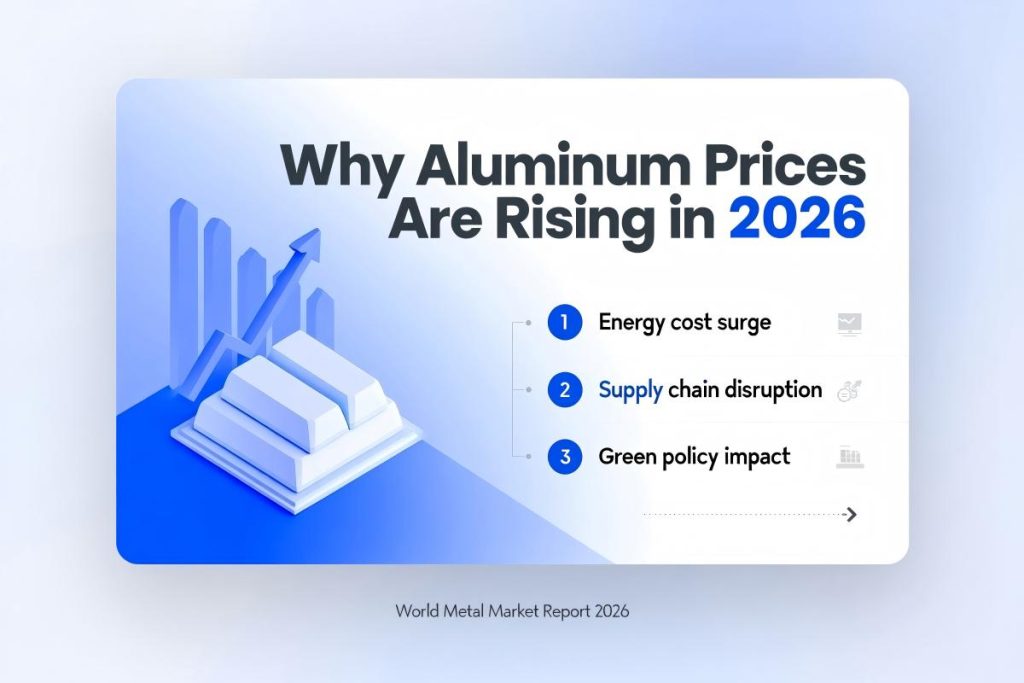
Why Aluminum Prices Are Rising in 2026: Supply Signals from the Market?
What causes the steep increase anticipated in the price of aluminum by 2026 is not the result of gambling, nor is it a sudden increase in consumption, or the like. To the contrary, it is the rational behavior of the market, referring to supply and demand in an equilibrium framework.
The current price movement results from actual material shortages, which differ from previous price increases that occurred due to economic cycles or temporary inventory decreases. The aluminum value chain shows multiple indicators that demonstrate that supply fails to meet demand, while the market has already recognized this situation.
LME Aluminum Price Forecasts Reflect Structural Tightness
Major investment banks and commodity research institutions have revised their aluminum price outlooks upward for 2026. The first half of 2026 will show projected average prices between USD 3,150 and USD 3,400 per metric ton. The forecasts gain their importance from their underlying reasons instead of their predicted price values.
Analysts are no longer assuming that higher prices will unlock new production. Instead, their models explicitly recognize that:
- Global smelter capacity is constrained by power availability
- China’s aluminum production ceiling prevents meaningful supply expansion
- Environmental and permitting barriers delay or cancel new projects
In previous cycles, similar price levels would have triggered aggressive restarts and greenfield investments. In 2026, these responses are largely unavailable. As a result, elevated prices are not expected to self-correct quickly, reinforcing the market’s bullish bias.
Aluminum Backwardation Confirms Immediate Physical Shortage
Backwardation operates as the most dependable market indicator, which shows actual supply constraints. The LME aluminum curve has shown multiple instances of backwardation from late 2025 until the beginning of 2026.
This pricing structure sends a clear message: buyers are willing to pay a premium for immediate delivery rather than wait for future supply. Backwardation typically emerges when:
- Warehouse inventories are critically low
- Deliverable material is scarce
- Consumers face operational risks from delayed supply
Backwardation today exists as a permanent market condition that shows ongoing physical constraints for regionally delivered aluminum and its downstream products, including aluminum billet.
Aluminum Billet Shortage: Where Supply Constraints Hit the Processing Sector
Why Aluminum Billet Supply Is Tightening?
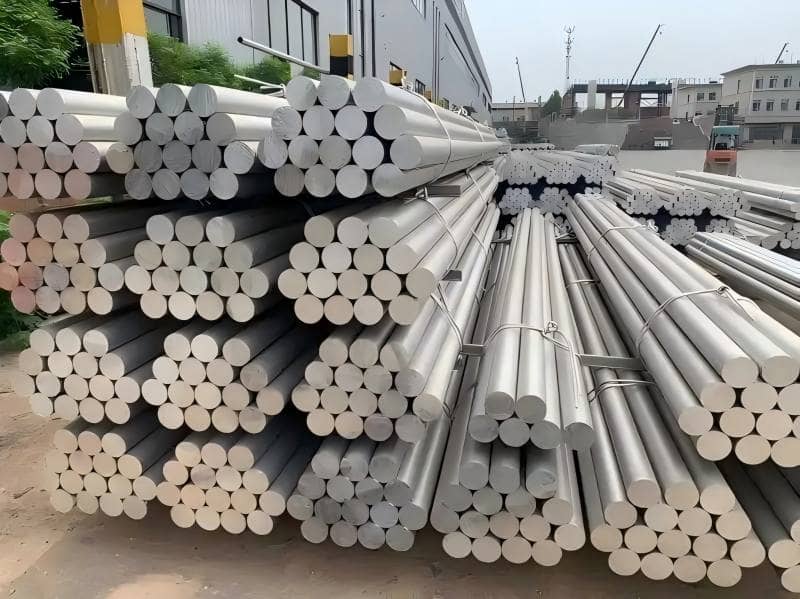
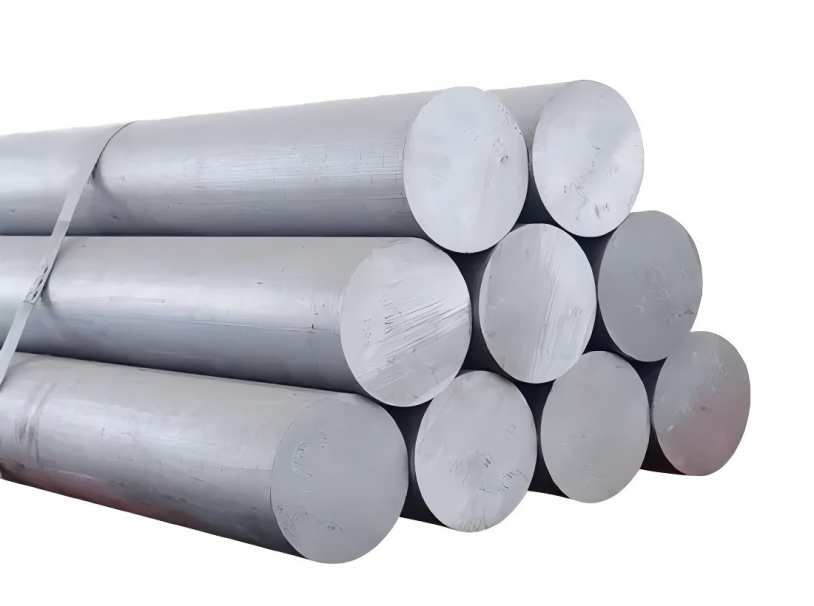
Primary aluminum shortages create a domino effect, which begins with the aluminum billet market. The production of billets requires a consistent supply of molten aluminum, which becomes more difficult to obtain when smelters decrease their production or experience power limitations.
In early 2026, aluminum billet premiums experienced sharp volatility due to:
- Reduced billet casting volumes
- Competition between rolling mills and extrusion plants
- Minimal buffer inventories across regions
6xxx Series Aluminum Billet Becomes a Strategic Resource
The 6xxx series aluminum billet shortage reaches extreme levels because this material serves vital functions in construction, transportation, and industrial extrusion processes. Some extrusion plants have reduced operating rates not because of weak demand but due to inconsistent billet availability.
As billet supply tightens, premiums rise, reinforcing upward pressure throughout the aluminum value chain.
Aluminum Is Becoming an Energy-Constrained Industrial Asset
The current market environment has redefined aluminum’s role in the global economy. Aluminum prices are now closely linked to:
- Power generation capacity
- Electricity market regulation
- Carbon pricing mechanisms
- AI-driven electricity demand growth
The transition changes aluminum from its traditional metal properties because it now behaves like an energy-restricted material. The supply elasticity reduction has resulted in slower price corrections that now occur with less intensity than past market cycles.
What Structural Aluminum Shortages Mean for Buyers and Investors?
Structural aluminum shortages in 2026 fundamentally change market dynamics for all stakeholders.
Implications for Aluminum Processors and Manufacturers:
- Securing stable aluminum billet supply becomes more critical than short-term price negotiation
- Long-term contracts and supplier diversification gain strategic importance
Implications for Traders and Distributors:
- Physical inventory carries increased value
- Regional premiums may diverge significantly from LME benchmarks
Implications for Investors:
- Aluminum is no longer purely cyclical
- Structural shortages support long-term price resilience
In short, 2026 marks a shift from a cyclical aluminum market to one defined by supply scarcity, energy limits, and strategic sourcing needs.