The modern architectural landscape is increasingly being characterized by the practicality and effectiveness of the architectural envelopes. An aluminum curtain wall is an external cladding system that is not part of the load-bearing structure and is intended to keep the weather outside while being a light, beautiful coating at the same time. Such systems are typically comprised of a curtain wall, a structure of aluminum that produces the grid, and a frame of aluminum glass curtain wall incorporating clear or opaque infill panels. As we move into 2026, all three are increasingly used for their efficiency in energy and easy accessibility for taller buildings and commercial projects. This paper will assess the market of 2026, the plight of unitized and assembled systems, and the transformation in the manner in which the global supply chain operates.
Global Aluminium Curtain Wall Market Analysis (2025-2026)
1. Market Size & Overall Growth
Projections for the year 2026 mean the worldwide industry for aluminium curtain walls will increase to an amount ranging from $35.2 billion to $41.2 billion. This boost revolves around Compound Annual Growth of between 6.4%-9.2%. Geographical distribution suggests the biggest section of the curtain walls market lies in Asia-Pacific, making a 49%-54% of its sales. Europe follows with 23%, while North America represents 15%. In terms of application, commercial buildings remain the dominant sector at 58% to 73.5%, followed by public buildings at 29% and residential projects at 13%.
2. Type Segmentation: Unitized vs Stick-built
The market is divided into two primary installation types:
- Unitized (Prefabricated) Systems: The share of this market currently ranges from 61% to 63%. These systems are pre-assembled in the factories, so the installation takes 40% to 50% less time compared to conventional methodologies. Such systems are noted for their high quality and rigidity, and are the recognized standard for objects like super skyscrapers.
- Stick-built Systems: They cover 37% of the total market and are, however, losing the predominant position especially fast owing to the projects of lesser scope and height, including remodeling and bespoke single-storey structures.
The industry uses aluminium curtain wall as a term for all; however, aluminum frame curtain wall specifically represents the structural support. An aluminum glass curtain wall is a term for the glass and frame being bonded together.
Unitized & Prefabricated Aluminium Curtain Wall: Dominance & Trends
1. Core Drivers of Market Leadership
There are clear reasons why unitized systems will still be the preferred system in 2026:
- Labor Shortage Solution: Constructing units in factories significantly lessens the need for on-site manpower, hence mitigating the shortage of skilled construction population worldwide.
- Speed & Efficiency: When unitized systems are used, the scaled construction periods lessen by more than 30%, hence making it the preferred type of development for large-scale buildings.
- Quality & Performance: Units put together in a controlled environment have higher airtightness, watertightness, and resistance to wind pressure in comparison to vertical Aluminium stick system installations.
- Cost Control: Prefabrication defeats weather delays and also reduces the risks of on-site rework, so cost correction in the life cycle can be well managed.
2. 2026 Key Trends
The innovations in this industry revolve around digitalization and aesthetics. The modular construction, as well as off-site prefabrication technology, has developed as a result of the application of BIM and digital fabrication, hence achieving greater precision. There is an increasing need for thin-section aluminum framed curtain walls that allow for unobstructed views and increased transparency. In addition, high-performance aluminum glass curtain walls are increasingly being constructed with the help of Low-E coating, triple glazing, and BIPV.
3. Application Focus: High-rise Construction
The market share held by unitized systems for buildings taller than 200 meters is over 70%. Prefabrication is the only possible choice for tall buildings due to issues of safety, standardization, and speed of installation along the vertical direction.
Aluminium Curtain Wall Supply Chain Analysis 2026
1. Upstream: Aluminium Raw Material & Extrusion
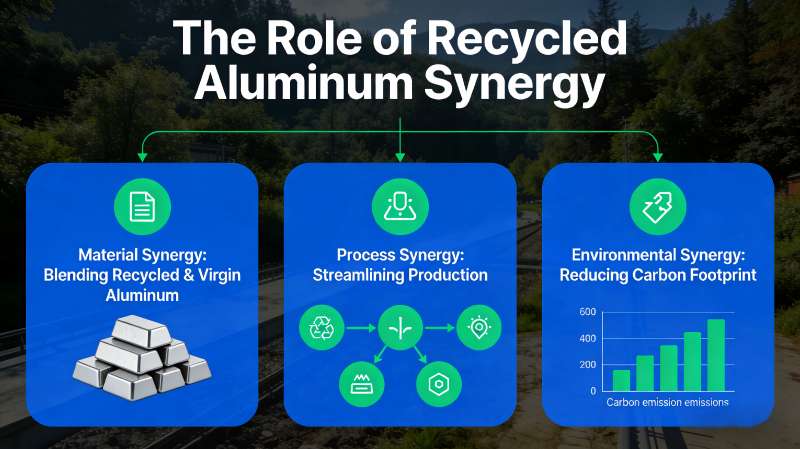
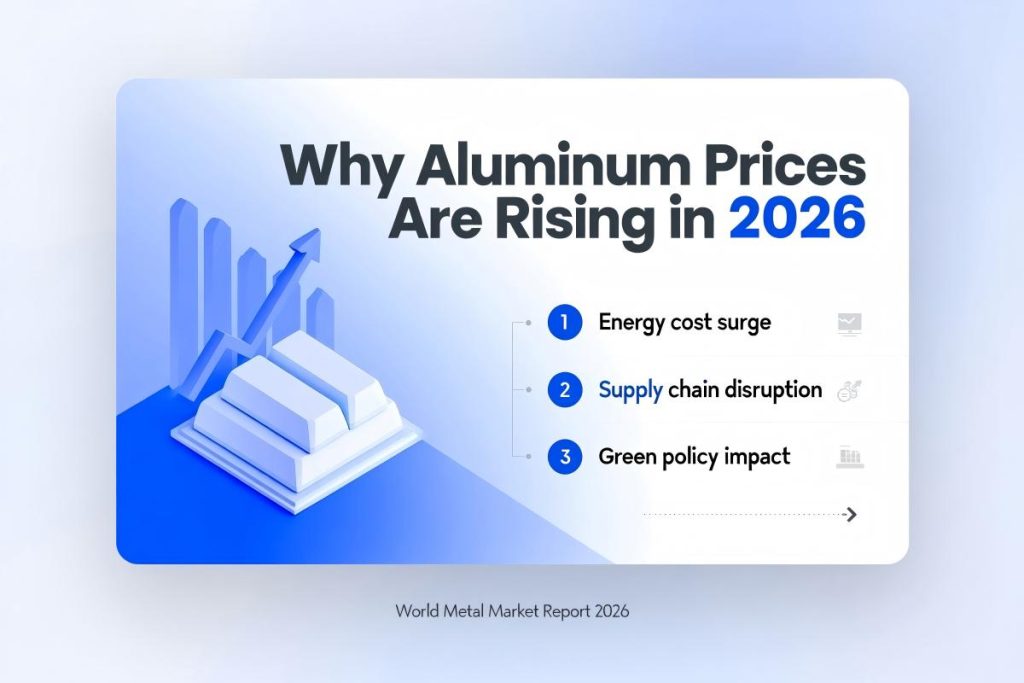
The supply of raw materials is currently influenced by production caps on electrolytic aluminum and reduced output in Europe, leaving the Asia-Pacific region as the primary global producer. In 2026, aluminum prices have seen an increase of 12% to 18%, creating significant cost pressures across the industry. To mitigate this, there is a rising share of recycled aluminum in the supply chain to meet low-carbon requirements.
2. Midstream: Fabrication & System Integration
Midstream operations involve the transformation of aluminum profiles into finished wall units. Unitized production now features a factory prefabrication rate of over 85%. The core supply chain flow includes:
- Aluminum profile extrusion
- Surface treatment (such as fluorocarbon spraying)
- Integration of glass and hardware components
- Final assembly into modules
- Logistics to the construction site
The aluminum frame curtain wall serves as the structural foundation, while the aluminum glass curtain wall represents the completed, integrated unit.
3. Downstream: Installation & Project Demand
Hoisting equipment in unitized systems is present in place, with an installation pace of one story in 3 to 5 days. There are three main industries that drive the demand: commercial building development, urban renewal efforts, and energy-saving renovations for old buildings.
4. Supply Chain Challenges & Resilience
The industry faces risks, including price volatility, high shipping costs, and trade barriers such as Section 232 tariffs in the United States. Companies are responding by establishing localized production capacity, utilizing recycled aluminum, and entering long-term price-lock agreements to ensure a circular and resilient supply chain.
Future Outlook 2026-2030
1. Market Projections
By 2030, the unitized system is estimated to account for 65% to 68% of the market share, with stick-built construction giving way to it. Long gone will be the days when sustainability was something to be considered. It will become a necessity with an emphasis on embodied carbon and recycled materials that are low in composition. In addition, enhanced by AI-based building modelling, smart glass will be much more common in the future.
2. Technology & Innovation
The future aluminum glass curtain walls will incorporate electrochromic glass and have better energy savings features. In regard to the aluminum frame curtain wall, there is an improvement in the development of thermal breaks, extremely slim frames, and durable alloys. The sector is embracing the idea of the circular economy, which focuses on systems that can be easily dismantled and recycled.
FAQ
Q1: What is a unitized aluminium curtain wall?
A1: It is a prefabricated facade system where large glass and frame units are assembled in a factory before being transported to the site for installation.
Q2: Why is the unitized system dominant in high-rise construction?
A2: It offers higher safety, faster installation (3-5 days per floor), and superior performance in extreme wind and weather conditions typical of tall buildings.
Q3: Calculate the market share of unitized vs stick-built curtain walls in 2026.
A3: The unitized systems’ market share will be 61-63%, whereas stick-built curtain walls have about 37% of the market.
Q4: How does the supply chain affect aluminium curtain wall cost?
A4: Fluctuations in raw aluminum prices (up 12%-18% in 2026), shipping costs, and trade tariffs directly impact the final project cost.
Q5: What is the difference between an aluminum frame and an aluminum glass curtain wall?
A5: The aluminum frame refers specifically to the metal structural grid, whereas the aluminum glass curtain wall refers to the integrated system of the frame and glass panels. ness high aluminum premiums and a deepening practice of integration with recycled metals until these conditions hold firmly.