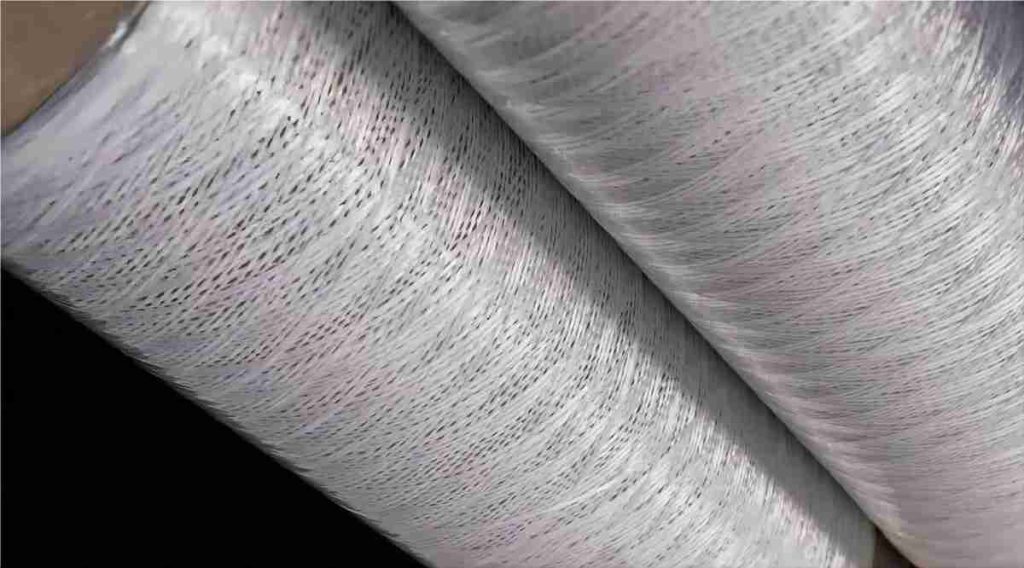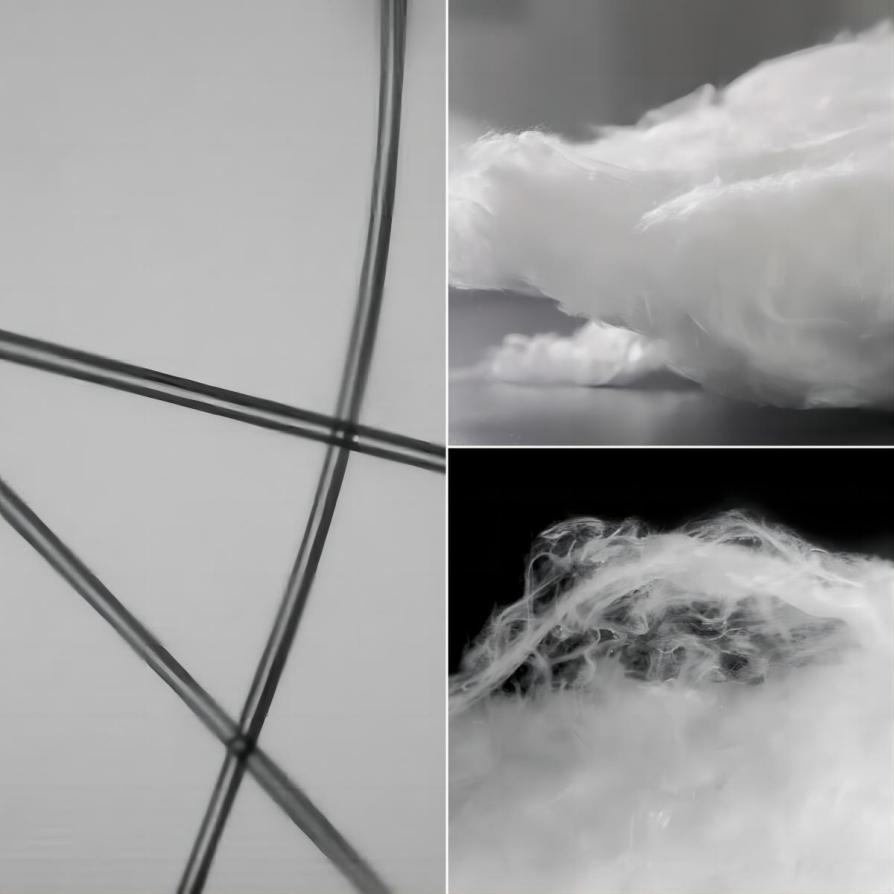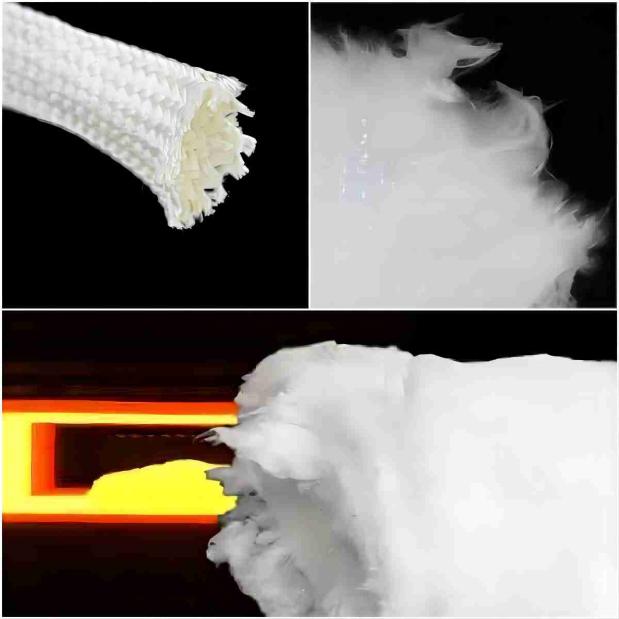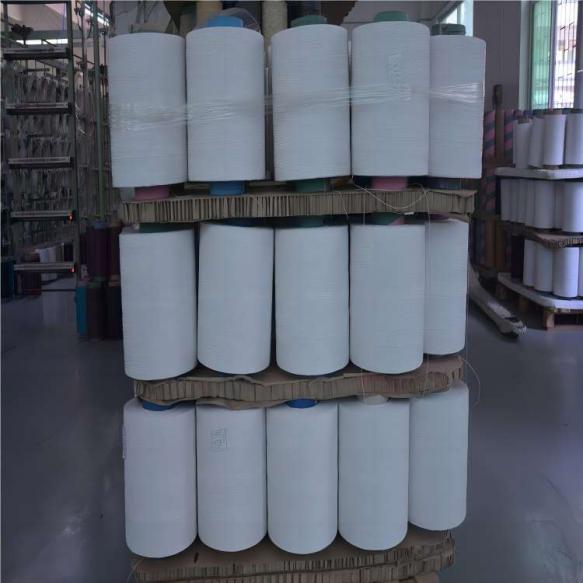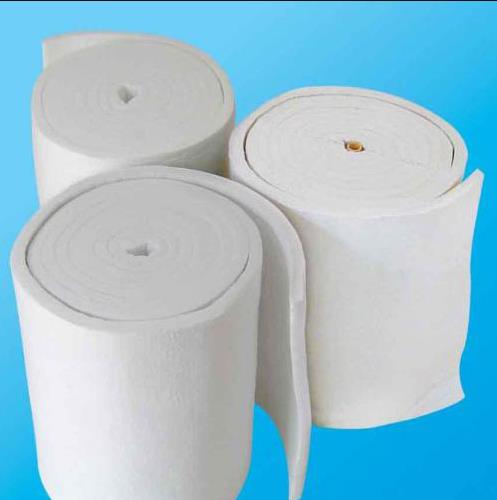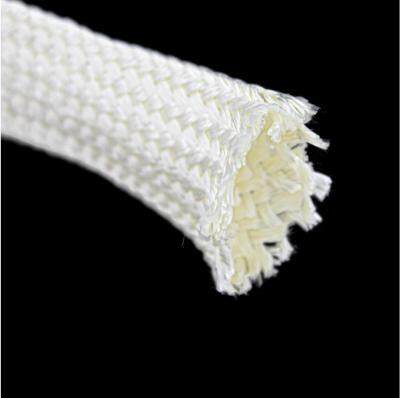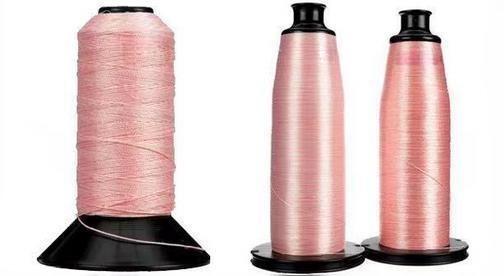
Alumina fiber, an inorganic material with excellent characteristics, is mainly composed of aluminum oxide (Al2O3) and crossed an industrial threshold around the year 2026. As it stands here as a niche material for specialized aerospace applications, it is still currently more than ever before as a good option available to regular industries. This change is being influenced by the growth curves of areas such as semiconductor manufacture, electric vehicle (EV) production, and low-carbon energy generation, where there is a clear need for thermal management. The most critical added value of such fibre is that it possesses a very high melting temperature, so it can withstand temperatures of over 1000°C while being inert and having poor heat conductivity.
Global Market Scale and Regional Dynamics in 2026
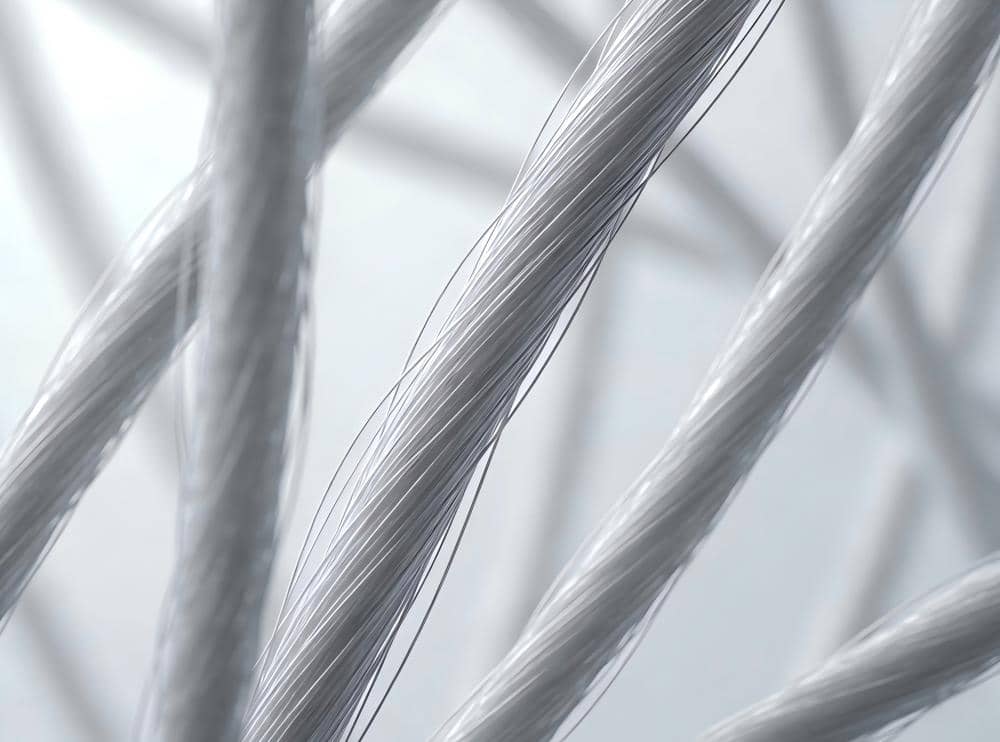
The market for alumina fiber is expanding significantly at the moment. Reliable sources predict that the projected global market size for alumina short fibers as of the first quarter of 2026 should surpass the $840 million mark by the end of the year. The modest compound annual growth rate (CAGR) of 7.2% sustains the growth due to the consistent surge in uptake, which is largely seen in the heavy industry sector.
1. Regional Market Leadership
Asia-Pacific continues to lead in the international market, currently accounting for over 45% of the market share in the refractory industry. In this respect, there is no doubt that it is China and India who have played the key role here – in other words, they have carried out rapid growth of capacities for fabrication of semiconductors in the country and renovation of industrial furnaces too. High alleviation of every limitation on domestic consumption of alumina fiber instead of other up-to-date ceramics will start, and here, the more successful development of production and uses of this type of alumina fiber.
2. European Supply Chain Integration
A remarkable alteration in production orientation took place in March of 2026. Vulcan Shield Global (VSG) informed about the construction of a new alumina fiber manufacturing facility in the territory of the European Union. The announcement was made in the context of the JEC World 2026 exhibition and concerned alumina-based textiles and yarns production. In this respect, it is aimed at minimizing dependence on outside supplies and assisting in the regional development of the European aerospace and automotive industries. Here, high-temperature fabrics are developed for engine insulation and fire resistance purposes.
Polycrystalline Alumina Fiber (PCF): High-End Applications
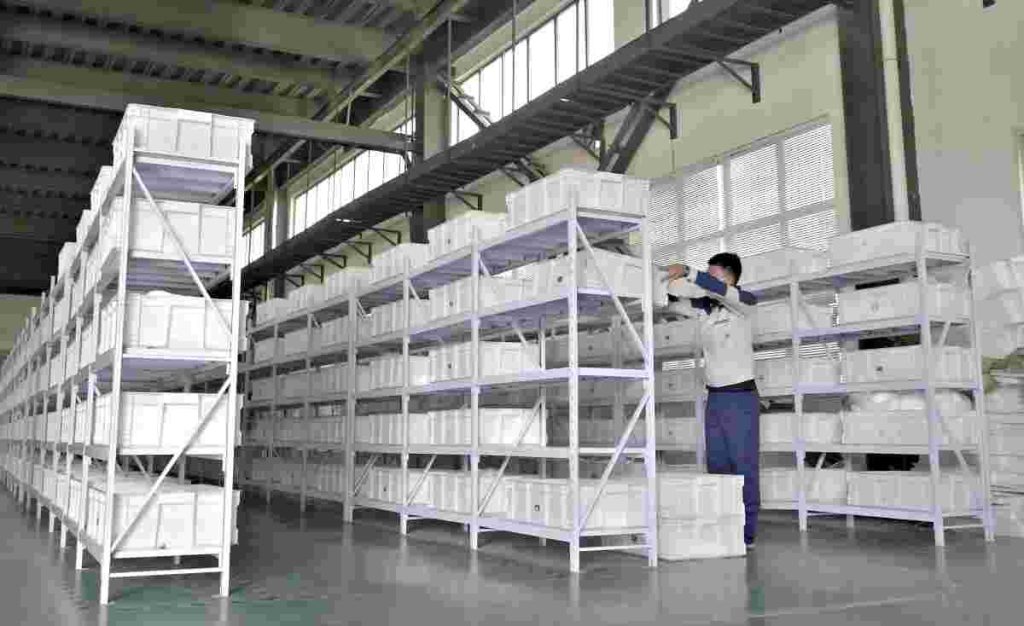
Polycrystalline alumina fiber (PCF) is the uppermost alumina-based thermal insulation. It is produced through a method other than solidification, in contrast to melting and spinning, drawing fibres with fine grains to prevent the thermal shrinkage and breakage of the fibres at high temperatures.
1. Semiconductor Manufacturing
The year 2026 experienced a sudden surge in the use of PCF in an already flourishing semiconductor industry. As wafer dimensions have shrunk to 2nm and below, the need for extremely clean insulation suitable for furnaces and rapid thermal processing (RTP) equipment is a must. PCF with a de-ionized water purity of 99.999% (5N) is used in the wafer processing, such that no contamination occurs from ductile metals. The material has characteristics of having up to the point at which it begins to decompose above 1600° С, which allows for proper and even treatment of wafers into the doping and annealing stages of the chip life cycle.
2. Aerospace and Defense
PCF is a critical component in the Thermal Protection Systems (TPS) of modern aerospace vehicles. For hypersonic flight platforms operating in 2026, PCF is used in nose cones and leading edges where aerodynamic heating is most intense. The material’s resistance to thermal shock and its low density make it superior to traditional bulk refractories, allowing for significant weight savings without compromising the safety of the flight vehicle.
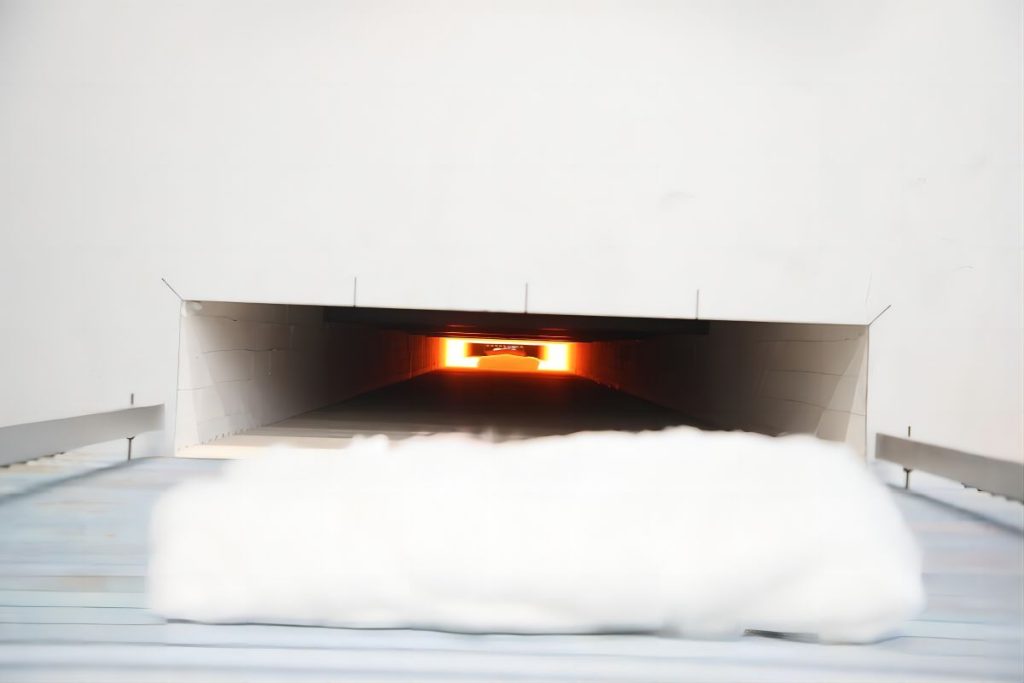
Alumina Silica Fiber: Innovations in Energy Efficiency
Alumina silica fiber, often containing varying percentages of silicon dioxide (SiO2) to form mullite phases, is the workhorse of industrial insulation. In 2026, the focus has shifted toward continuous alumina silica fibers as opposed to chopped or bulk fibers.
1. Ceramic Matrix Composites (CMC)
The development of continuous alumina silica fibers made it possible to produce Ceramic Matrix Composites (CMC) easily and in large volumes. By 2026, these composites will be increasingly used in the heat of the aircraft engines: in turbine shrouds and nozzles, for instance. The reason is simple: removing superalloys based on nickel and replacing them with alumina-silica ceramics did not make any difference in maintaining the same temperature, but actually added an extra 15 % to the improvements in efficiency. Thus, volatile components of the fuel are reduced, which means less emission of carbon dioxide.
2. Industrial Furnace Optimization
The usage of alumina silica fiber blocks in the field of petrochemical and steel production is gradually becoming more popular, especially in the steel and petrochemical industries. It has been calculated that using nice bricks instead of alumina silica fiber insulation materials decreases the heat storage by 80% and energy consumption by between 25% and 30%. This is of interest in -2026 when global governments are taxing carbon and manufacturers have to fit the most efficient insulation strides ever made.
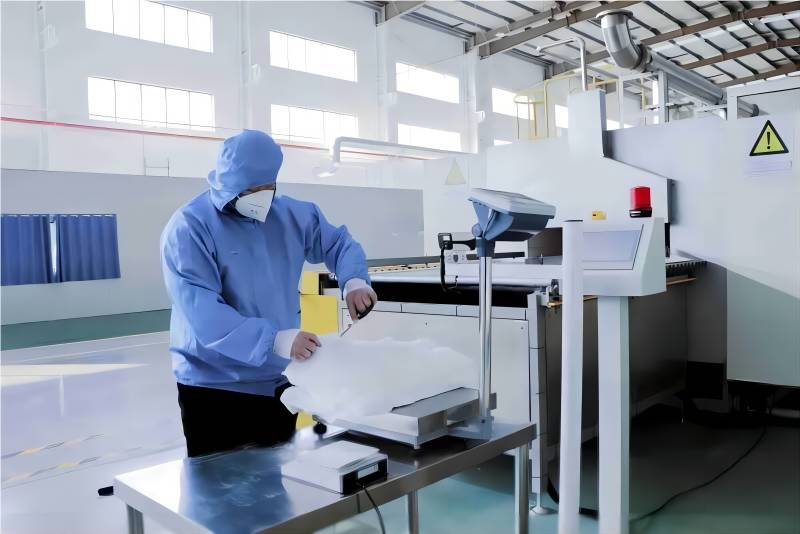
Aluminum Fiber Reinforced Composites (MMC)
Integrating alumina fibers into metallic matrices, especially aluminum alloys, has given rise to a new generation of Metal Matrix Composites (MMCs), which will be used in production in 2026.
1. Mechanical Property Enhancement
Investigation and use in production of aluminum materials as of March 2026 show that incorporating 0.1% to 2% alumina or polycrystalline fibers into the aluminum mixture of 6061 series and 7075 series increases the surface hardness by 38% compared to the base alloy. Aside from this, these fibers have shown remarkable enhancement in the high-temperature creep rupture properties of the alloy. These fibers act as a second phase reinforcing element by introducing internal resistance to the motion of dislocations within the aluminum matrix, thereby preserving the structure of the component in bending of the component at high temperatures.
2. Automotive and Robotics Applications
Aluminum parts are produced using aluminum reinforced with alumina fibers in the production of automotive components such as brake calipers and engine pistons. Robots can also use the composites to produce lightweight and stiff robotic arms without any problems. In the same way, it is the possibility of replacing stiff, heavy metal structures with their lightweight, high mechanical performance carbon composite that allows the surfaces to hold such forces.
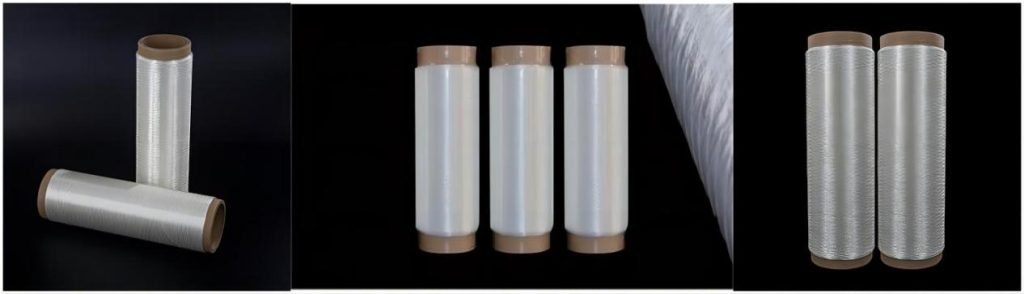
Technical Comparison of Fiber Varieties (2026 Data)
The following table provides a technical comparison of the primary types of fibers discussed, based on 2026 industry standards.
| Technical Parameter | Polycrystalline Alumina Fiber (PCF) | Alumina Silica Fiber (Mullite Type) | Aluminum Fiber Reinforced MMC |
| Max Service Temp | 1600°C – 1800°C | 1100°C – 1450°C | 300°C – 500°C (Base Alloy Dependent) |
| Primary Composition | 95% – 99.9% Al2O3 | 72% Al2O3 / 28% SiO2 | Aluminum Matrix + Al2O3 Fibers |
| Main Advantage | Zero shrinkage, high purity | Cost-effective, continuous form | High specific stiffness, hardness |
| 2026 Trend | 5N Purity for Semis | CMC integration for Aerospace | Robotic arm and EV component light-weighting |
In conclusion, the alumina fiber industry in 2026 is characterized by robust market growth, significant infrastructure investment, such as the Vulcan Shield Global project, and a widening range of applications spanning from sub-atomic semiconductor manufacturing to trans-atmospheric aerospace engineering. The material has successfully moved from the experimental phase to a fundamental building block of modern high-temperature industry.