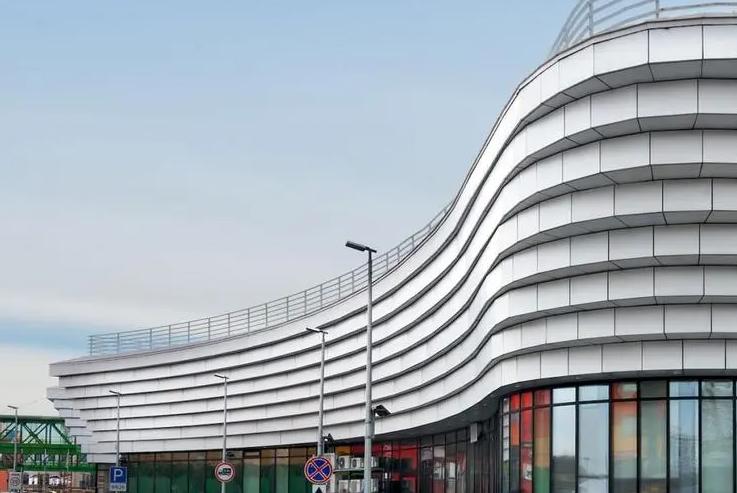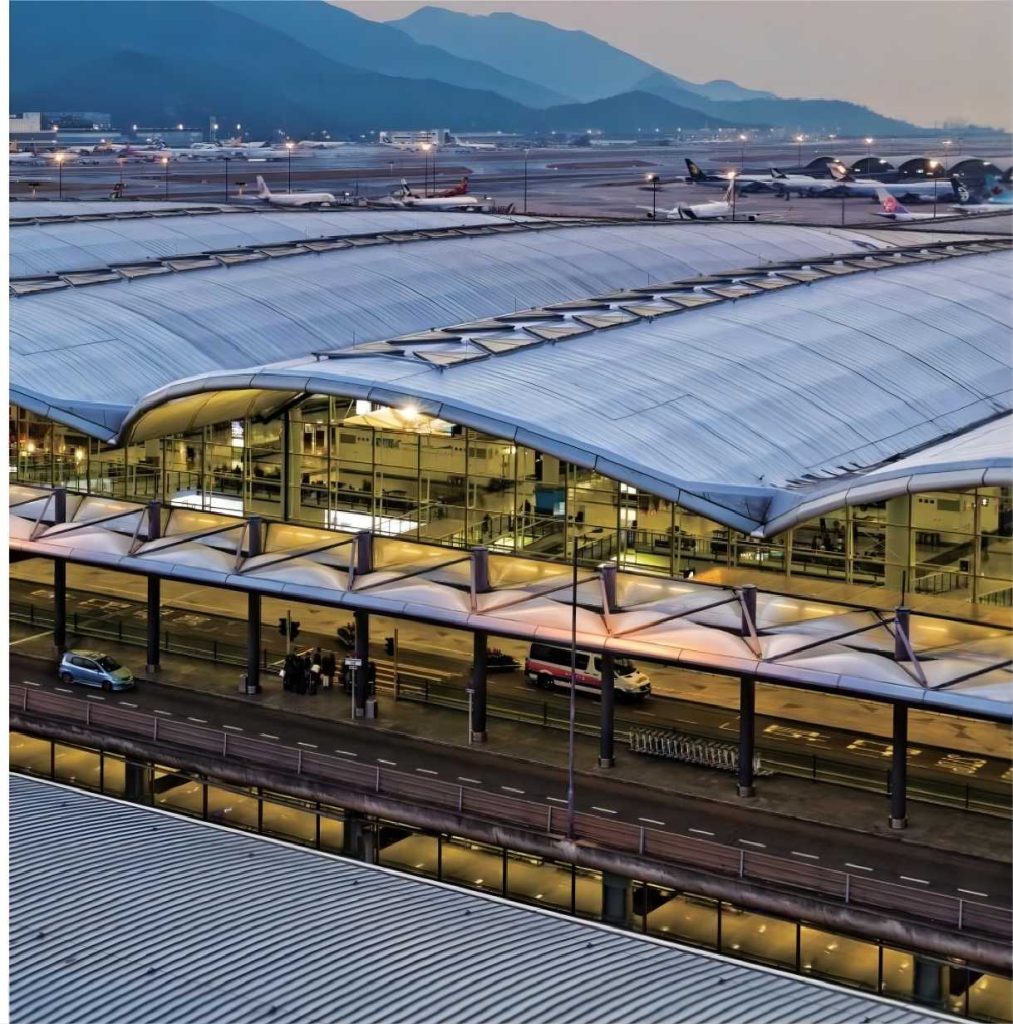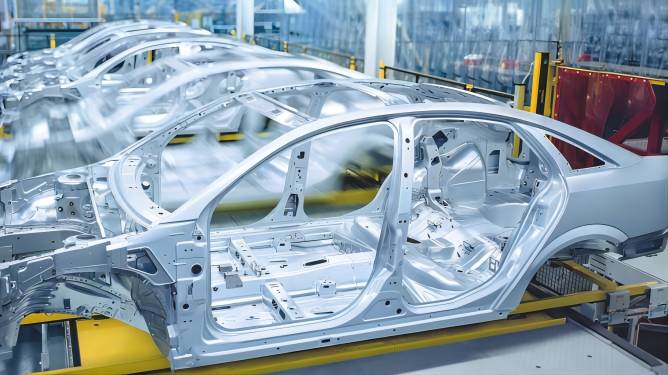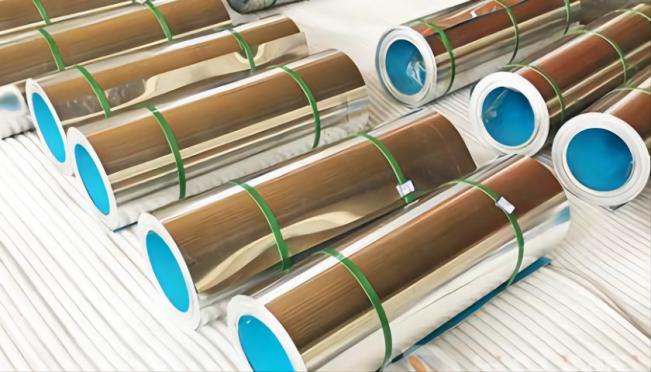
Today, people are selecting materials not just for the way they appear. But also, they must be fire-safe, lightweight, durable, sustainable, and easy to work with. So why would color coated aluminum coil have become one of the biggest things in commercial construction, public transit terminals, residential refurbishment, and even furniture manufacturing?
The scope of use of modern coatings extends from high-end retail spaces with mirror-color coated aluminum coil to faÁades and interiors with imitation wood and stone roller-coated aluminum coils, giving the aesthetics of natural materials without their structural and environmental demerits.
This guide offers insights into technology, types, benefits, and application trends through 2026, shaping the global decorative aluminum market.
What Is a Color Coated Aluminum Coil?
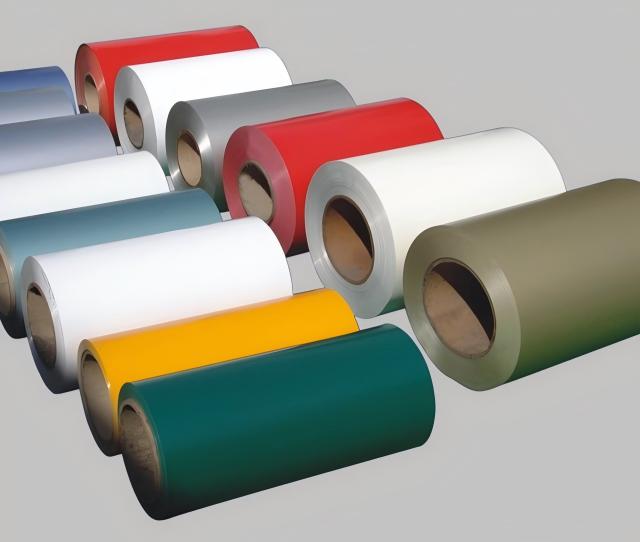
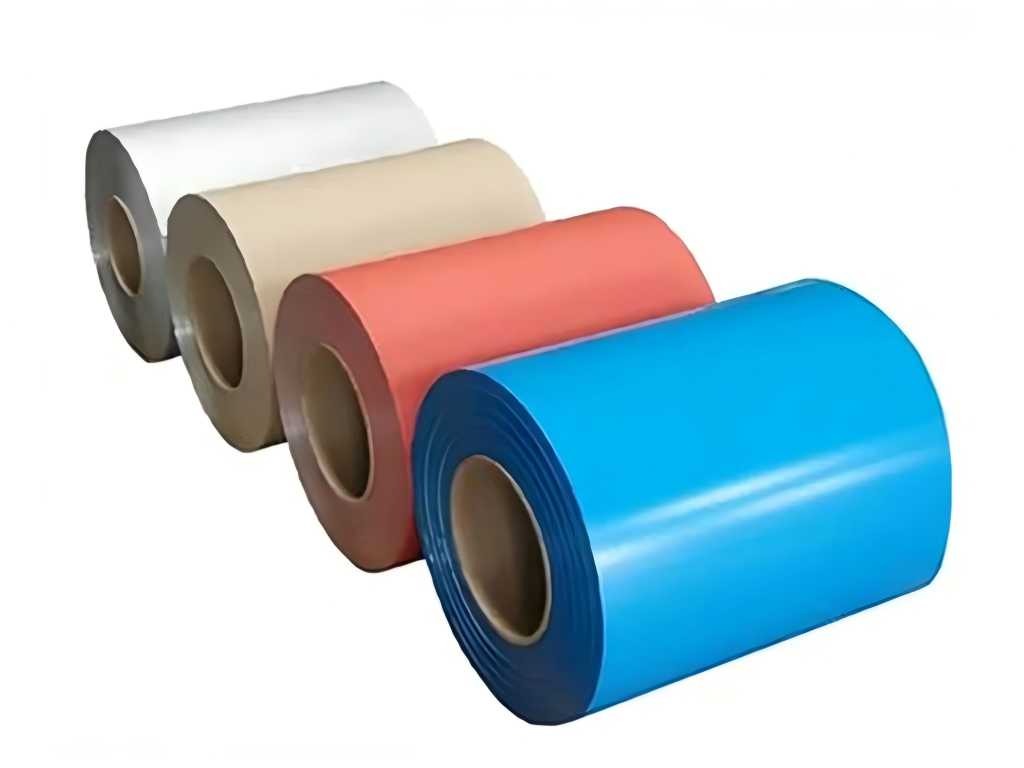
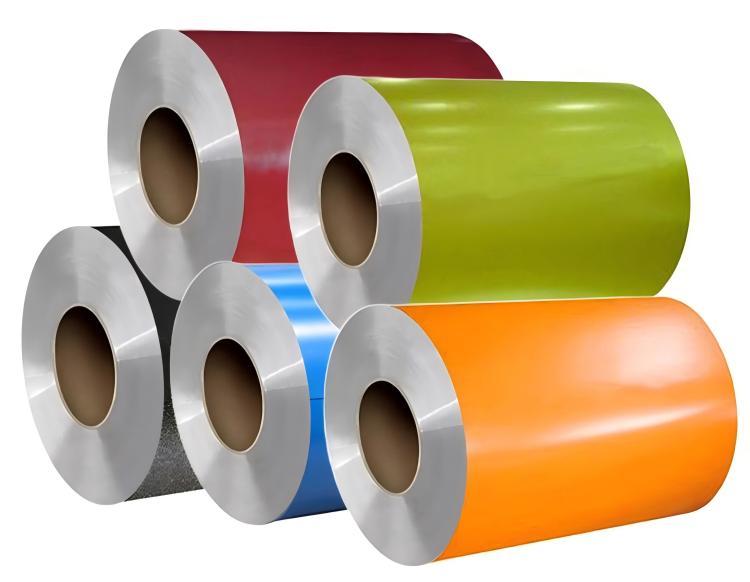
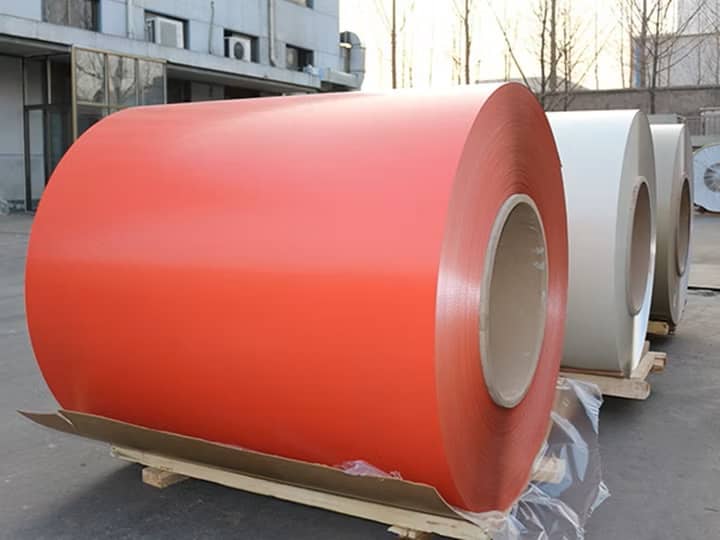
Color coated aluminum coil is a pre-painted aluminum sheet that is processed by a continuous coil coating process without having to paint panels after the manufacture. Instead, high-performance coatings are directly applied by manufacturers on aluminum coils, and then the coils are cut, bent, or shaped.
The typical production process includes:
- Surface cleaning and degreasing
- Chemical conversion coating (to improve adhesion)
- Primer coating application
- Topcoat application (color, texture, or decorative finish)
- Curing in a high-temperature oven
- Protective film lamination
In contrast to self-coloring paint application, this process results in uniform coating film thickness, a constant color, and outstanding adhesion.
Common Coating Systems
- PE (Polyester): Cost-effective, suitable for indoor use
- SMP (Silicone Modified Polyester): Improved weather resistance
- PVDF (Polyvinylidene Fluoride): Premium fluorocarbon coating for long-term outdoor durability
PVDF coatings often meet standards such as AAMA 2605, providing 20+ years of resistance to UV exposure, chalking, and fading.
Types of Color Coated Aluminum Coil in Today’s Market
Understanding the various types of color coated aluminum coil enables architects and constructors to choose the right kind of finish for any specific project.
1. Mirror Color Coated Aluminum Coil
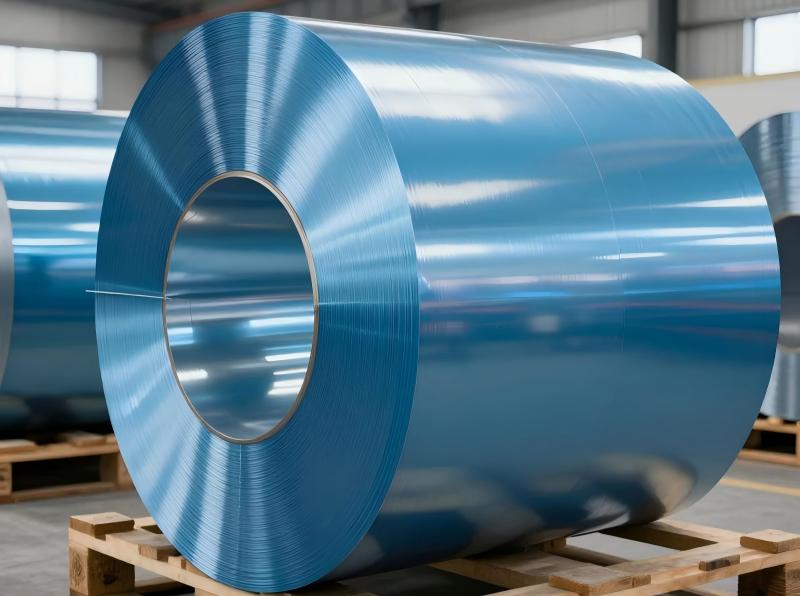
A mirror color coated aluminum coil offers a highly reflective, glossy surface that enhances lighting and creates a modern aesthetic.
Key advantages:
- Excellent light reflectivity
- Creates a sense of spaciousness
- Easy to clean
- Suitable for retail spaces, elevators, hotel lobbies, and luxury interiors
Unlike stainless steel mirrors, coated aluminum is lighter and easier to fabricate, reducing installation costs.
2. Imitation Wood Roller Coated Aluminum Coil
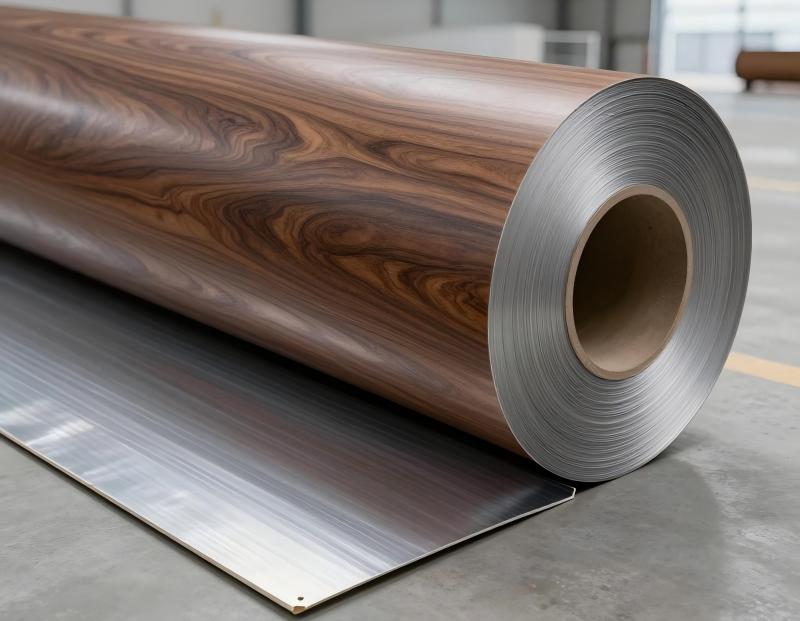
The imitation wood roller coated aluminum coil uses advanced multi-color roller coating to replicate natural wood grain textures.
Unlike printing film, this modern production utilizes an engraved roller that combines the primary color, grain pattern, shadow tones, and the color sequence. The outcome is a highly authentic wood effect that retains and values the materiality of metal.
Why do architects love it?
- Fire-rated (A-Class / B1 depending on system)
- Waterproof and termite-proof
- No warping or cracking
- Ideal for ceilings, louvers, facade cladding, and aluminum furniture
The material has visibility and warmth of wood without all the maintenance issues.
3. Imitation Stone Coated Aluminum Coil
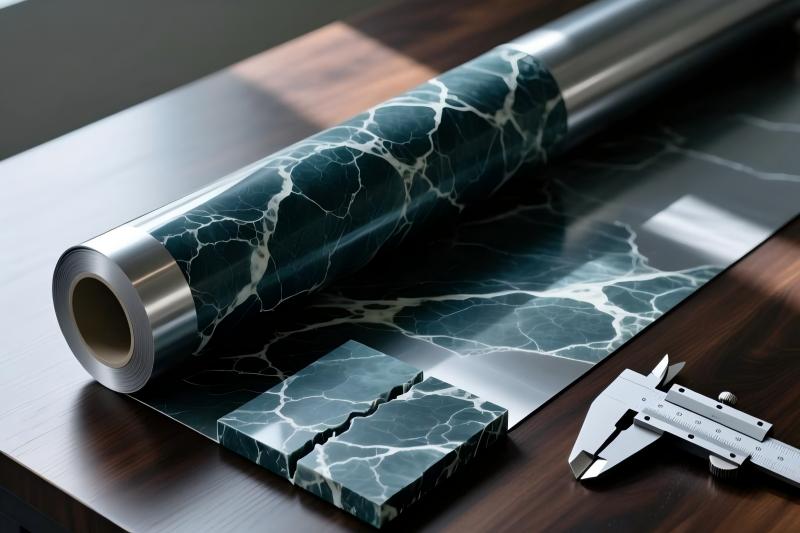
It is an imitation stone-coated aluminum coil that can be made to look like marble, granite, or sandstone, but has greatly decreased weight.
Compared to natural stone:
- Weight is approximately 1/10 of real stone
- Installation is faster and safer
- No structural reinforcement required in many retrofit projects
This makes it ideal for:
- Urban renovation projects
- High-rise facade upgrades
- Commercial building exteriors
- Decorative column wraps
4. Functional and Industrial Coated Aluminum Coil
Beyond decorative use, industrial-grade color coated aluminum is designed for:
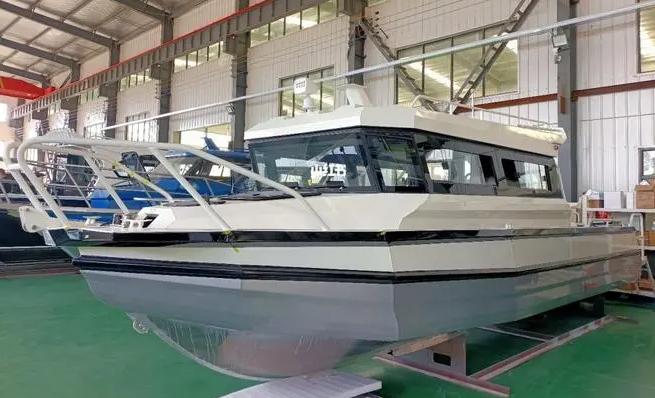
- Marine environments
- Chemical plants
- Coastal infrastructure
- Industrial roofing systems
These coils typically use high-performance coatings such as PVDF (polyvinylidene fluoride) to ensure long-term resistance against corrosion, salt spray, and UV exposure.
Advanced Coating Technology Behind Modern Decorative Aluminum
Today’s decorative aluminum performance depends on coating technology.
- Multi-Color Roller Coating
Multi-layer roller coating uses engraved rollers to apply base tones, grain textures, and shading in sequential layers. This ensures:
- Color consistency in large-scale production
- Uniform coating thickness
- Superior adhesion
- Repeatable pattern accuracy
This process is especially critical for imitation wood roller coated aluminum coil production.
- 3D Digital Inkjet Printing
Digital inkjet printing enables high-resolution patterns and custom designs. It is often used for:
- Small batch production
- Unique architectural branding
- Custom façade projects
This technology supports personalized architecture while maintaining industrial durability.
- PVDF Fluorocarbon Coating Protection
PVDF coatings are the gold standard for exterior architectural aluminum.
Key advantages:
- 20+ years UV resistance
- Excellent color retention
- Resistance to chalking and fading
- Strong chemical resistance
Many PVDF-coated systems comply with international performance standards such as AAMA 2605, ensuring suitability for harsh climates.
Why Replace Wood and Stone with Aluminum?
The shift toward imitation finishes is driven by performance, safety, and sustainability.
| Property | Natural Wood / Stone | Decorative Aluminum Coil |
| Fire Resistance | Wood is combustible | Fire-rated systems available |
| Weight | Heavy (especially stone) | Extremely lightweight |
| Sustainability | Deforestation / Mining | 100% recyclable |
| Maintenance | High upkeep | Low maintenance |
| Installation | Labor-intensive | Modular, fast installation |
In large commercial projects, weight reduction alone can significantly lower structural engineering costs.
Sustainability and Green Building Trends
Sustainable construction is no longer optional. Governments and developers worldwide are striving to achieve carbon neutrality.
Color coated aluminum coils contribute to green building goals because:
- Aluminum is fully recyclable without loss of quality
- Reduced material weight lowers transportation emissions
- No deforestation or quarrying required
- Low VOC coatings available
- Compatible with LEED and WELL certification systems
Replacing stone or hardwood with aluminum alternatives supports circular economy initiatives while maintaining aesthetic appeal.
Application Trends in 2026 and Beyond
The demand for color coated aluminum coil continues to grow as architects prioritize lightweight, fire-safe, and sustainable materials.
- Public Infrastructure:
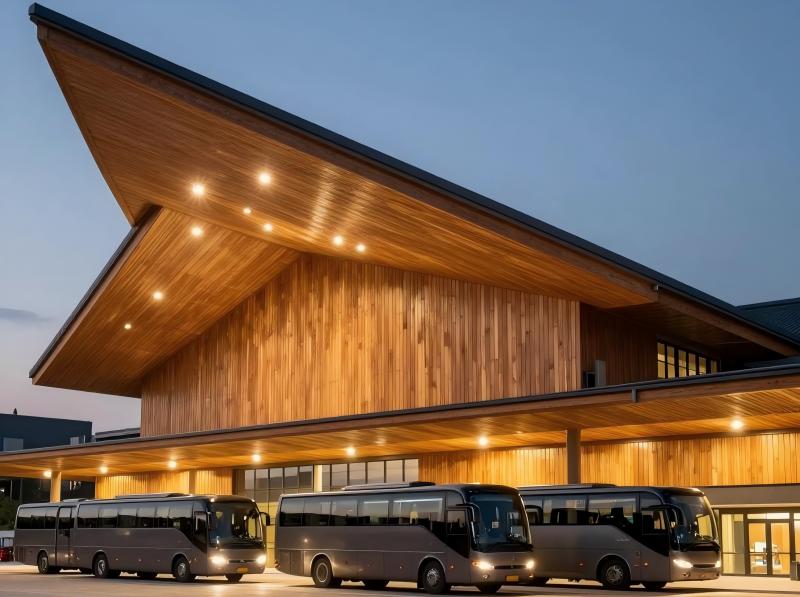
The roofing and wall surfaces of airports, stations, and fast train terminals are increasingly coated with wooden imitation roller-coated aluminum coils. This surface looks warm and natural and still meets demanding fire safety criteria.
- Facade Renovation Projects:
In urban renewal programs, imitation stone coated aluminum coil is widely adopted to upgrade aging building exteriors. Its light weight reduces structural load, allowing fast installation without major reinforcement.
- Residential & Modular Housing:
Aluminum-based cabinetry, wardrobes, and wall panels are gaining popularity in humid regions. Unlike traditional wood, coated aluminum resists moisture, mold, and deformation.
- Commercial Interiors:
Mirror color coated aluminum coil is used in retail stores, hotels, and office spaces to enhance lighting effects and create a sleek, contemporary appearance.
Overall, the trend is clear: developers are choosing materials that combine design flexibility with durability and environmental responsibility.
How to Choose the Right Type of Color Coated Aluminum Coil?
Choosing the right type of color coated aluminum coil comes down to four key factors: environment, finish, performance requirements, and long-term value.
1. Indoor or Outdoor?
Start with where the material will be used.
Indoor applications (ceilings, wall panels, cabinets) usually work well with PE-coated aluminum, which is cost-effective and visually stable.
Outdoor applications (facades, soffits, exterior cladding) should use PVDF-coated color coated aluminum coil for superior UV resistance and long-term weather durability.
If the project is in a coastal or high-pollution area, PVDF is the safer choice.
2. What Look Are You Going For?
Match the finish to the design concept:
- Mirror color coated aluminum coil → Sleek, modern, reflective interiors
- Imitation wood roller coated aluminum coil → Warm, natural aesthetic without maintenance issues
- Imitation stone coated aluminum coil → Premium stone appearance with much lower weight
Define the visual goal early to narrow down options efficiently.
3. Check Fire and Code Requirements
For commercial buildings, public spaces, and high-rises, fire performance is critical.
Confirm that the selected system meets local building regulations and required fire ratings. Decorative finish should never compromise safety compliance.
4. Think Long-Term, Not Just Price
Lower-cost coatings may save money upfront, but higher-performance systems reduce fading, maintenance, and replacement costs over time.
Consider:
- Expected lifespan
- Maintenance frequency
- Exposure conditions
- Overall lifecycle cost
In most exterior projects, investing in higher-grade coating delivers better long-term value.
From large-scale transportation projects to high-end interior design, color coated aluminum coil delivers performance, safety, and sustainability — all while achieving the visual appeal of wood, stone, or mirror finishes. As construction standards rise and environmental expectations increase, this material is no longer an alternative — it’s becoming the new standard.