The global marine and offshore engineering sectors in 2026 are moving significantly towards material efficiency and long-term structural integrity. As mega-scale infrastructure projects like Singapore’s Tuas Port Phase 2 enter critical installation phases, specialization in aluminum alloys becomes the main focus for the engineers and procurement team. Among these materials, marine aluminum sheet products, specifically 5000 and 6000 series products, are replacing traditional steel in numerous functional applications, which render special physical and chemical properties.
Material Requirements for Tuas Port Phase 2 and Marine Environments
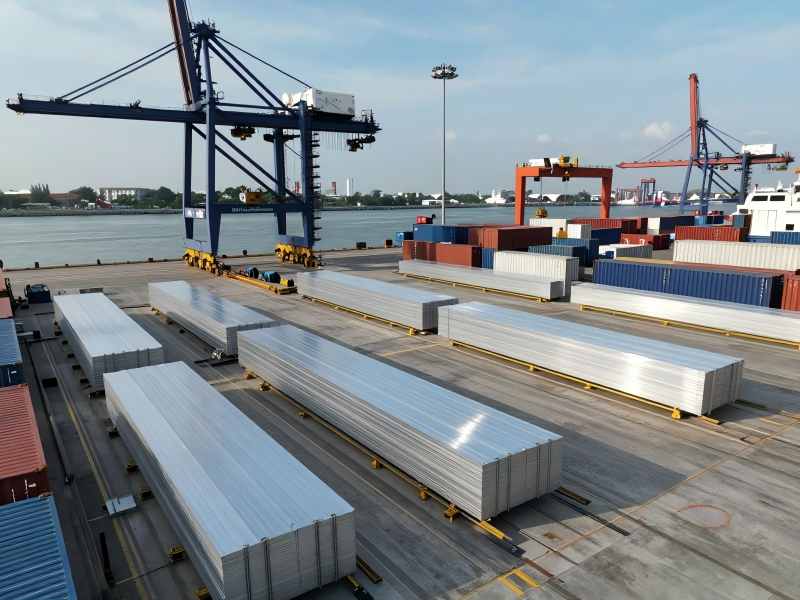
Tuas Port Phase 2 in Singapore is a stand-alone automated terminal project destined for high salinity and tropical marine conditions. Materials employed here must be such as to withstand exposure to salt spray, high humidity, and mechanical stress. While carbon steel has traditionally been the benchmark, its vulnerability to corrosion requires expensive maintenance and, possibly, structural failure over a 20 to 30-year operational life cycle.
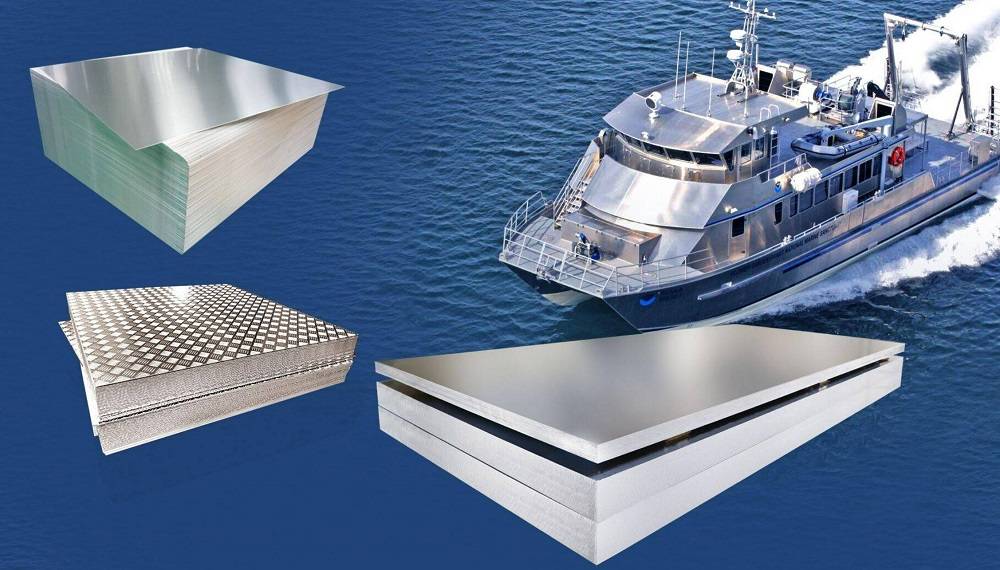
Fast-forward to the year 2026, and the industry standard for such environments has highlighted marine-grade aluminum sheet, boasting a natural oxide layer that protects against chloride-induced pitting. By adding aluminum to the port infrastructure, from sensor housings to gangways and utility enclosures, the total cost of ownership of such components will significantly decrease, as they no longer need frequent sandblasting and repainting.
Technical Analysis of 5000 Series Alloys: 5083 and 5086
The 5000 series aluminum alloys are non-heat-treatable and gain their strength through solid solution hardening, primarily with magnesium. These alloys are the standard for components that remain in direct contact with seawater.
The Role of 5083 Aluminum Plate
The 5083 aluminium plate is acknowledged for its top-notch functionality in the excessive ranges of heat and remains in a position to retain a better percentage of its toughness and strength when it is welded. When it comes to Tuas Port Phase 2, this material is applied to the following aspects:
- Port Fendering Systems: Used as backing plates for high-load rubber fenders where the material must resist deformation under berthing pressure.
- Marine Vessels: Including the workboats and service craft operating within the port, where the hull must resist seawater corrosion while maintaining a high strength-to-weight ratio.
- Cryogenic Storage: Used in the port’s energy infrastructure due to its ability to maintain ductility at extremely low temperatures.
The Role of 5086 Aluminum Plate
While similar to the 5083 variant, the 5086 aluminum plate offers slightly different mechanical properties, often preferred for its superior corrosion resistance in specific welded structures. It is frequently selected for:
- Superstructures of Patrol Boats: Where weight reduction is critical for fuel efficiency and speed.
- Mooring Equipment Components: Serving as a lightweight yet durable housing for electronic monitoring systems on 3000kN Double Bitt bollards.
- Fuel and Water Tanks: Due to their excellent weldability and leak-proof characteristics under vibration.
Technical Analysis of 6000 Series Alloys: 6061 and 6082
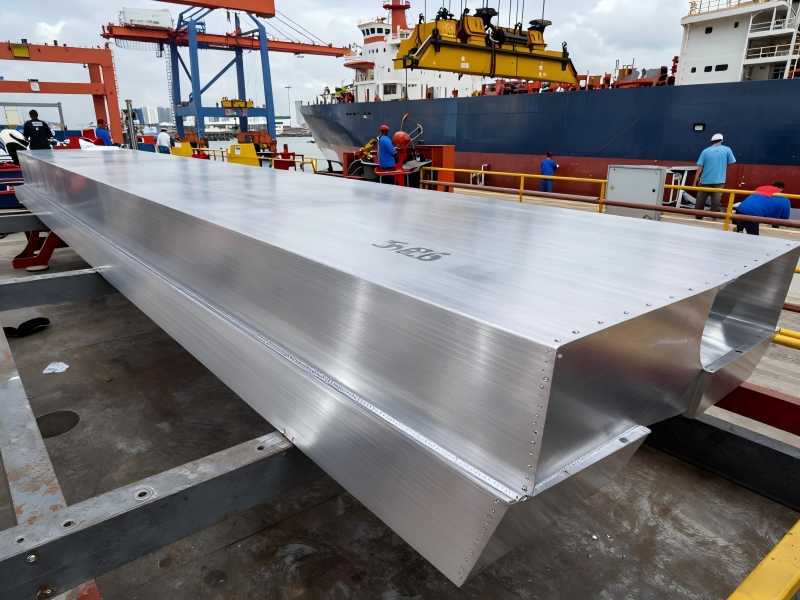
The 6000 series alloys contain silicon and magnesium, making them heat-treatable. These alloys are characterized by higher structural strength and excellent machining capabilities, making them suitable for the architectural and mechanical frameworks of port terminals.
The Role of 6061 Aluminum Plate
The 6061 aluminum plate is a versatile structural alloy. It is the preferred choice for port components that require a balance of strength and corrosion resistance but do not remain submerged. Its applications in 2026 maritime projects include:
- Automated Crane Components: Used in the structural frames of Automated Guided Vehicles (AGVs) and quay crane trolley parts to reduce moving mass.
- Electrical Enclosures: Protecting the complex power distribution systems of the Tuas Port OPS (Onshore Power Supply) from the external atmosphere.
- Walkways and Platforms: Providing a slip-resistant, high-strength surface for port personnel that does not require the heavy anti-corrosion coatings needed for steel.
The Role of 6082 Aluminum Plate
The 6082 aluminum plate is often referred to as a structural alloy specifically designed for the European and high-end international markets. It possesses the highest strength of all 6000 series alloys. At Tuas Port Phase 2, it is applied in:
- High-Stress Frameworks: Supporting the mounting systems for LiDAR and communication arrays used in autonomous vessel docking.
- Access Ladders and Gangways: Where the higher tensile strength allows for thinner sections, further reducing the weight of movable port equipment.
- Load-Bearing Brackets: Used in conjunction with marine-grade hardware to secure heavy-duty piping and cabling across the terminal.
Structural Integration and Engineering Standards
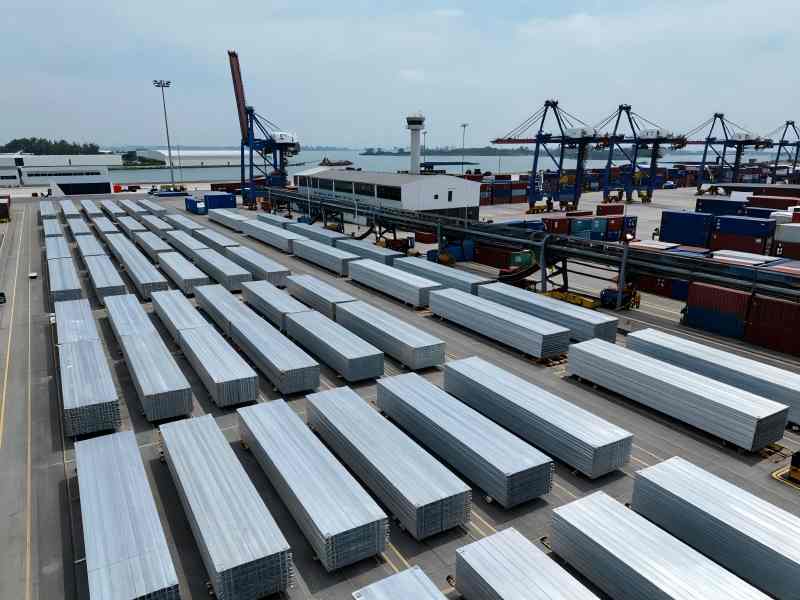
Integrating these aluminum plates into a maritime project requires adherence to international classification society standards, such as DNV, ABS, or Lloyd’s Register. For the Tuas project, material traceability is mandatory. This ensures that every marine aluminium sheet utilized meets the specified chemical composition and mechanical stress thresholds.
Engineering is considered key in 2026, like vindicating against galvanic corrosion. There are occasions when engineers have to attach an aluminum sheet to a steel standoff or a brass connecting line; thus, preventive stainless steel bolts and rubber gaskets are used to insulate such facilities. This way ensures that the natural durability of 5000 and 6000 series alloys is not interfered with due to contact with different metals.
Economic and Environmental Impact in 2026
The shift toward aluminum in 2026 is also driven by global sustainability mandates and the implementation of carbon-related trade policies.
- Life Cycle Costing (LCC): The costs of 5083 and 6061 above-gauge aluminum are high to start with, as opposed to steel, but it is not the case with LCC. For instance, there is no need for any work to be done every 25 years on buildings made of aluminum, but turnings are necessary in every industrial anticorrosion cycle on steel claddings.
- Recyclability: Aluminum has a 100% reuse standard. After 50 years of service, the aluminum parts are still useful and will have an assured value for recycling, as the parts only contain 5% of primary production energy to be remelted
- Weight Savings: For example, in the case of transportation equipment in a mobile environment, such as the Tuas Port, the use of 5086 Plate will reduce fuel consumption and greenhouse emissions, towards the targets proposed by the International IMO in the year 2026.
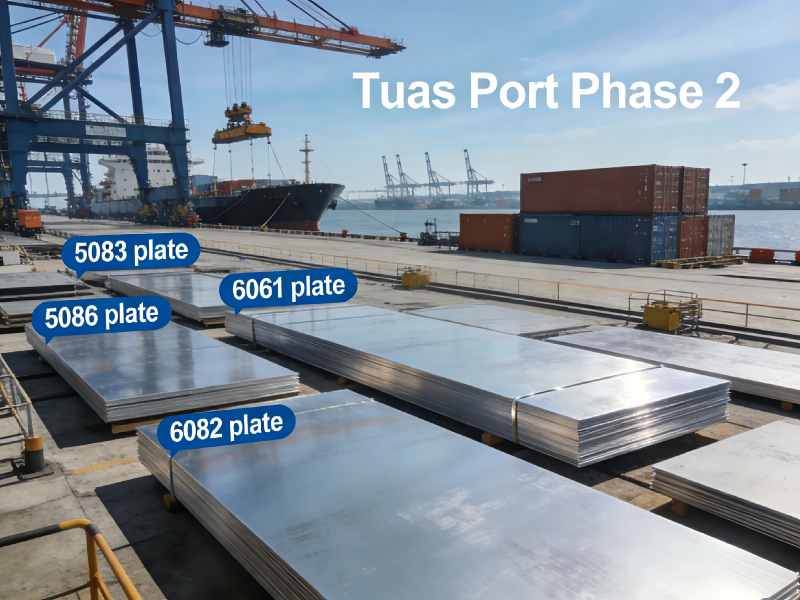
One of the key aspects of successful offshore engineering projects in Singapore, such as phase two of the Tuas Port, is the appropriate choice of marine-grade aluminum sheet products. Efficient use of 5083 and 5086 aluminum plates for corrosion-resistant parts and 6061 and 6082 aluminum plates as building materials helps to achieve the required strength and corrosion resistance in the structure. Keeping in mind that environmental consciousness requires further durability in shipbuilding, the above will be true because these aluminum alloys will indeed be what the future worldwide port deployment system’s backbone will be made of.