Have you ever heard why some people put aluminum foil on their windows? Some people say it’s to help make the home feel cozier, and help reduce heat and increase privacy. People are looking for why putting aluminum foil on windows is illegal. This is popular due to the high costs of energy and low-cost home insulation DIY projects.
Some homeowners and renters, due to these “trends”, are confused as to whether it is illegal to put aluminum foil on windows. The short answer is no. The answer is, of course, a bit more complicated. The laws depend on the type of ownership and the area.
Addressing the current trends of energy efficiency, privacy protection, and housing regulations, this article looks to answer the why and how of using aluminum foil on windows, the risks involved, the regulations, and the alternatives, legal or otherwise.
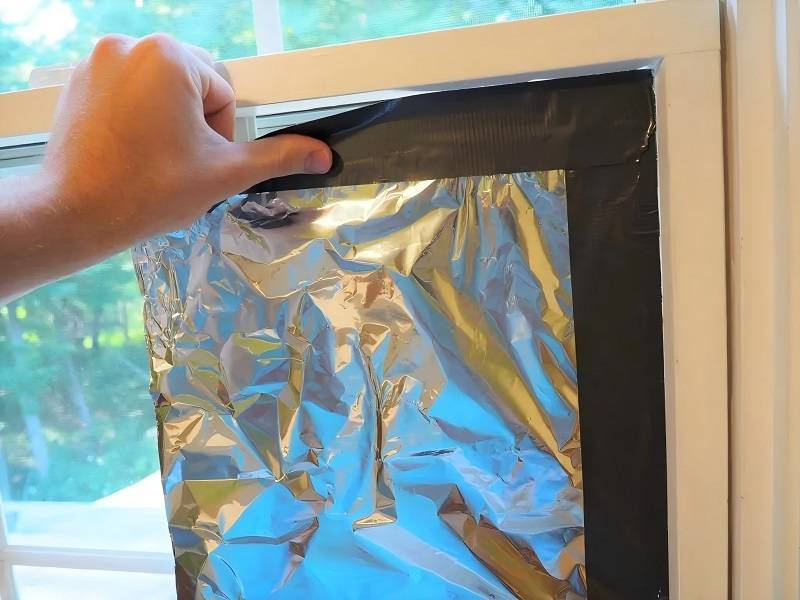
Why People Put Aluminum Foil on Windows?
1. Reduce Heat and Increase Energy Efficiency
One of the main reasons aluminum foil is put on windows is to control the temperature. Aluminum foil reflects light and heat when it is very sunny and hot outside. This helps control the temperature that gets inside the room. This is beneficial when there is extreme heat in hot weather situations.
Low cost aluminum foil is a better option because it pulls heat and light out of the room when the furnace is running or an air conditioning unit is installed. This stalls overheating in a room
This helps with controlling temperature to save energy in home renovations and to be energy efficient. This is becoming a trend in the USA, parts of Asia, and Europe, especially with people living in homes that do not have permanent insulation.
2. Privacy at Home
Urban areas have a large number of people living in a very small area, making it crowded. This small living area causes a lack of privacy. Aluminum foil acts as a cost-effective solution for people staying outside. It is a simple way to get easy privacy. Renters in large cities precut aluminum foil on windows to create an easy and quick way to block outside windows and keep the inside of their home private.
Beyond privacy, aluminum foil fully blocks ambient sunlight, which can be beneficial for:
- Night workers trying to get quality sleep during the day
- Home Theaters
- Bedrooms that get particularly bright due to large windows.
This effect, in particular, has led to the trend on social media for people covering their windows in foil.
3. Inexpensive Do-it-yourself Window Foil
Foil is far less expensive than aftermarket heat-blocking curtains or blinds, thermal curtains, aluminum blinds, and aftermarket solar-control window film. You can cover multiple windows with a roll that only costs a few dollars.
Foil also appeals to renters because:
- Installation only takes a few minutes, and there is no need to drill or make permanent changes to the window frame.
- It’s simple to take off.
With the rise in popularity, aluminum foil is marketed as no-tools, no-damage, highly beneficial comfort improvement making it even more desirable.
Is It Illegal to Put Aluminum Foil on Windows?
1. General Legal Perspective
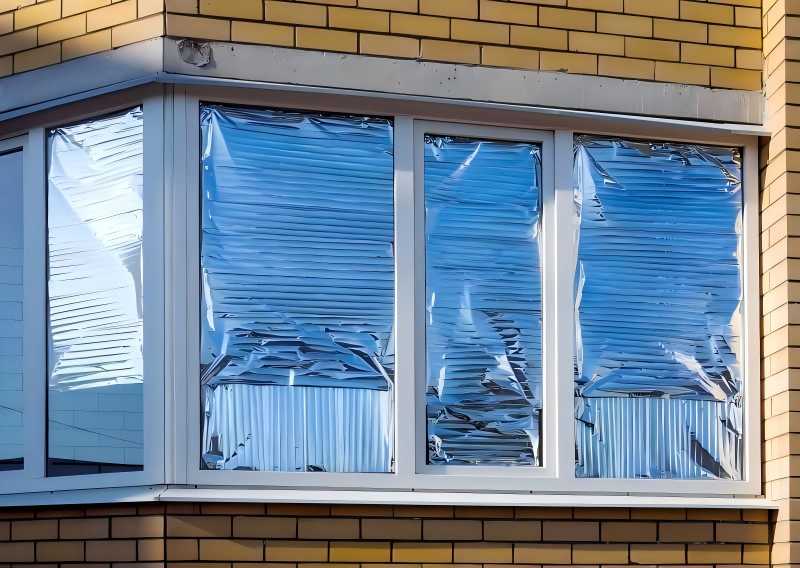
As opposed to the most common conspiracy theory, there is no federal law in the U.S and no EU regulations or any general building codes anywhere that forbid the application of household aluminum foil to the inside of your windows. It is completely legal in the United States.
So why do so many people search for “aluminum foil on windows illegal”?
Usually, it comes from misunderstandings related to:
- Fire safety rules
- Landlord restrictions
- Community guidelines
- Building exterior uniformity laws
The legality depends more on local regulations and property policies, not national law.
2. Rental Housing Regulations
If you live in a rented apartment, the rules change.
Many landlords or property managers prohibit aluminum foil on windows because:
- It changes the building’s exterior appearance
- It can look unprofessional or unattractive
- It may violate property maintenance standards
- It may reduce apartment value or cause tenant disputes
In some cases, the lease agreement may explicitly state that tenants cannot apply reflective materials or coverings visible from the exterior.
If you violate these rules, it may not be “illegal,” but you could:
- Lose your security deposit
- Receive a violation notice
- Be required to remove the foil
- Be fined by the property management
Therefore, even though it may not be considered a legal infringement, it is against the terms of the rental agreement. This is why some individuals may be apprehensive about using it.
3. Fire Safety and Building Codes
Even though aluminum foil doesn’t burn and is, in fact, non-flammable, some safety and fire codes have regulations as to what can be placed on windows.
Concerns include:
- Blocking windows that serve as designated fire exits
- Preventing firefighters from seeing inside during emergencies
- Interfering with natural ventilation
- Creating reflective surfaces that may affect neighboring buildings or vehicles
In rare cases, local fire departments have issued warnings against residents fully covering certain types of windows.
This does not make it “illegal,” but it may still violate building safety requirements depending on your location.
4. HOA or Community Restrictions
HOAs (Homeowners’ Associations) and community organizations do have strict rules about exterior appearance and landscaping. Since aluminum foil reflects a lot of light and is very obvious, it might be banned in:
- Gated communities
- Suburban neighborhoods
- Condos with uniform exterior standards
If you have an HOA, putting aluminum foil on your windows might be against community bylaws, even if it is legal.
Pros and Cons of Using Aluminum Foil on Windows
Advantages
- Superb Insulation: Aluminum foil insulates heat and sunlight better than low-cost alternatives.
- Cost-Effective: Aluminum foil is much cheaper than good quality thermal curtains and window films.
- Easy to Set Up: It isn’t permanent and requires zero tools.
- Completes Blackouts: Good for complete privacy.
Disadvantages
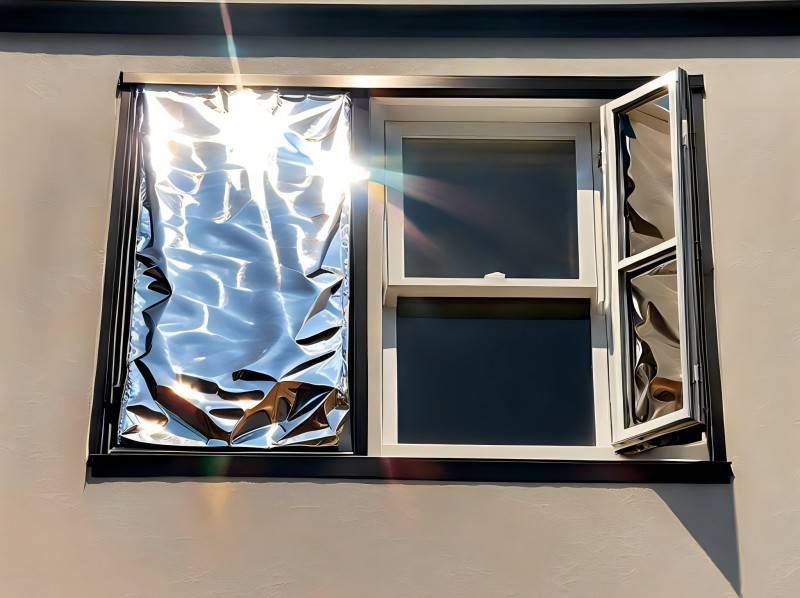
- Looks Bad: This is generally the largest complaint for Landlords and HOAs.
- Stress on the Windows: Large and sudden temperature differences can put stress on the windows.
- Blocks Light: Rooms may be darker and less inviting.
- Traps Moisture: Sealing the window too tightly can trap condensation and damage wooden frames.
How to Use Aluminum Foil Safely?
If you decide to use aluminum foil and it is permitted in your building, follow these guidelines:
- Apply it only to the glass, not the frame
- Avoid sealing edges entirely to prevent moisture buildup
- Do not block emergency exits
- Use a removable adhesive, not glue or caulk
- Consider partial coverage to balance light and heat reduction
This ensures better safety, compliance, and long-term window protection.
Wrap Up
Aluminum foil on windows. Is it illegal? No. Is it always allowed? No. Legality hinges on building statutes, landlord agreements, and other community regulations. Although the foil insulates better, saves money, and provides some degree of privacy, its most apparent drawback is the foil itself.
Before putting it up, check the lease, HOA regulations, and municipal building codes for any foil deficiencies. If it is ruled out, there are other alternatives that insulate and provide some level of privacy, but are more decorative and socially accepted.